Heavy Rains and Winds Exceeding 100 km/h Impact 41 Municipalities in Rio Grande do Sul, Displacing 19
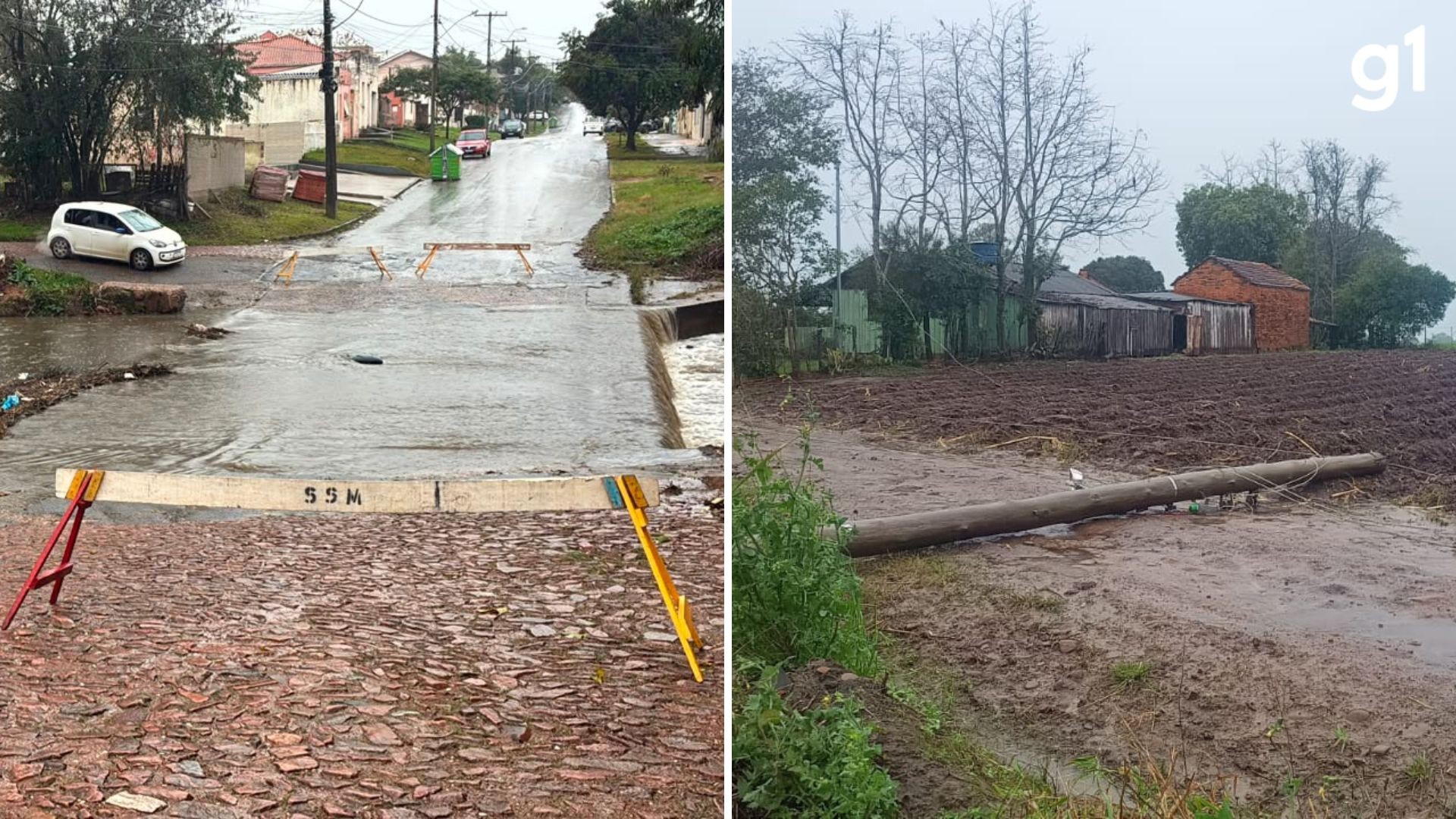
The state of Rio Grande do Sul in Brazil experienced severe weather over the weekend, with heavy rains and strong winds affecting 41 municipalities by Sunday, October 19th. Nineteen people have been displaced due to the adverse conditions. The most significant rainfall was recorded in Quaraí, with 147 millimeters, followed by Alegrete (139 mm), São Gabriel (112 mm), Santana da Boa Vista (108 mm), Rosário do Sul (102 mm), and Jaguari (102 mm). Caraá recorded the highest wind speed at 113.8 km/h, while other areas like Santa Vitória do Palmar (97.9 km/h), Panambi (95.8 km/h), and Sinimbu (94.6 km/h) also faced strong gusts. The 19 displaced individuals are residents of Alegrete (5), Santa Maria (4), Dona Francisca (3), São Borja (3), Cerro Branco (2), and Vale do Sol (2). In Candelária, winds of 75.6 km/h caused eight homes to lose parts of their roofs and downed power poles, blocking streets and roads until the Fire Department could clear energized wires. Alegrete reported roof damage to 10 residences due to winds of 77.2 km/h. The ERS-507 highway's Ponte do Capivari was completely blocked as the diversion route was submerged. In Bagé, two urban bridges were closed due to rising water levels, with one bridge nearly covered by water and another impassable. The Carlos Gomes Elementary School in Marques de Souza suffered partial roof damage, and the local government provided tarps as a temporary measure against further rain.
This event highlights the increasing vulnerability of regional infrastructure in Rio Grande do Sul to extreme weather phenomena, likely exacerbated by broader climate shifts. The direct impacts, such as damaged homes, blocked roads, and power outages, demonstrate the immediate costs of such events. Looking ahead, the repeated exposure to high winds and heavy rainfall suggests a need for adaptive urban planning and infrastructure resilience strategies. This includes reviewing building codes, improving drainage systems, and enhancing emergency response protocols to mitigate future disruptions and protect communities from escalating climate-related risks. The economic and social toll underscores the importance of proactive investment in climate adaptation measures to safeguard public welfare and minimize long-term recovery expenses.
AI-generated to prompt reflection — not editorial opinion, not advice, not a statement of fact. How this works.