Heavy Rains Cause Flooding and Damage Across Santa Catarina, Brazil
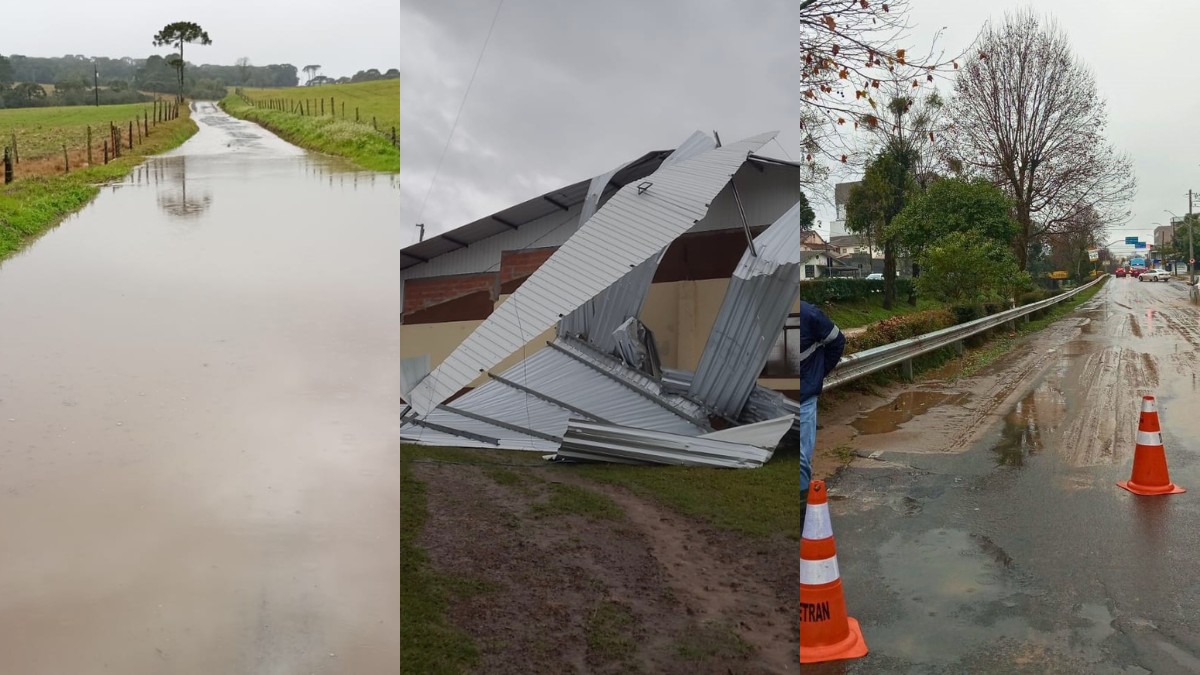
Heavy rainfall on Saturday, July 11th, led to widespread flooding, fallen trees, and blocked streets across several municipalities in Santa Catarina, Brazil. The Civil Defense reported no displaced or homeless individuals despite significant material damage. The National Institute of Meteorology (Inmet) issued a severe thunderstorm alert, a "yellow warning," effective until 11:59 PM on Saturday, highlighting risks of further flooding, tree falls, crop damage, and potential power outages.
Xanxerê, in the western part of the state, was severely impacted, recording 118 millimeters of rain between Thursday, July 9th, and Saturday, July 11th. This amount is approximately 80% of the average rainfall expected for the entire month of July. In Xanxerê, a mudslide caused by the downpour blocked a section of the SC-480 highway. In Lages, located in the Serra region, fallen trees and flooded homes were reported, with 18 residences affected. Faxinal dos Guedes, also in the west, experienced overflowing water bodies that cut off access to three rural communities, temporarily isolating one family.
Showers are expected to continue across Santa Catarina through Saturday evening, particularly in central and eastern areas already experiencing high rainfall totals. Isolated thunderstorms with strong winds and possible hail are not ruled out by the Civil Defense. By late Saturday night and into Sunday, July 12th, a cold front will move out of the region, leading to improved weather conditions and sunny spells across Santa Catarina. However, a subsequent cold air mass will cause temperatures to remain low throughout the state on Sunday.
The severe weather event in Santa Catarina underscores the increasing vulnerability of infrastructure and communities to extreme precipitation, a trend amplified by climate shifts. While immediate responses focused on damage control and public safety, the long-term implications involve assessing and upgrading urban planning and drainage systems to mitigate future risks. The substantial rainfall in Xanxerê, exceeding 80% of the monthly average in just three days, points to the need for enhanced meteorological forecasting integration into regional development strategies. Future resilience will depend on proactive adaptation measures that account for intensified weather patterns, balancing economic development with environmental sustainability and robust infrastructure investment.
AI-generated to prompt reflection — not editorial opinion, not advice, not a statement of fact. How this works.