Heavy Rains Cause Flooding, Damage, and School Closures in Northern Rio Grande do Sul
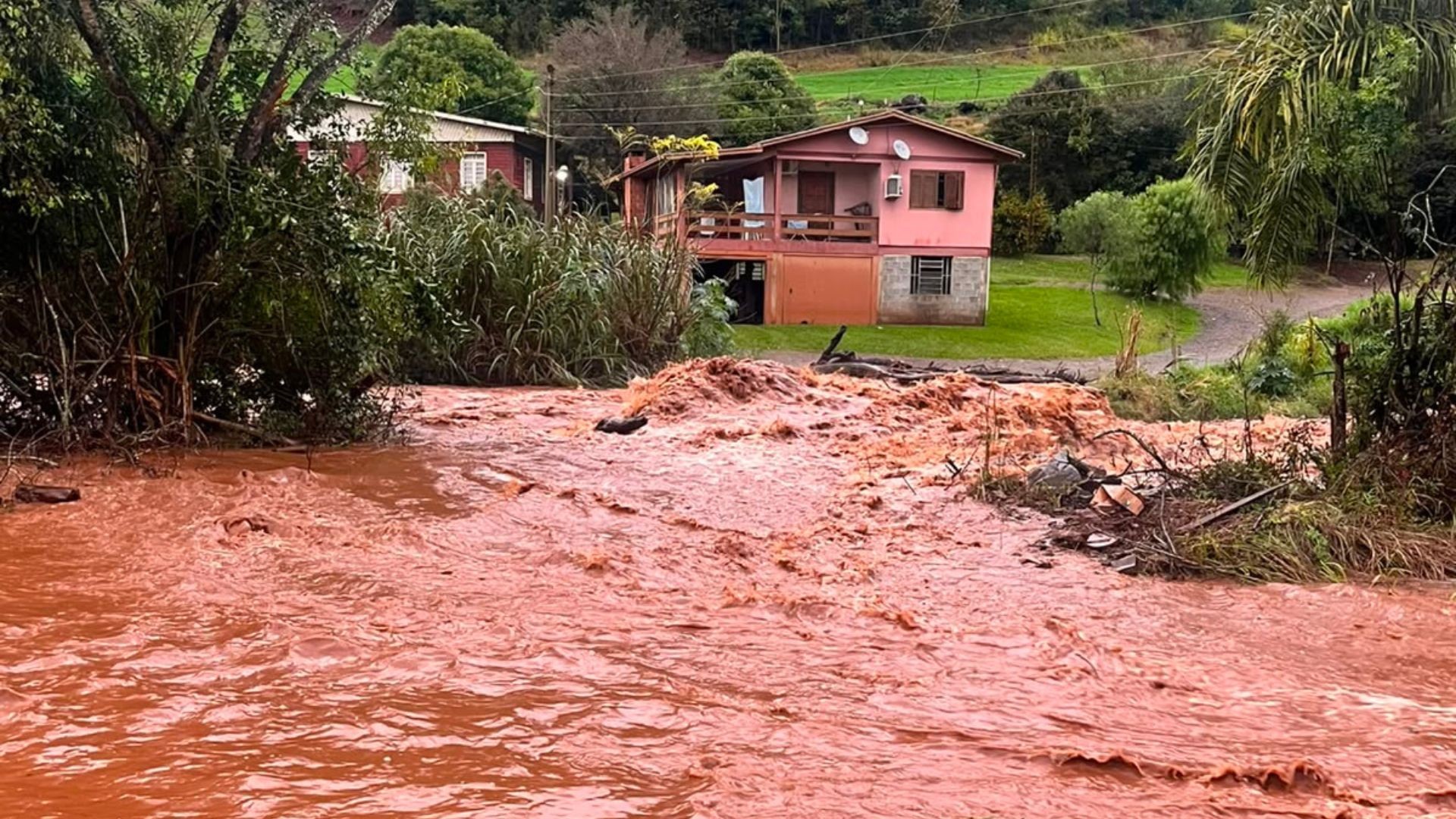
Northern and Northwestern regions of Rio Grande do Sul, Brazil, experienced significant rainfall on Wednesday, October 1st, leading to widespread disruptions including flooding, damaged roofs, and canceled classes. At least nine municipalities reported damage, though no residents were displaced. In Sananduva, 65 millimeters of rain caused rivers and streams to rise, leaving one family stranded in the rural community of São João do Forquilha due to a flooded road near the local church. Charrua also faced inundations from a tributary of the Rio Ligeiro, blocking access to rural areas like Linha Viecelli and Linha Perondi, with municipal teams working on recovery efforts. Barão de Cotegipe experienced flooding after the Jupirangaba River overflowed, prompting residents in the central area to move belongings to higher ground as a precaution. Two municipal schools, EMEF Ângelo Rosa and EMEI Barãozinho, suspended classes due to proximity to a flooded street. In Barracão, a landslide on BR-470 temporarily blocked the highway. Jacutinga reported a single isolated flooded garage, while Santo Expedito do Sul canceled municipal classes due to difficult road conditions, with state schools suspending morning classes. São José do Ouro saw roofs torn off homes and sheds, fallen trees, and a destroyed cooperative silo due to a storm affecting rural communities, leading to class suspensions in those areas. Pinheirinho do Vale received 100 millimeters of rain, causing flooding in the Town Hall, Education Secretariat, and the APAE building. Cerro Grande reported R$ 2 million in damages to roads and crops, combining recent and previous storm impacts, and is preparing to declare a state of emergency. Paulo Bento had one flooded house in its central area.
The recent heavy rainfall in Rio Grande do Sul highlights the increasing vulnerability of communities to extreme weather events, likely exacerbated by broader climate shifts. The localized impacts, such as stranded families and damaged infrastructure, underscore the critical need for robust, proactive disaster preparedness and response systems. While immediate relief efforts are underway, the recurring nature of such events suggests a systemic challenge in urban and rural planning, particularly concerning water management and resilient infrastructure development. Future investments should prioritize climate adaptation strategies to mitigate economic losses and safeguard public well-being against predictable environmental stressors.
AI-generated to prompt reflection — not editorial opinion, not advice, not a statement of fact. How this works.