Heavy Rains Cause Landslide, Flooding on Paraná Highway
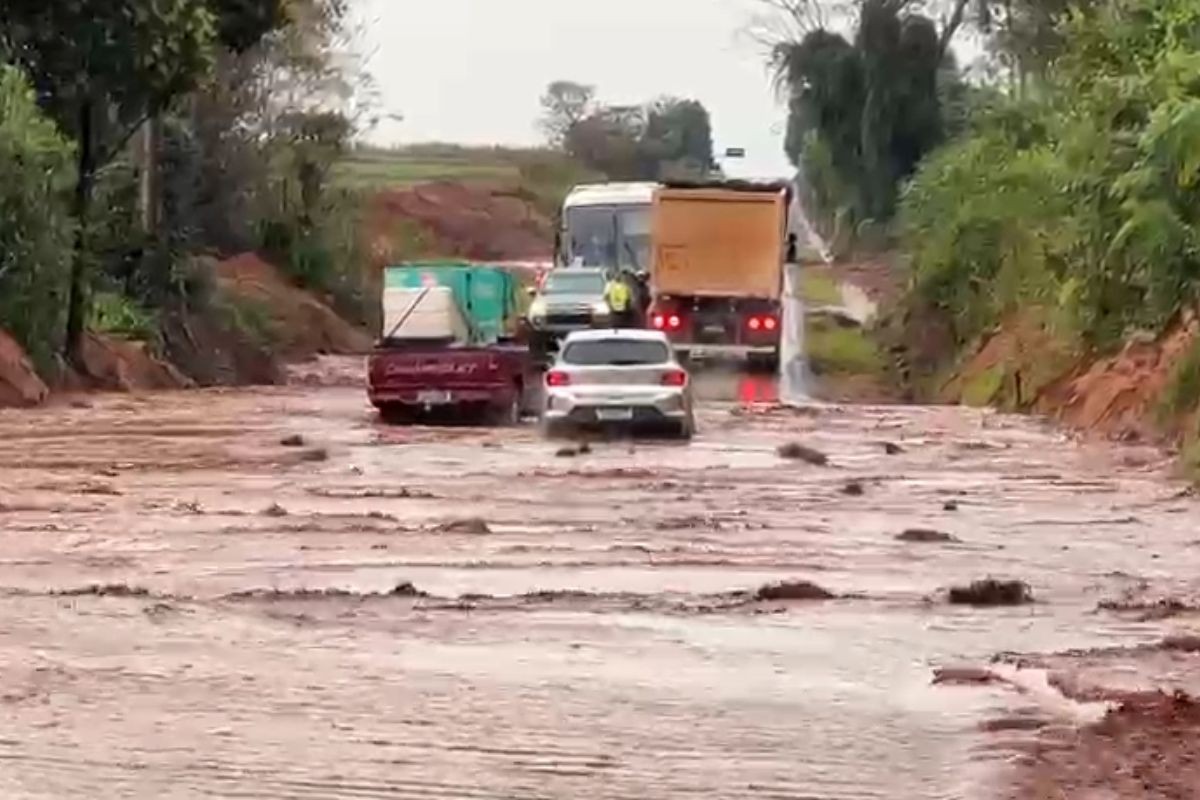
Heavy rainfall on Friday morning, July 24th, triggered a landslide and significant flooding on a section of the PR-494 highway in Paraná, Brazil. The affected stretch, located between São João do Caiuá and Paranacity in the northwestern part of the state, was inundated with water and mud, transforming the road into a river-like state. This severe disruption led to compromised vehicle traffic, with some cars becoming stuck in the mud. The local meteorological system, Simepar, indicated that while the immediate towns lack weather stations, nearby Paranavaí recorded 13 millimeters of rain. Paranavaí also received a high-risk warning for severe thunderstorms, including heavy rain, hail, and strong winds. Residents received emergency alerts from the Civil Defense via cell broadcast. The State Highway Police and Fire Department were contacted for information on the road closure and ongoing efforts but had not yet responded at the time of reporting. The Department of Roads and Bridges (DER) confirmed they dispatched agents to the scene. Simepar forecasts continued rain in some regions on Saturday, July 25th, particularly in the northwest, west, and north, with isolated showers and thunderstorms. Sunday, July 26th, is expected to bring a new weather system with potential isolated storms across the west, southwest, and central-south regions, driven by moisture from northern Brazil. A brief respite with sunshine and rising temperatures is predicted for Monday, July 27th, before rain returns to the west and southwest on Tuesday, July 28th.
The event highlights the vulnerability of critical infrastructure, such as the PR-494 highway, to extreme weather events exacerbated by climate change. The heavy rainfall and subsequent landslide underscore the need for proactive infrastructure resilience planning, particularly in regions prone to severe weather. The response from state agencies, including the DER's dispatch of agents, indicates an immediate reaction, but the delay in responses from the Police and Fire Department suggests potential coordination challenges during emergencies. Looking ahead, the recurring pattern of weather systems impacting Paraná points to the importance of investing in advanced meteorological monitoring and early warning systems to mitigate risks to public safety and economic activity, ensuring that transportation networks can withstand future climatic pressures.
AI-generated to prompt reflection — not editorial opinion, not advice, not a statement of fact. How this works.