Heavy Rains Cause Landslides, Killing 29 Including 14 Children in Bangladesh
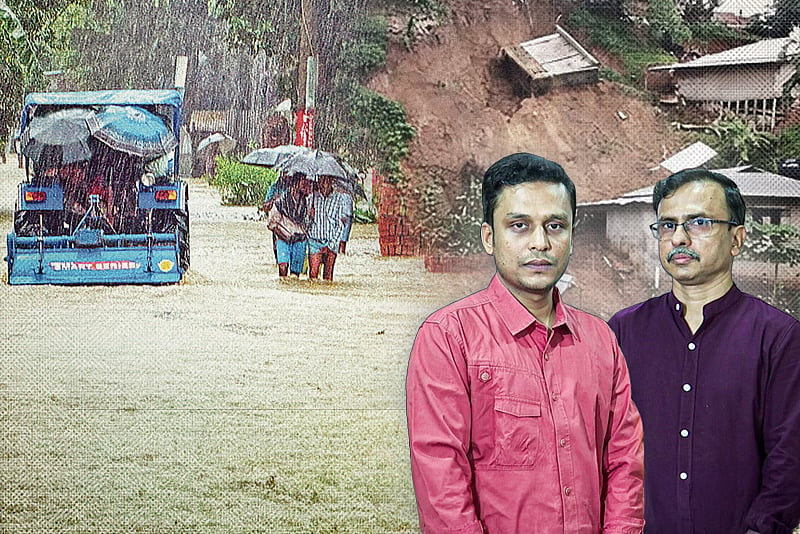
Continuous rainfall over several days has triggered landslides in four districts of Bangladesh, resulting in the deaths of at least 29 people, including 14 children. The victims primarily resided in vulnerable settlements established on or near the slopes of hills. This tragic situation highlights the persistent danger faced by communities living in precarious locations due to natural disasters exacerbated by weather patterns. The affected areas are grappling with the aftermath, including rescue efforts and assessing the full extent of the damage. Authorities are likely to face renewed pressure to address the root causes of such frequent and devastating events. The video accompanying the original report aims to explore when this cycle of destruction might be broken. The ongoing monsoon season continues to pose a significant threat to life and property in the region. Efforts to relocate residents from high-risk zones are often met with challenges, including land availability and the socio-economic implications for displaced families. The government and aid organizations are coordinating relief and rehabilitation measures for those affected by the landslides. The long-term solution requires a comprehensive approach to urban planning and disaster management, considering the environmental vulnerabilities of the affected districts.
The recurring tragedy of landslides in Bangladesh, particularly impacting vulnerable populations in informal settlements, underscores a critical governance challenge. While heavy rainfall is a natural trigger, the disproportionate loss of life, especially among children, points to systemic issues in land-use planning, housing policy, and disaster preparedness. The juxtaposition of informal settlements against steep slopes suggests a failure to enforce zoning regulations or provide adequate alternative housing solutions for marginalized communities. Addressing this requires a multi-faceted strategy that integrates climate resilience, sustainable urban development, and robust social safety nets. Future interventions must prioritize relocating at-risk populations to safer areas and investing in infrastructure that mitigates landslide risks, rather than solely relying on post-disaster relief efforts. The long-term sustainability of these communities hinges on proactive, rather than reactive, measures that acknowledge the increasing frequency of extreme weather events in the AI era.
AI-generated to prompt reflection — not editorial opinion, not advice, not a statement of fact. How this works.