Heavy Rains Cause Landslides, Shutting Pune-Mumbai Expressway and Disrupting Train Services
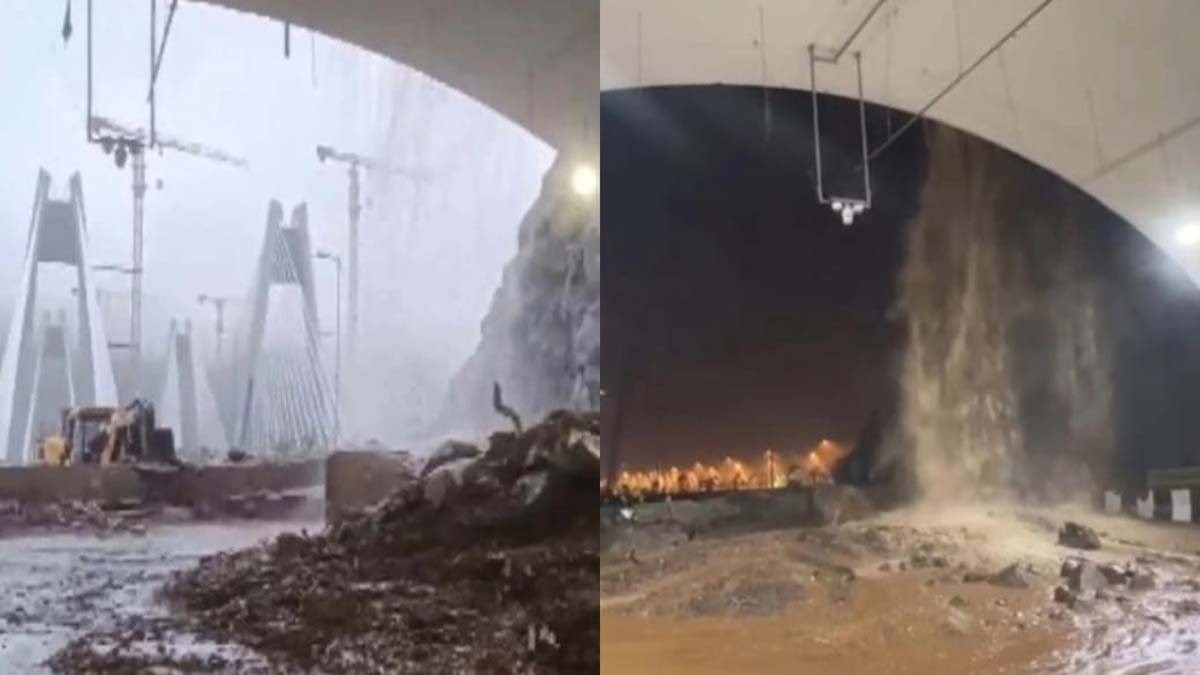
Continuous heavy rainfall in Maharashtra has significantly impacted the Mumbai-Pune route. A major landslide occurred near Khandala on the expressway, completely blocking the lane heading towards Mumbai. The accumulation of rocks and soil on the railway tracks has also led to disruptions in train services. This situation has caused the closure of both the Pune-Mumbai Expressway and National Highways in the affected region. The adverse weather conditions have created substantial travel challenges for commuters and goods transportation between these two major cities. Authorities are working to clear the debris and restore normal operations, but the duration of the closures remains uncertain due to the ongoing rainfall. The disruption highlights the vulnerability of critical infrastructure to extreme weather events.
The recurring closure of vital transportation arteries like the Pune-Mumbai Expressway and adjacent rail lines due to landslides underscores the critical need for enhanced climate resilience in India's infrastructure planning. As extreme weather events become more frequent and intense, driven by global climate shifts, reliance on traditional engineering solutions may prove insufficient. Future development must integrate advanced geological surveying, predictive modeling for landslide risks, and potentially adaptive infrastructure designs that can better withstand or mitigate the impacts of heavy rainfall and seismic instability. This situation prompts a re-evaluation of risk assessment protocols and investment in green infrastructure solutions that can naturally stabilize slopes and manage water runoff, thereby reducing the long-term economic and social costs associated with such disruptions.
AI-generated to prompt reflection — not editorial opinion, not advice, not a statement of fact. How this works.