Heavy Rains Cause Rivers to Swell in Rio Grande do Sul, Over 300 Displaced
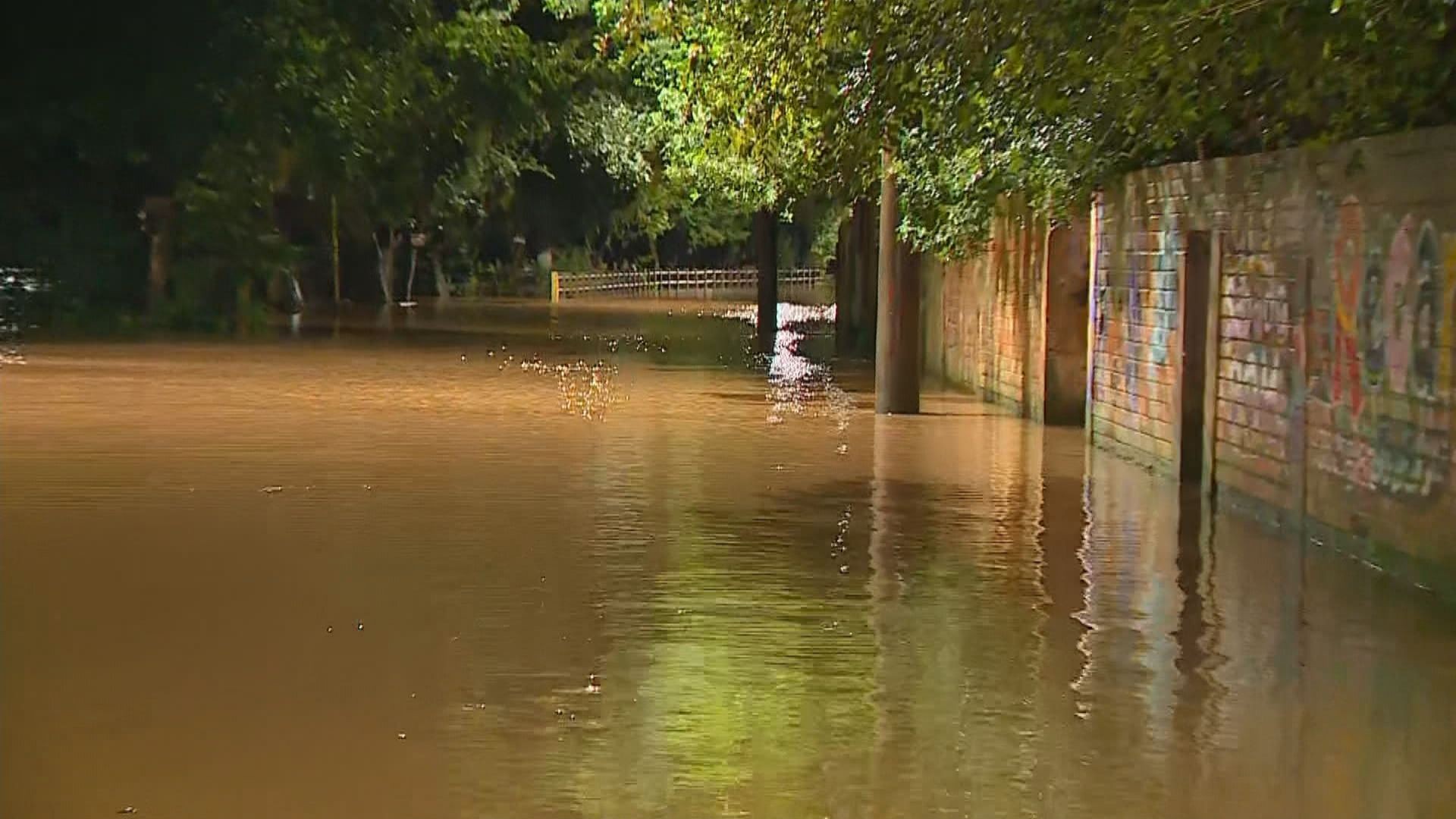
Persistent heavy rainfall in Rio Grande do Sul, Brazil, has led to significant river level increases, with several municipalities reporting impacts and over 300 residents displaced. Rivers including the Caí, dos Sinos, Paranhana, Gravataí, Jacuí, Taquari, and Uruguai have surpassed flood levels. In São Leopoldo, the Rio dos Sinos rose to 4.73 meters, inundating streets and properties, prompting a state of alert. Igrejinha and Três Coroas are also experiencing flooding from the Rio Paranhana, with approximately 100 people taking refuge in a municipal shelter in Três Coroas. Gravataí's river reached 4.80 meters, exceeding its flood stage, though authorities report the situation is under control with no reported displacements. Lajeado, Encantado, Arroio do Meio, Estrela, and Cruzeiro do Sul are also facing elevated river levels, with some areas seeing families return to shelters after previous events. The State Civil Defense issued warnings for municipalities along these rivers, anticipating further rainfall and potential flash floods in urban areas. While some regions may see a decrease in severe weather by Wednesday, intense storms with hail and strong winds are forecast for northern and eastern parts of the state. A drier period is expected on Thursday, but impacts from existing flooding will persist. A new cold front approaching on Friday could bring more rain to southern and southwestern areas by Saturday, increasing the risk of new flood events.
The recurring flooding in Rio Grande do Sul highlights the vulnerability of communities situated along major river systems to extreme weather events, exacerbated by potential shifts in precipitation patterns. While immediate responses focus on displacement and immediate relief, a longer-term perspective is crucial for understanding the systemic risks. Evaluating the effectiveness of existing flood control infrastructure, urban planning regulations in flood-prone zones, and early warning systems against the backdrop of increasingly severe weather forecasts is essential. Future resilience will likely depend on integrated strategies that combine robust infrastructure investment with adaptive land-use policies and community preparedness, acknowledging the evolving climate landscape and its impact on hydrological systems.
AI-generated to prompt reflection — not editorial opinion, not advice, not a statement of fact. How this works.