Heavy Rains Cause Widespread Flooding and Landslides Across India
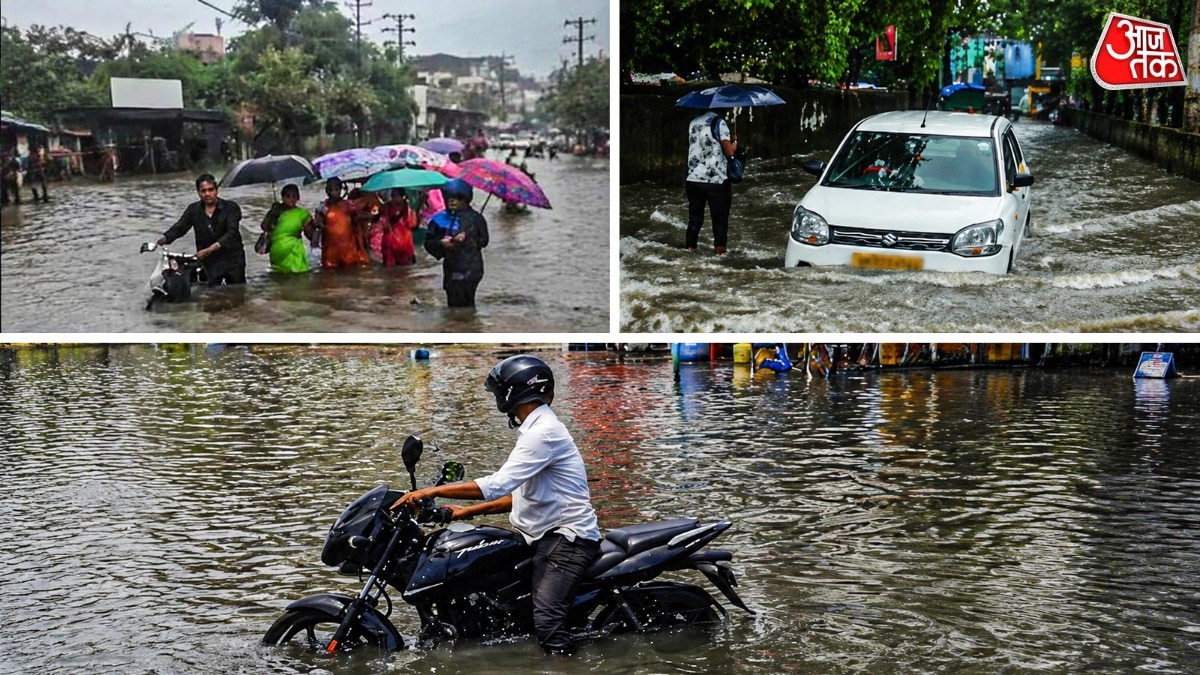
Continuous heavy rainfall has caused severe flooding and landslides in multiple regions across India, including Mumbai, Gujarat, Odisha, and Madhya Pradesh. Rivers are overflowing their banks, transforming roads into waterways and inundating homes and shops. Several railway tracks have also been submerged due to the intense monsoon downpour. The situation highlights the destructive power of the current monsoon season, with visual reports from various cities depicting the extent of the devastation. Authorities are responding to the natural calamity, with efforts focused on rescue and relief operations for affected populations. The persistent rain has disrupted normal life, impacting transportation and daily activities significantly.
The recurring pattern of extreme weather events, such as the current heavy rainfall and subsequent flooding across India, underscores the increasing vulnerability of urban and rural infrastructure to climate change impacts. This situation prompts a review of urban planning and disaster management strategies, particularly concerning drainage systems, flood control measures, and early warning mechanisms. The economic and social costs associated with such events necessitate long-term investment in climate-resilient development and potentially a reassessment of development in flood-prone areas. Future preparedness will likely involve integrating advanced meteorological forecasting with robust land-use policies to mitigate risks and enhance community safety.
AI-generated to prompt reflection — not editorial opinion, not advice, not a statement of fact. How this works.