Heavy Rains Devastate Rio Grande do Sul: Over 1,000 Displaced, 128 Towns Damaged, 6 Injured
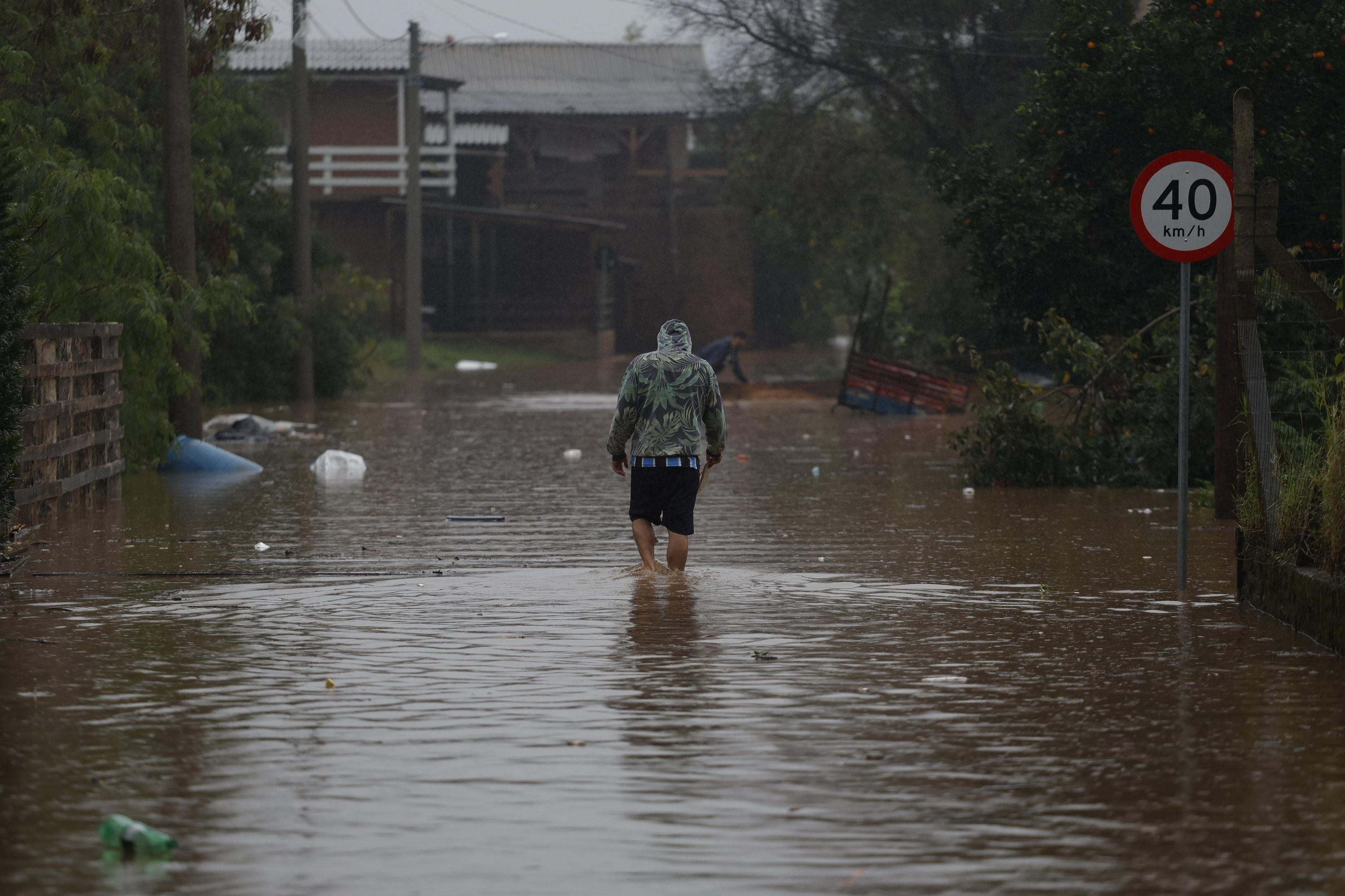
Torrential rains have caused widespread damage across Rio Grande do Sul, Brazil, impacting at least 128 municipalities and displacing over one thousand residents since Monday, September 27th. The Civil Defense reported six injuries resulting from the severe weather. The affected areas experienced a range of destructive events, including widespread flooding, landslides, fallen trees and utility poles, roof damage, power outages, and significant disruptions to roads, bridges, and municipal transit routes. The National Civil Defense has officially recognized the emergency situation in São Sebastião do Caí and Feliz due to the recent rainfall, while requests from Marques de Souza and Palmitinho are still under review.
As of the latest reports, 779 individuals are considered "desabrigados" (homeless and requiring public shelter), and 297 are "desalojados" (displaced but staying with friends or family). Notable numbers of displaced residents were reported in Parobé (50), Quevedos (49), Não-Me-Toque and Lindolfo Collor (30 each), and Jaguari and Cachoeira do Sul (24 each). Housing infrastructure has also suffered significant damage, with Osório reporting 350 partially damaged homes, Santo Antônio das Missões around 400 affected houses, and Não-Me-Toque documenting 200 damaged residences.
In a separate incident on Tuesday, September 28th, a tornado struck the municipalities of Senador Salgado Filho, Sete de Setembro, and Giruá. Senador Salgado Filho saw one house destroyed and 15 damaged, affecting 60 people. Sete de Setembro experienced the collapse of its municipal machine park structure and damage to 15 homes. Giruá reported damage to three residences. The heavy rainfall has also severely impacted transportation and access, with Agudo experiencing river flooding that blocked internal access routes, and Jaquirana facing road blockages due to landslides. The bridge connecting Salto do Jacuí to Estrela Velha was destroyed, and several communities, including those in Maquiné and São Pedro do Sul, have been isolated by rising waters and road damage. Public buildings were also affected, with a hospital in São Francisco de Assis experiencing a partial roof collapse, and damage reported in schools, public offices, and health units in Flores da Cunha and Pinheiro Machado.
The severe weather events in Rio Grande do Sul highlight the escalating vulnerability of communities to extreme climate phenomena, exacerbated by infrastructure potentially not designed for such intensity. The displacement figures and damage to housing and public services underscore the critical need for enhanced disaster preparedness and resilient infrastructure planning. Future investments should prioritize early warning systems, robust flood defenses, and building codes that anticipate more frequent and severe weather events, aligning with long-term climate adaptation strategies. Analyzing the response mechanisms and resource allocation can inform improvements in emergency management to mitigate future impacts and ensure equitable recovery for affected populations.
AI-generated to prompt reflection — not editorial opinion, not advice, not a statement of fact. How this works.