Heavy Rains Flood Southern Brazil, Displacing Residents and Blocking Roads
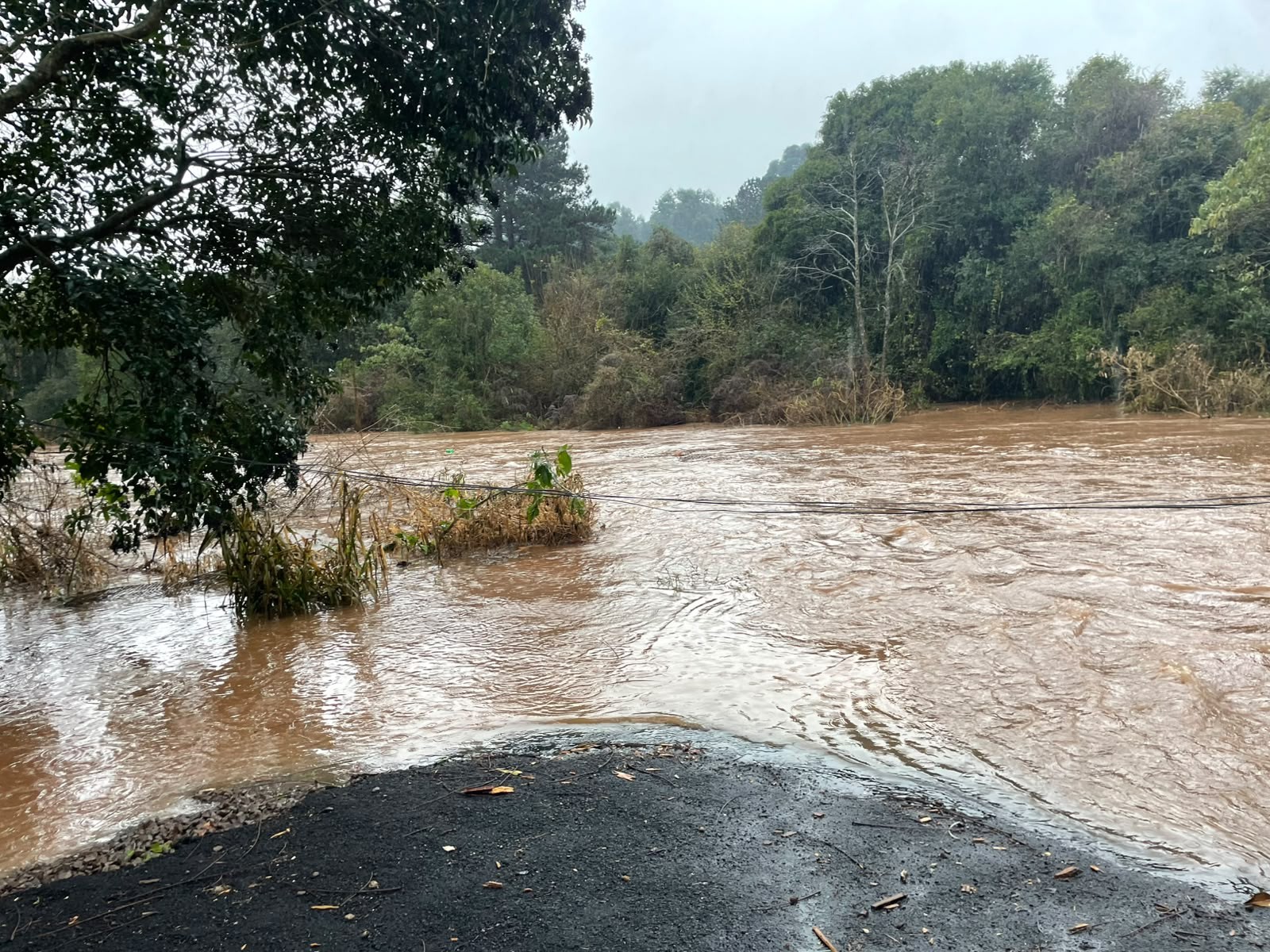
Intense rainfall across Rio Grande do Sul, Brazil, on Tuesday, May 21st, has caused widespread flooding and blocked numerous access routes, affecting at least 52 municipalities. The Civil Defense reported that 19 people have been displaced from their homes in six affected municipalities: Cerro Branco, Dona Francisca, Alegrete, São Borja, Santa Maria, and Vale do Sol. In the Santa Cruz do Sul region, the Pardinho River reached its flood stage, prompting emergency responses from the local government. The forecast indicates that unstable weather conditions are expected to persist through the night, maintaining a state of alert for further disruptions.
Significant rainfall totals were recorded throughout the day, with Porto Lucena receiving 172 mm, Paraí 153 mm, and Ibirapuitã 141 mm, among other high accumulations. These recent storms have compounded damage from previous days, including damaged roofs, fallen trees, power outages, blocked roads, and harm to public buildings and schools. The Pardinho River's rapid rise to 7.3 meters, driven by water flowing from Sinimbu, has led to evacuation alerts in the Navegantes neighborhood, with potential for further inundation reaching areas like Irmão Emílio Street.
The municipal Secretary of Security and Transit and Civil Defense coordinator, Reginaldo Martins Brito de Campos, highlighted the urgency of the situation and the ongoing emergency response efforts. The persistent heavy rains underscore the vulnerability of the region to extreme weather events, necessitating ongoing monitoring and preparedness.
The severe weather impacting Rio Grande do Sul highlights the increasing frequency and intensity of extreme rainfall events, a trend often linked to broader climate shifts. While immediate responses focus on rescue and displacement, the recurring nature of such events suggests a need for long-term infrastructure resilience planning. This includes evaluating urban development in flood-prone areas, enhancing early warning systems, and investing in climate adaptation strategies. The economic and social costs of repeated disruptions, from damaged property to interrupted services, underscore the importance of proactive, systemic approaches to mitigate future risks and build community resilience against escalating environmental challenges.
AI-generated to prompt reflection — not editorial opinion, not advice, not a statement of fact. How this works.