Heavy Rains, Hail, and Floods Displace Families Again in Southern Brazil
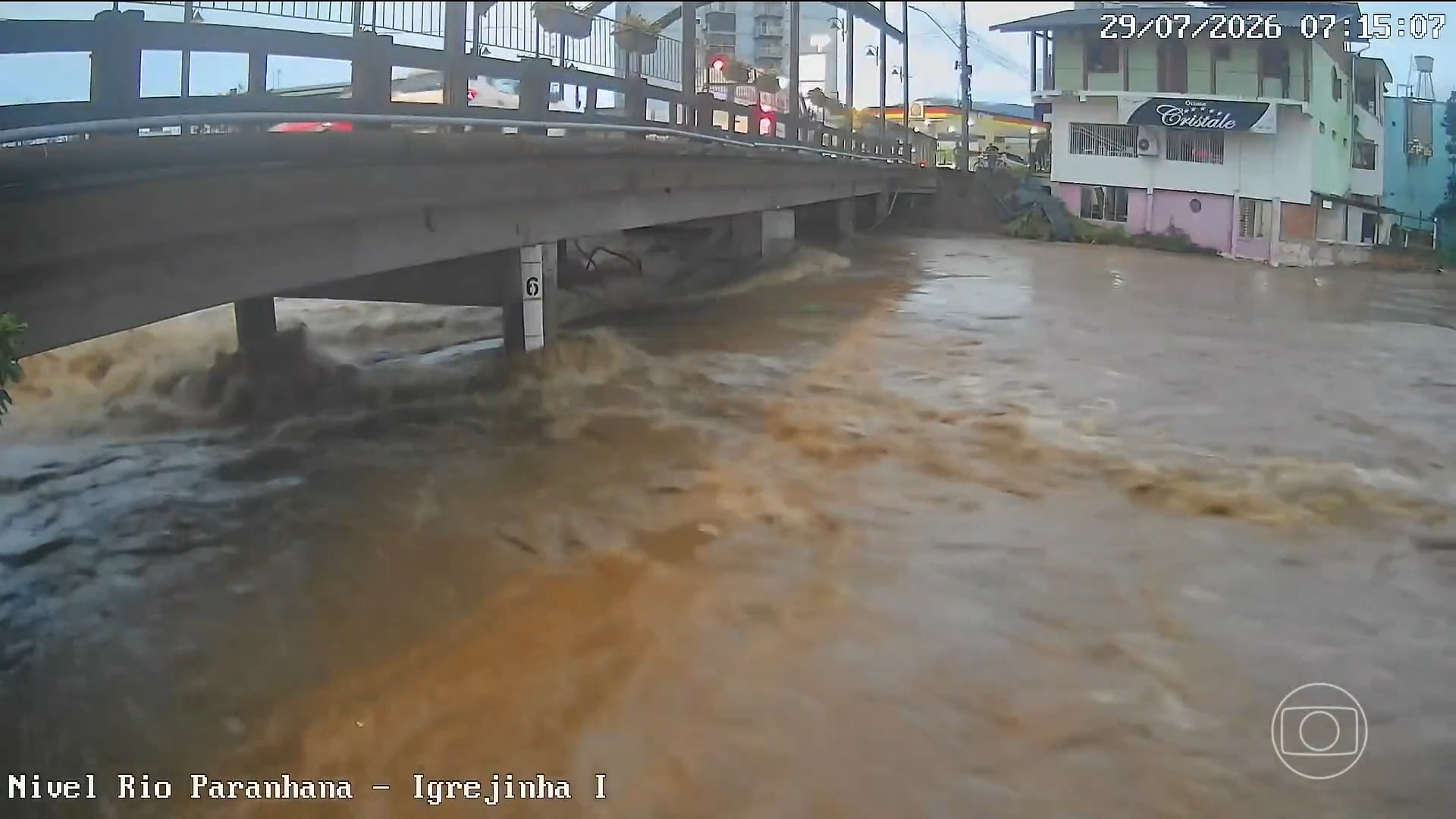
Southern Brazil's Rio Grande do Sul state is on high alert due to rising rivers following severe storms. Hundreds of people have been forced to evacuate their homes as floodwaters continue to inundate urban areas. On Tuesday night, May 28th, Caxias do Sul in the Serra Gaúcha region experienced a hailstorm that blanketed streets in white. The storms also caused damage in Flores da Cunha, where high winds damaged a school and part of a church. Residents described the emotional toll of seeing their homes and memories destroyed, emphasizing the need for calm and perseverance. In the Vale do Paranhana region, rainfall exceeded 100 millimeters, causing rivers to overflow their banks and flood neighborhoods and residences, as seen in Rolante. One resident recounted waking at 3 AM to the rising river, prioritizing helping neighbors before securing their own belongings. Although water levels receded during the day, the damage remains significant. One house, already impacted by floods in 2024, sustained further damage while undergoing repairs. The family had to postpone renovations and focus on removing mud that had entered their home, reaching about half a meter high. Sabrina Silva, a homeowner, described the ongoing struggle with water and mud inside her residence. In Lajeado, Vale do Taquari, the Taquari River's resurgence forced families who had recently returned to their homes after earlier floods to evacuate once more and seek shelter.
The recurring displacement of families in Rio Grande do Sul highlights the escalating vulnerability of communities to extreme weather events, likely exacerbated by climate change. Repeated inundation of the same properties suggests a systemic challenge in urban planning and infrastructure resilience, where rebuilding efforts are continually undermined by subsequent events. This cycle imposes significant economic and psychological burdens on residents, necessitating a re-evaluation of long-term adaptation strategies. Future planning must consider not only immediate flood control but also potential shifts in precipitation patterns and river behavior, integrating robust land-use policies and potentially managed retreat from high-risk zones to foster sustainable recovery and prevent future hardship.
AI-generated to prompt reflection — not editorial opinion, not advice, not a statement of fact. How this works.