Heavy Rains in Rio Grande do Sul: 1,800 Displaced, Over 200 Municipalities Report Damage
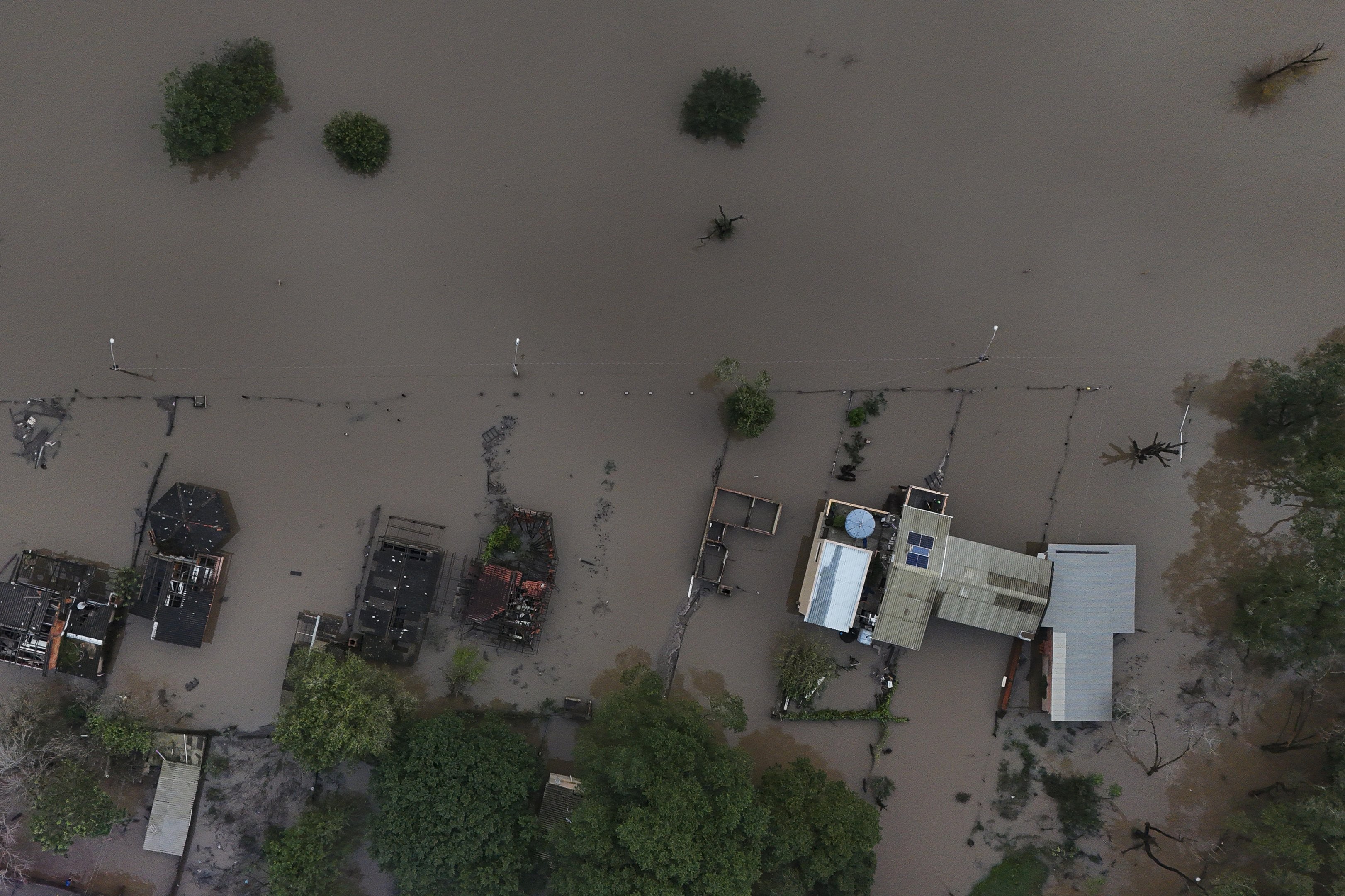
Persistent heavy rains in Rio Grande do Sul, Brazil, since the previous week have displaced at least 1,800 individuals and caused widespread damage across the state. As of Thursday evening, May 23rd, the state's Civil Defense reported damage in 203 municipalities. The disruptions include severe flooding, landslides, road blockages, damaged homes, and the precautionary evacuation of residents. Recurring issues since Friday, May 17th, involve blocked highways and rural roads, submerged or impassable bridges, overflowing rivers and streams, and significant damage to both urban and rural infrastructure.
According to state government figures, 1,315 people are classified as 'desabrigados' (homeless and reliant on public shelters), while the Civil Defense identified 565 'desalojados' (those who left their homes but found alternative accommodation with friends, family, or independently). Arroio dos Ratos reported the highest number of displaced individuals with 100, followed by Porto Xavier with 84, and Iraí with 80. Other heavily impacted areas include Planalto (40), Passo Fundo (26), and Arroio do Meio (21). Rising water levels in the Uruguai River prompted evacuations in the Northwest and Western Border regions. In the Taquari Valley, cities like Arroio do Meio, Encantado, Estrela, Muçum, and Roca Sales experienced flooding along riverbanks. Approximately 220 people were preemptively moved from vulnerable areas in Lajeado.
Landslides and mass movements of earth were recorded in several locations, including Cerro Branco, Novo Hamburgo, Monte Belo do Sul, Ronda Alta, Passa Sete, and Três Forquilhas, posing risks to residents. In addition to rain, strong winds have caused damage, leading to damaged roofs, fallen trees, power outages, and destruction to public and private buildings in cities such as Santa Maria, Vera Cruz, Candelária, São Gabriel, Jaguarão, Uruguaiana, and Alegrete. The highest wind gust recorded was 46.4 km/h in Palmares do Sul, with other strong wind events noted in Canguçu, Mostardas, Herval, and Torres. Recent rainfall data shows the highest accumulation in Montenegro (6.8 mm), followed by Nova Roma do Sul (5.8 mm) and Viamão (5.6 mm) in the preceding six hours.
The widespread displacement and infrastructure damage in Rio Grande do Sul highlight the increasing vulnerability of communities to extreme weather events, a trend likely to be exacerbated by climate change. The differential classification of 'desabrigados' and 'desalojados' underscores the varying levels of support required, from emergency shelter to longer-term housing solutions. The event also points to the critical need for robust, forward-looking urban and rural planning that incorporates climate resilience, including improved flood defenses, early warning systems, and land-use regulations in high-risk zones. Evaluating the effectiveness of current disaster response mechanisms and investing in infrastructure upgrades will be crucial for mitigating future impacts and ensuring the safety and recovery of affected populations over the coming decade.
AI-generated to prompt reflection — not editorial opinion, not advice, not a statement of fact. How this works.