Heavy Rains Kill 7, Injure 20 in Punjab; Homes Damaged
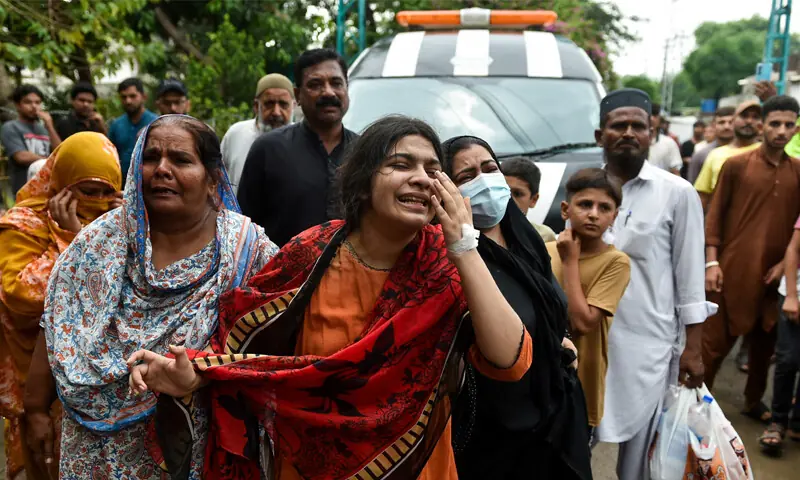
At least seven people, including two children, died and 20 others were injured in rain-related incidents across Punjab over the past 24 hours, according to the Provincial Disaster Management Authority (PDMA). The downpour also resulted in damage to houses and the deaths of livestock. The PDMA report documented 14 rain-related incidents by 2 PM on Saturday, encompassing fatalities from structural collapses and drowning, and injuries from roof collapses and electrocution. Specific incidents included the collapse of seven house roofs and the death of five buffaloes. Lahore reported three fatalities and five injuries from four separate roof collapses. Kasur saw two deaths, including a child, and three injuries from a house roof collapse. Faisalabad recorded one woman's death due to a roof collapse, while a child drowned in Gujranwala. Bahawalnagar reported three injuries from a roof collapse and one electrocution. Narowal and Sialkot each had two women injured from roof collapses, and Nankana Sahib and Sheikhupura reported three women injured in separate incidents. Okara had two men injured when an animal shed collapsed. PDMA Director General Umar Abbas stated that Punjab had largely avoided flooding despite the monsoon, with river levels normal. Gujranwala and Rawalpindi divisions, particularly Narowal, Jhelum, and Gujrat districts, experienced the heaviest rainfall. Breaches in the Dek Nullah near Narowal and an embankment in Sheikhupura were repaired, preventing major damage. So far this monsoon season, 22 lives have been lost and 183 people injured across Punjab, with emergency services accessible via the Rescue 1122 helpline.
This report details the immediate, tragic consequences of severe weather events on civilian infrastructure and populations in Punjab. The incidents highlight the vulnerability of housing structures, particularly roofs, to extreme rainfall and the associated risks of electrocution and drowning. While authorities have managed to avert major flooding and promptly addressed localized breaches, the recurring nature of such events suggests a need for long-term urban planning and infrastructure resilience strategies. Future considerations should include enhanced building codes, improved drainage systems, and public awareness campaigns for disaster preparedness, especially in areas prone to heavy monsoon activity. The focus on monitoring aging electricity infrastructure is a positive step towards mitigating electrocution risks, but a comprehensive review of utility grid resilience in adverse weather is warranted.
AI-generated to prompt reflection — not editorial opinion, not advice, not a statement of fact. How this works.