Heavy Rains Trap 600 Tourists in Sajek Valley, Waiting for Waters to Recede
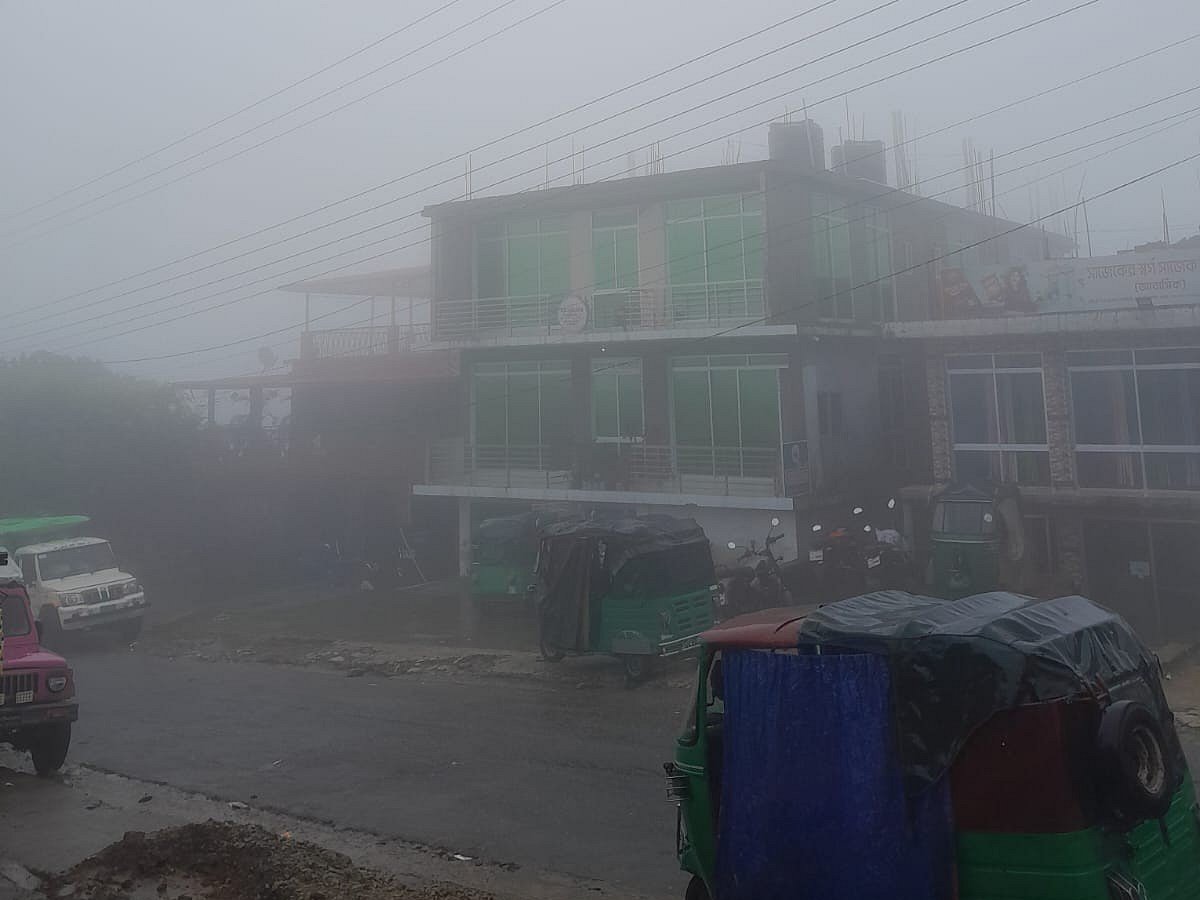
Approximately 600 tourists are stranded in Sajek Valley, Bangladesh, due to continuous heavy rainfall and resulting flash floods. The torrential downpour has submerged roads, cutting off access to and from the popular tourist destination. In response to the crisis, the organization representing resort owners in Sajek has announced that stranded tourists will be provided with accommodation free of charge. The situation remains critical as visitors await the receding of floodwaters before they can safely depart. Local authorities are monitoring the situation closely and coordinating efforts to ensure the safety and well-being of all affected tourists. The heavy rainfall, described as 'touching the clouds,' has significantly impacted the region's infrastructure, particularly its road network. Efforts are underway to assess the damage and plan for necessary repairs once the weather improves. The resort owners' collective decision to offer free lodging highlights a community-driven response to the natural disaster, prioritizing guest safety over commercial interests during this challenging period. The duration of the tourists' stay is dependent on the speed at which the floodwaters subside.
This event underscores the vulnerability of popular tourist destinations situated in ecologically sensitive regions to extreme weather events, exacerbated by climate change. The infrastructure's inability to withstand heavy rainfall and flash floods highlights a systemic challenge in balancing tourism development with environmental resilience. The spontaneous offer of free accommodation by resort owners demonstrates a positive community-based response, prioritizing human safety. However, it also points to the potential need for more robust disaster preparedness and infrastructure investment by local and national authorities to mitigate such disruptions in the future, ensuring the long-term sustainability of tourism in areas prone to natural hazards.
AI-generated to prompt reflection — not editorial opinion, not advice, not a statement of fact. How this works.