Heavy Rains Trigger Flooding in Several Rio Grande do Sul Cities, Stranding One Family
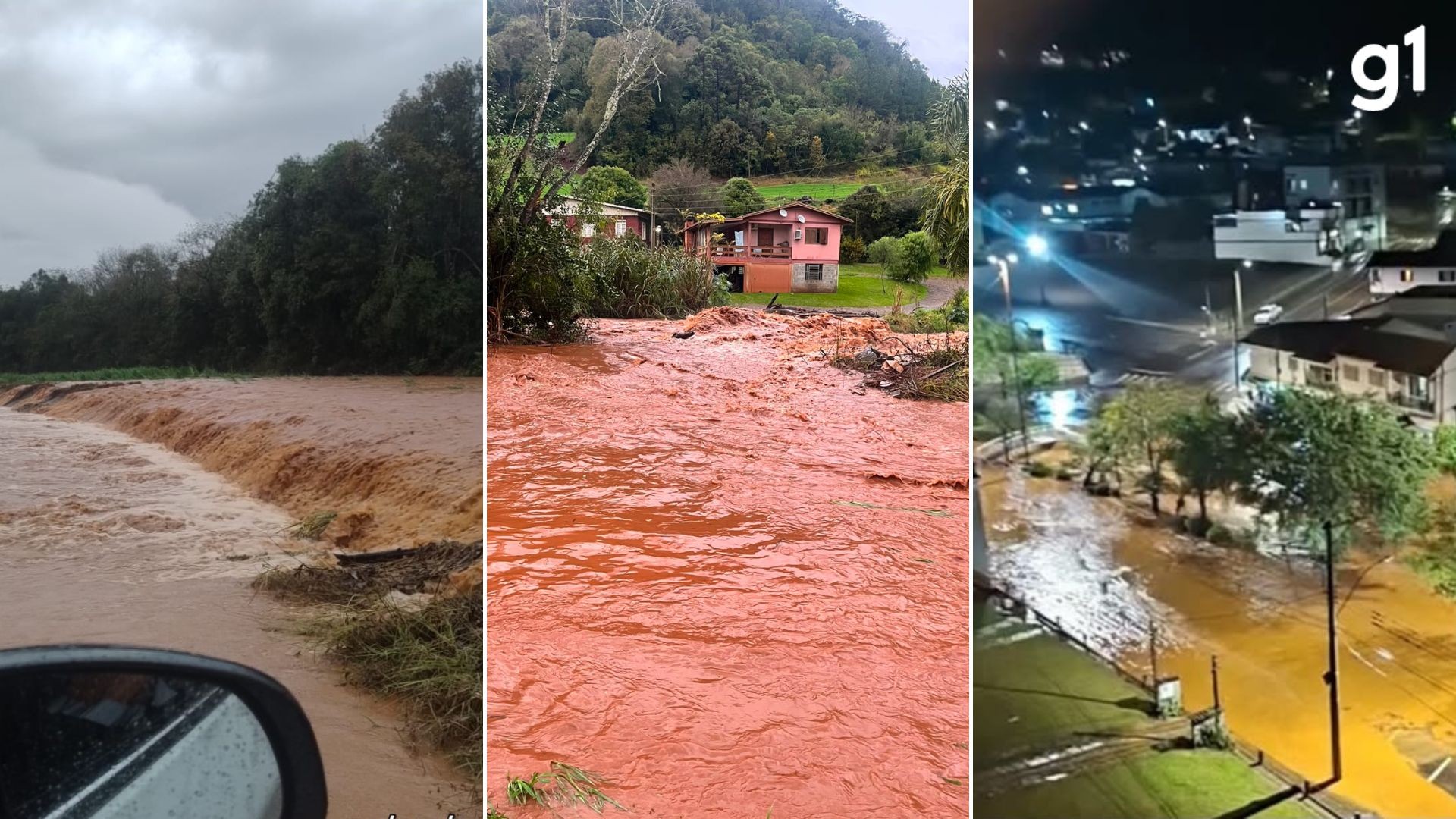
Several municipalities in Brazil's Rio Grande do Sul state experienced significant flooding on Wednesday, November 1st, following intense rainfall. Sananduva recorded 65 millimeters of rain, leading to river and stream overflows, particularly in rural areas. The Sananduva stream's rise inundated roads, leaving one family stranded in the São João do Forquilha community, with passage impossible during the afternoon and evening. The overflow reached close to the community church, and other parts of the municipality saw damage to culverts and partial road blockages due to water accumulation. Despite the disruptions, no severe damage or displaced residents have been reported in Sananduva. In Charrua, a branch of the Ligeiro River overflowed, flooding sections and blocking access to Linha Viecelli and Linha Perondi in the rural zone. Municipal and Civil Defense teams are working on recovery efforts, advising against travel on affected routes. Barão de Cotegipe received approximately 150 millimeters of rain, causing the Jupirangaba River to overflow in the central area. While no homes were directly impacted, residents in the central zone took precautionary measures by elevating furniture. Streets in the central region were completely flooded and closed for safety. Other areas also reported incidents, including a flooded garage in Jacutinga, which registered 99.2 millimeters of rain in six hours. In Santo Expedito do Sul, municipal schools canceled classes on Thursday, November 2nd, due to the severe weather and road conditions, with state schools suspending morning classes. Erechim and Aratiba experienced hail but no significant damage. The state's Civil Defense agency has issued alerts for continued heavy rains and storms in the northern and northwestern regions of the state.
The recent heavy rainfall and subsequent flooding in Rio Grande do Sul highlight the vulnerability of communities to extreme weather events, exacerbated by potential infrastructure limitations and land-use patterns. While immediate responses focus on rescue and recovery, a forward-looking perspective necessitates evaluating early warning systems and urban planning strategies for resilience in an era of intensifying climate variability. The event underscores the importance of robust infrastructure, including drainage and flood control, and the need for adaptive land management to mitigate risks in flood-prone areas. Future planning should consider the increasing frequency and intensity of such events, encouraging sustainable development practices that account for hydrological impacts and community safety.
AI-generated to prompt reflection — not editorial opinion, not advice, not a statement of fact. How this works.