Heavy Security, Political Maneuvers Mark First Day of Parliament Session
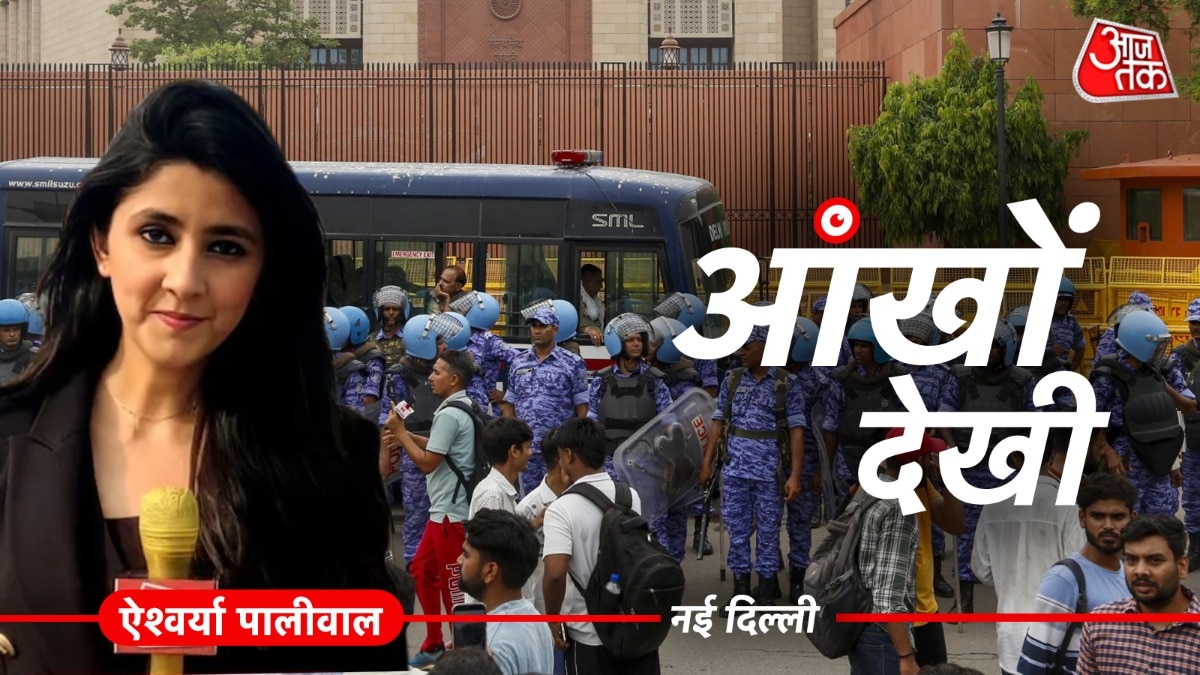
The first day of the parliamentary session in Delhi was marked by extensive security measures and barricading due to a 'Chalo Sansad' (Let's Go to Parliament) march organized by the CJP. Inside Parliament, a clear divergence in approach was observed between the opposition and the ruling government. The Samajwadi Party, led by Dimple Yadav, organized a march of women parliamentarians. Union Home Minister Amit Shah held multiple meetings in his chamber throughout the day. BJP President J.P. Nadda met with CJP representatives twice, receiving a written memorandum of demands. Security was unexpectedly heightened in the afternoon, leading to a temporary closure of the Vijay Chowk gate. By evening, no assurances were given regarding the demands, though Nadda urged the protestors to end their agitation.
The events of the first parliamentary day highlight the interplay between public protest, government response, and political strategy. The CJP's march and subsequent engagement with the BJP President demonstrate an attempt to leverage public pressure for policy change, while the government's response, including heightened security and direct dialogue, indicates a strategy to manage dissent while maintaining control. The temporary closure of Vijay Chowk suggests a calibrated escalation of security measures in response to perceived threats to parliamentary proceedings. The outcome, with no immediate concessions but an appeal to end the protest, reflects a common governmental approach of engaging with protestors while deferring substantive decisions, a dynamic likely to persist as differing interests navigate the legislative process.
AI-generated to prompt reflection — not editorial opinion, not advice, not a statement of fact. How this works.