Hegseth's Pentagon Tenure Marked by Loyalty, Charisma, and Controversial Views on Masculinity
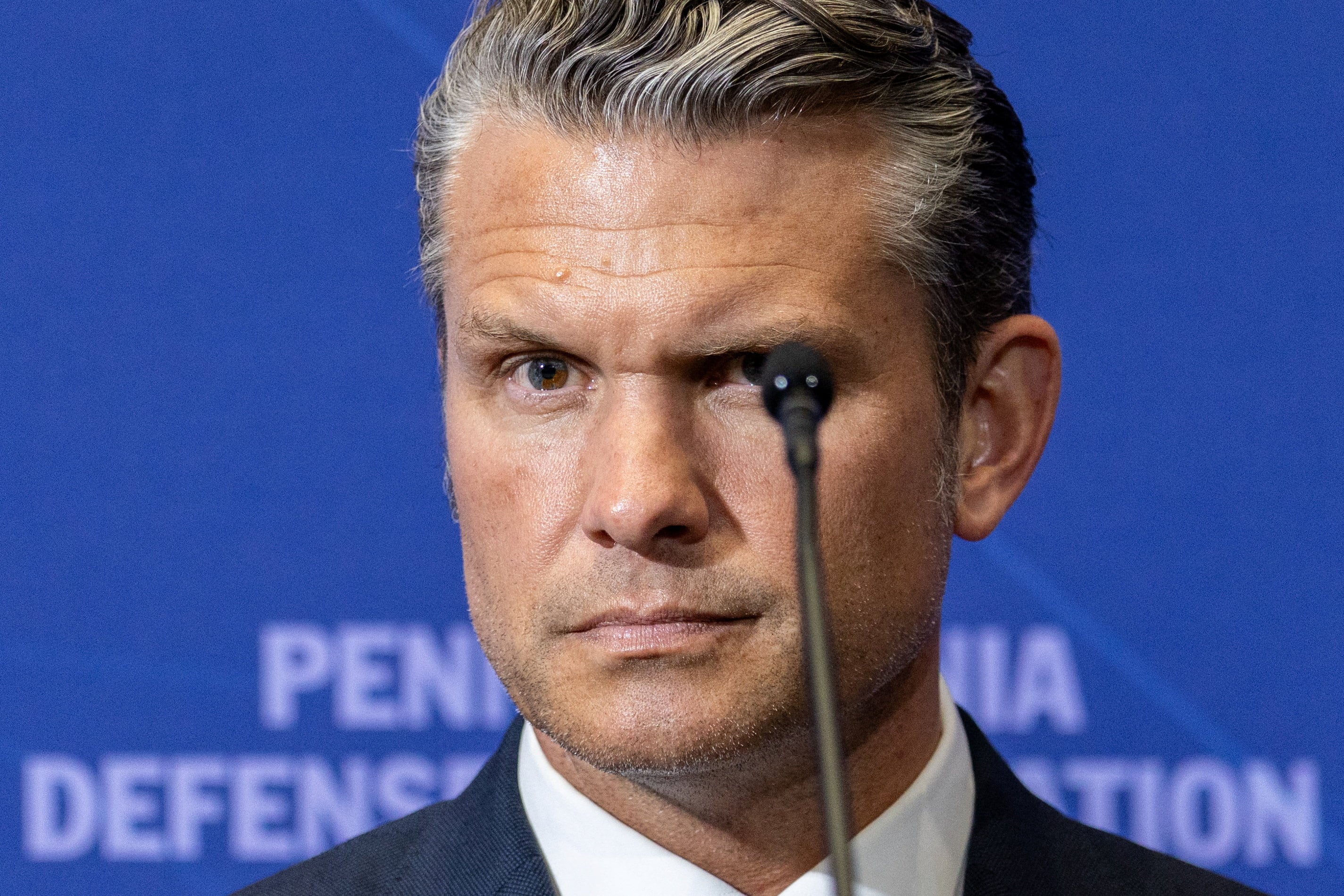
The recent announcement by Secretary of Defense Pete Hegseth regarding a review of male hormone levels in soldiers is the latest development in his controversial tenure. Hegseth, an ally of former President Trump, has reportedly focused on fostering a "virile" military environment. This approach has raised concerns about its inclusivity, with critics suggesting it leaves little room for women and minority groups within the armed forces. His career has been characterized by a strong sense of loyalty, significant public charisma, and a persistent emphasis on traditional notions of masculinity. These elements have shaped his public image and his policy considerations during his time at the Pentagon. The focus on hormone levels specifically highlights a perceived obsession with a particular type of military strength, potentially at the expense of broader diversity and representation.
Secretary Hegseth's focus on male hormone levels within the military presents a complex case study in leadership priorities. From a systems perspective, such initiatives may reflect an attempt to align military readiness with specific, albeit potentially outdated, definitions of physical prowess. However, this emphasis on a singular model of virility could inadvertently create governance challenges by potentially alienating or excluding segments of the diverse talent pool essential for modern defense. The long-term implications for recruitment, retention, and overall unit cohesion warrant careful consideration, particularly in an era where adaptability and broad spectrum capabilities are increasingly valued. Examining the incentive structures that drive such policy decisions, and their alignment with evolving societal expectations and strategic needs, will be crucial for future military effectiveness.
AI-generated to prompt reflection — not editorial opinion, not advice, not a statement of fact. How this works.