Heirs Challenge Urban Plan for "Zavala" Tourist Complex
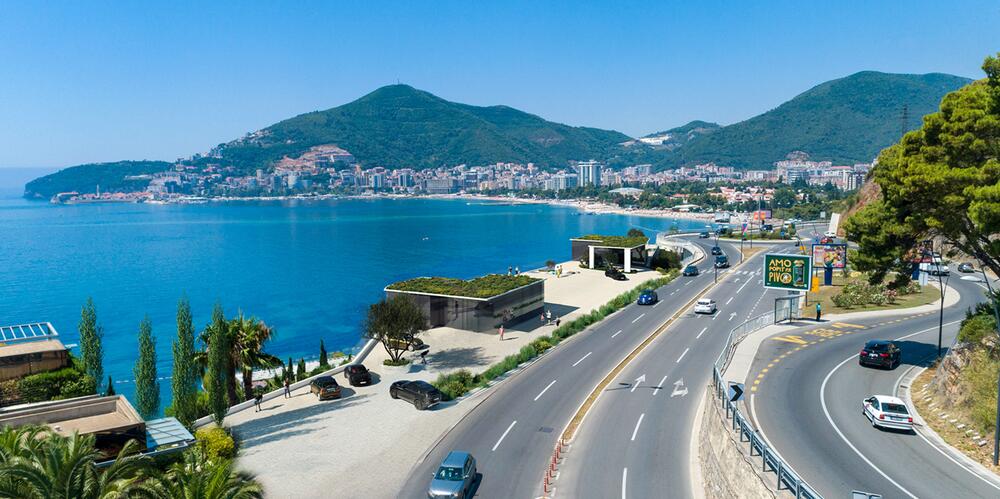
Heirs of land parcels nationalized in 1960 are demanding the withdrawal of amendments to the urban project for the "Zavala" tourist complex. The state decided to return the property to its original owners, but the heirs remain dissatisfied. They argue that the current urban plan for the area is illegal and diminishes the value of their land. Specifically, they contend that planners have designated a green space on their property, which they believe is an unlawful reduction in their land's potential development value. The heirs are seeking to have these changes reversed, asserting that the plan does not align with their property rights or the intended development of the tourist complex.
The dispute highlights a common tension between historical property claims and contemporary urban development planning. The state's decision to return nationalized property acknowledges past injustices, yet the implementation of new development plans can create new conflicts. The heirs' assertion of illegality and value reduction points to potential governance issues in the urban planning process, where stakeholder consultation and fair compensation mechanisms may be insufficient. Future urban development strategies will need to balance the restoration of historical property rights with the need for integrated, sustainable land-use planning, ensuring that such projects do not inadvertently devalue private assets or create prolonged legal challenges. This situation underscores the importance of transparent and equitable urban planning frameworks that anticipate and mitigate potential conflicts arising from land restitution and development.
AI-generated to prompt reflection — not editorial opinion, not advice, not a statement of fact. How this works.