Helicopter chase in MS leads to arrest of two and seizure of 345 kg of cocaine
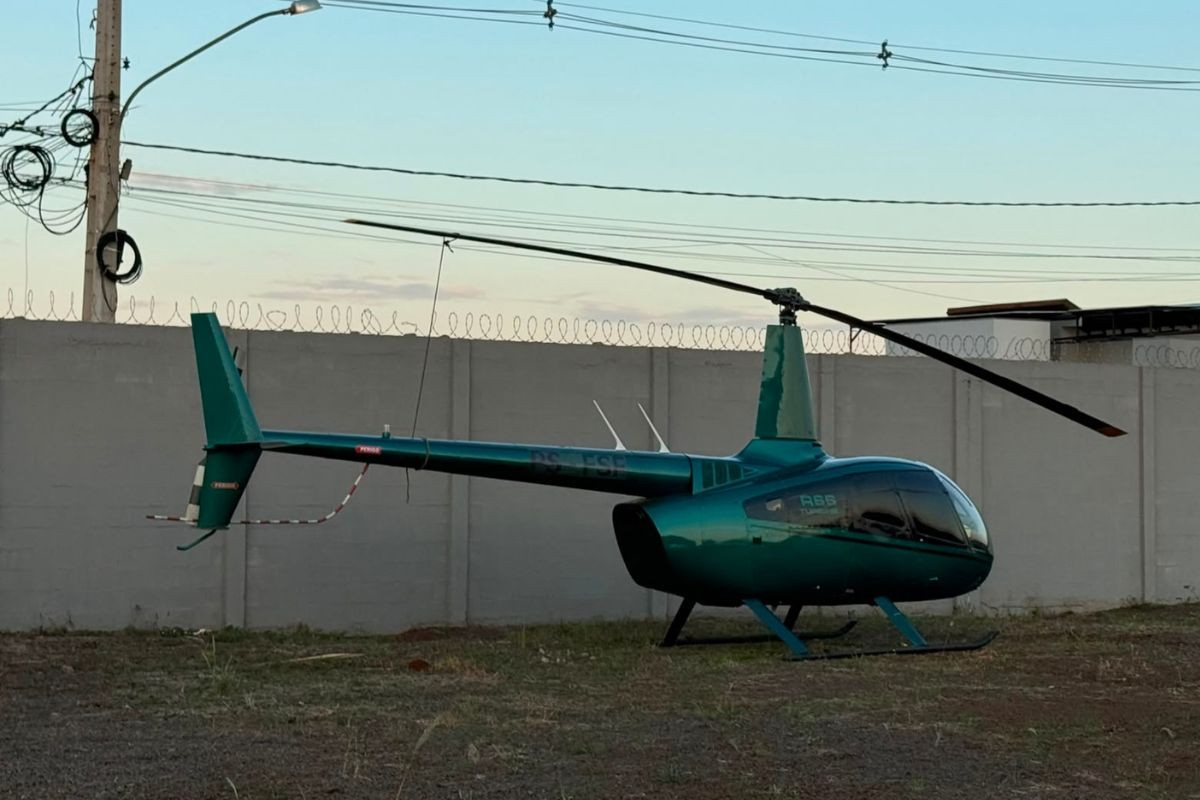
Two men, aged 36 and 63, were arrested on Saturday, May 25th, following an aerial pursuit in the rural area of Anhanduí, a district of Campo Grande, Mato Grosso do Sul (MS), Brazil. Authorities seized a total of 345.8 kilograms of cocaine from the suspects, who claimed the drugs were destined for São Paulo. The operation was conducted by military police from the Border Operations Department (DOF), with support from the General Coordination of Air Policing (CGPA). The pursuit began during a patrol in the rural area of Maracaju when officers spotted a helicopter flying at a low altitude, originating from the border region. The DOF's Harpia helicopter was deployed and located the aircraft, using a high-resolution camera to identify its registration number during the chase. Investigations revealed the helicopter's transponder was turned off and it had no registered flight plan. The suspects attempted to evade capture by making evasive maneuvers after noticing the police, but eventually landed on a farm in Anhanduí where they were apprehended. Upon inspection, officers discovered the helicopter's registration prefix had been altered with a sticker to conceal its true identity. The seized items included 191.6 kg of cocaine hydrochloride, 154.2 kg of cocaine base, seven mobile phones, a tablet, a Starlink satellite internet antenna, and cash. The pilots stated they were hired to transport the cargo from Bela Vista to the interior of São Paulo, and that the aircraft was loaded by armed individuals near the Paraguayan border. The arrested individuals, the helicopter, and the confiscated materials were transferred to the Specialized Border Crimes Repression Unit (Defron) in Dourados.
This incident highlights the persistent challenges in combating cross-border drug trafficking, particularly the use of aviation to circumvent traditional surveillance methods. The perpetrators' attempt to disguise the helicopter's identity and operate with a deactivated transponder and no flight plan indicates a sophisticated level of planning, suggesting access to resources and knowledge of law enforcement's detection capabilities. The seizure of advanced communication equipment like a Starlink antenna points to the evolving technological adoption by criminal organizations. Future interdiction strategies may need to further integrate aerial surveillance, real-time flight monitoring, and intelligence sharing with neighboring countries to disrupt such operations before they reach their destination. The case also underscores the critical role of border patrol units in detecting and intercepting these illicit activities within national territory.
AI-generated to prompt reflection — not editorial opinion, not advice, not a statement of fact. How this works.