Helicopter Crash in Boa Vista: Certificate Expired for 10 Years, Pilot Unqualified
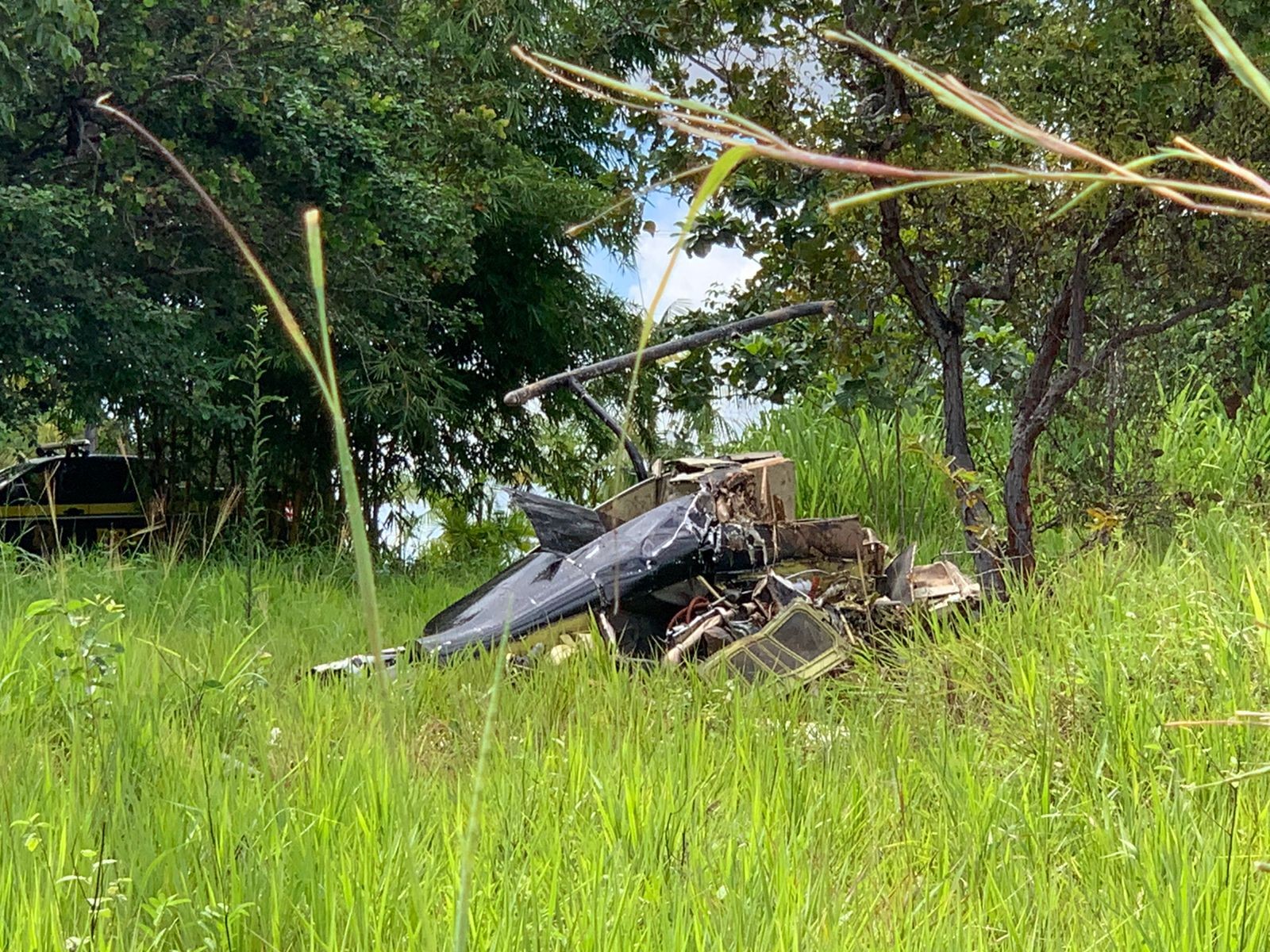
A helicopter crash that killed two men in Boa Vista, Brazil, on July 12, 2022, occurred while the aircraft's Airworthiness Verification Certificate (CVA) had been expired since 2012. This finding is detailed in a report by the Center for Investigation and Prevention of Aeronautical Accidents (Cenipa), released on Monday, November 20. The CVA is a crucial document confirming an aircraft's airworthiness, including all its components and equipment. The accident took place in a rural area of Boa Vista, where the helicopter struck a high-voltage power line before crashing onto a property. The report also indicated that the flight's origin, destination, and purpose were unidentified, with no known or approved flight plan filed, violating operational regulations. Furthermore, the pilot's helicopter pilot license and Aeronautical Medical Certificate (CMA) were also expired, rendering him unqualified for the flight according to the report. The deceased were identified as pilot Agnaldo Pereira da Costa, 55, and passenger Vilmar Carpinski, 47. The crash, which occurred around 6:50 AM, also caused an electrical outage affecting eight municipalities in the southern region of Roraima. The presence of a large amount of fuel at the crash site necessitated the support of a fire-fighting truck.
The investigation into the July 2022 helicopter crash in Boa Vista reveals significant regulatory non-compliance, including an expired airworthiness certificate and an unqualified pilot. The lack of a flight plan and unidentified flight purpose suggest operations outside standard aviation protocols. This incident highlights systemic risks associated with the operation of aging aircraft and the importance of stringent oversight in aviation safety. The long duration of the expired CVA points to potential gaps in regulatory enforcement or reporting mechanisms. Future aviation safety frameworks may need to incorporate more robust real-time monitoring and proactive risk assessment to prevent such tragedies, particularly concerning private or less frequently regulated flights.
AI-generated to prompt reflection — not editorial opinion, not advice, not a statement of fact. How this works.