Helicopter Rescues Aid Teenage Mothers and Newborns in Remote Nepal
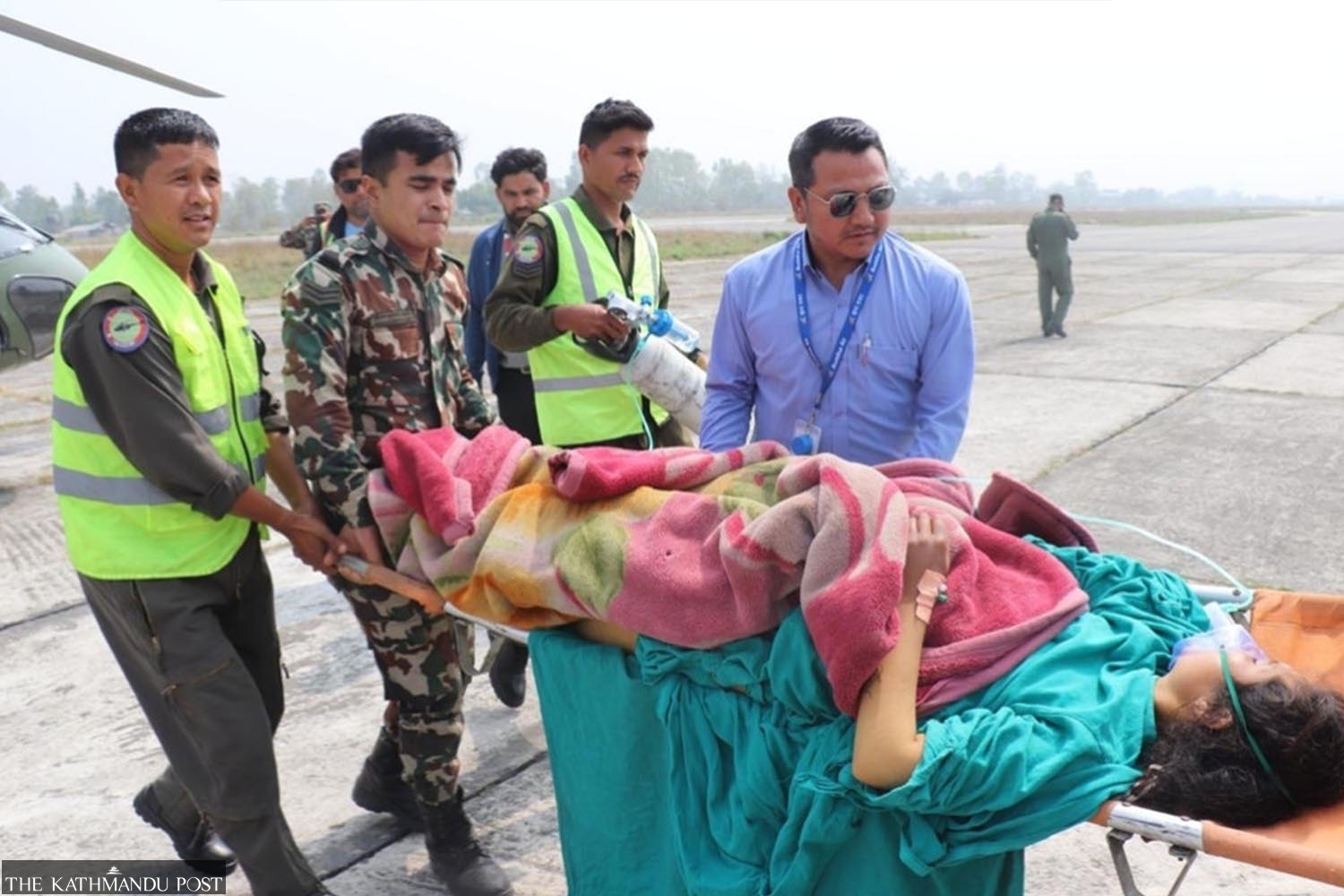
Helicopter rescue operations are providing a critical lifeline to teenage mothers and their newborns in Nepal's remote hilly regions. These areas are characterized by challenging terrain and inadequate health infrastructure, frequently transforming childbirth into a perilous experience. The emergency airlifts are instrumental in averting potential fatalities for both mothers and infants who might otherwise face insurmountable obstacles in reaching medical care. This initiative highlights the stark disparities in healthcare access between urban and rural Nepal, where geographical barriers significantly impact maternal and child health outcomes. The program underscores the urgent need for improved healthcare accessibility and emergency response systems in underserved mountainous communities. The success of these helicopter rescues offers a glimmer of hope and demonstrates the life-saving potential of targeted emergency medical services in geographically isolated areas.
The deployment of helicopter rescues in remote Nepalese districts addresses a critical gap in maternal healthcare, particularly for vulnerable teenage mothers. This intervention highlights the persistent challenges of geographical isolation and underdeveloped health infrastructure in mountainous regions. While a vital emergency measure, its reliance on airlifts points to the underlying systemic need for more robust, ground-based healthcare facilities and accessible transportation networks. Future development should focus on building sustainable healthcare capacity within these communities to reduce dependence on costly and logistically complex emergency responses. This approach aligns with long-term goals of equitable health access and improved public health outcomes in the face of environmental and infrastructural limitations.
AI-generated to prompt reflection — not editorial opinion, not advice, not a statement of fact. How this works.