Helping Disaster Victims is a Great Act of Worship
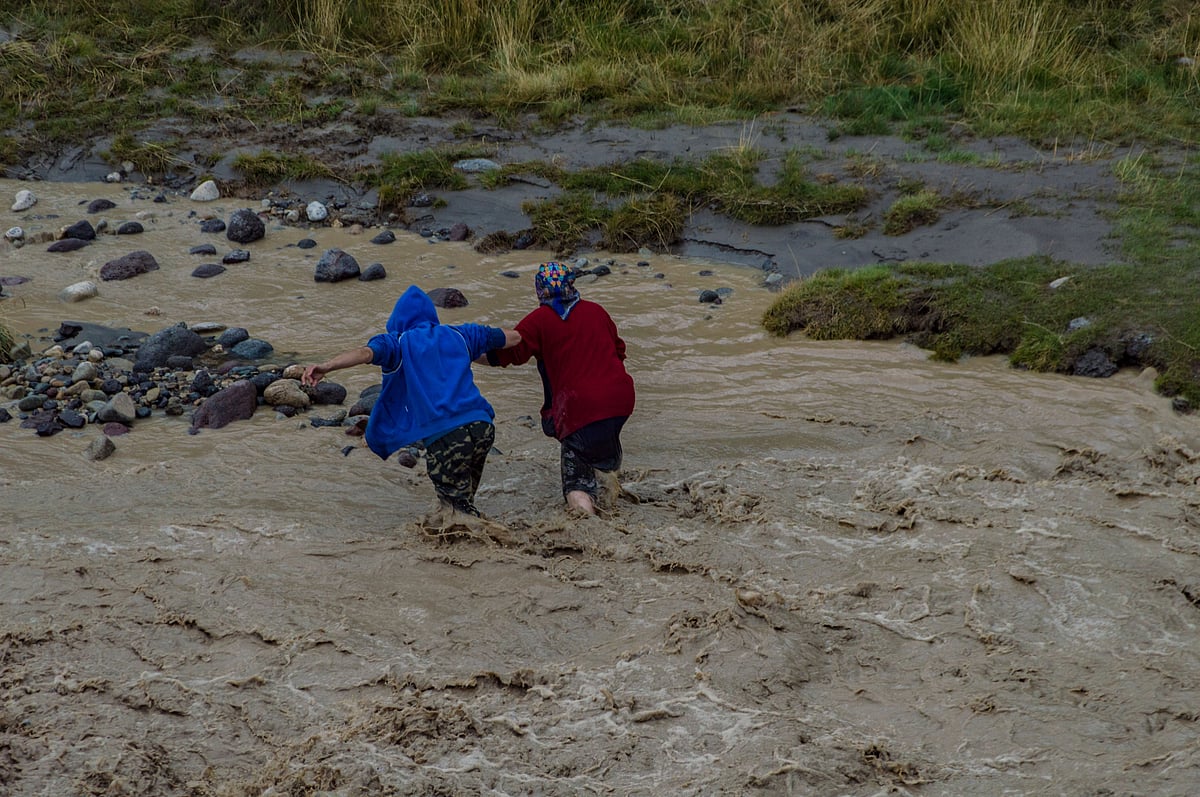
Throughout history, whenever disasters strike, whether called floods, earthquakes, famines, or pandemics, the same question arises: will the rest of humanity respond, or will it remain indifferent?
The text emphasizes that standing by people during times of disaster is considered a significant act of worship. It poses a rhetorical question about human response to calamities, implying that a compassionate and supportive reaction is the desired and virtuous path. The core message highlights the importance of empathy and collective action in the face of suffering.
This narrative frames humanitarian aid during crises as a religious duty, suggesting a moral imperative for collective action. It implicitly critiques indifference by posing a question about societal response. The framing encourages a proactive, empathetic stance, aligning charitable acts with spiritual fulfillment. This perspective can mobilize communities by appealing to shared values, though it's important to also consider secular motivations and systemic approaches to disaster preparedness and relief.
AI-generated to prompt reflection — not editorial opinion, not advice, not a statement of fact. How this works.