Helping Your Cats Cope with Stress During a Move
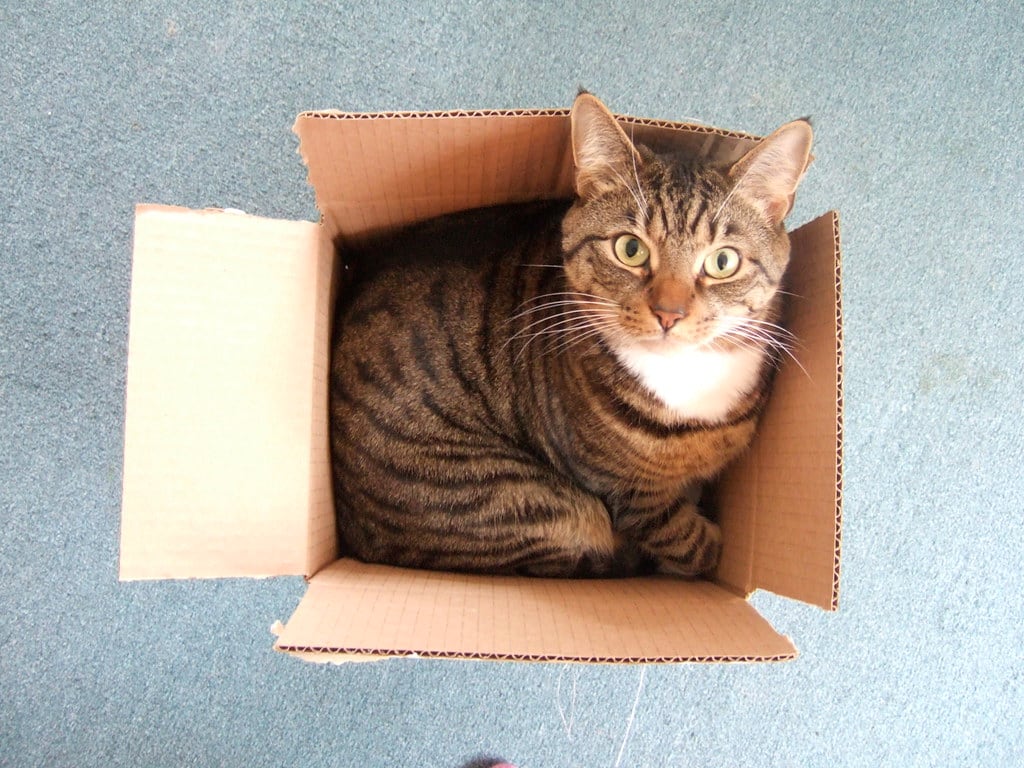
Moving to a new home can significantly alter a pet's behavior, and cats are particularly susceptible to stress during such transitions. It's crucial to understand the potential impacts on feline companions and implement strategies to mitigate their anxiety. Providing a safe and familiar environment is paramount, even amidst the chaos of packing and unpacking. This includes ensuring their basic needs for food, water, and litter boxes are met promptly in the new location. Gradual acclimatization to new sounds, smells, and spaces can help cats feel more secure. Owners should also be patient and observant, recognizing signs of stress such as hiding, changes in appetite, or unusual vocalizations. Offering comfort and reassurance through gentle interaction can make a significant difference. Planning ahead by preparing a dedicated 'safe room' for the cat upon arrival can greatly ease the adjustment period. This room should contain their familiar belongings, such as their bed, toys, and scratching posts, allowing them a sanctuary. Minimizing exposure to loud noises and excessive activity during the move itself is also beneficial. Ultimately, a proactive and empathetic approach is key to ensuring a smoother transition for cats during a relocation.
Relocation presents a significant environmental shift for domestic animals, particularly felines, whose territorial instincts can amplify stress responses. Understanding the behavioral impacts on pets during such transitions highlights the importance of owner preparedness and empathetic care strategies. Future considerations for pet well-being in increasingly mobile human societies may involve developing standardized protocols or technological aids to facilitate smoother animal acclimatization. This event underscores the interconnectedness of human lifestyle changes and animal welfare, prompting a broader discussion on responsible pet ownership in dynamic living situations.
AI-generated to prompt reflection — not editorial opinion, not advice, not a statement of fact. How this works.