Hepatitis A Cases in São Paulo Surge Past 2025 Total in First Half of Year
The state of São Paulo has experienced a significant rise in Hepatitis A cases, with 1,880 recorded in the first half of the current year, already exceeding the total of 1,663 cases reported for all of 2025. This marks a continuation of an upward trend observed since 2022, when only 294 cases were registered. In contrast, cases of Hepatitis B and C are declining in the state; Hepatitis B saw a 14.6% decrease from 2,488 cases in 2022 to 2,124 in the current year, while Hepatitis C dropped by 20.1%, from 3,405 to 2,722 over the same period.
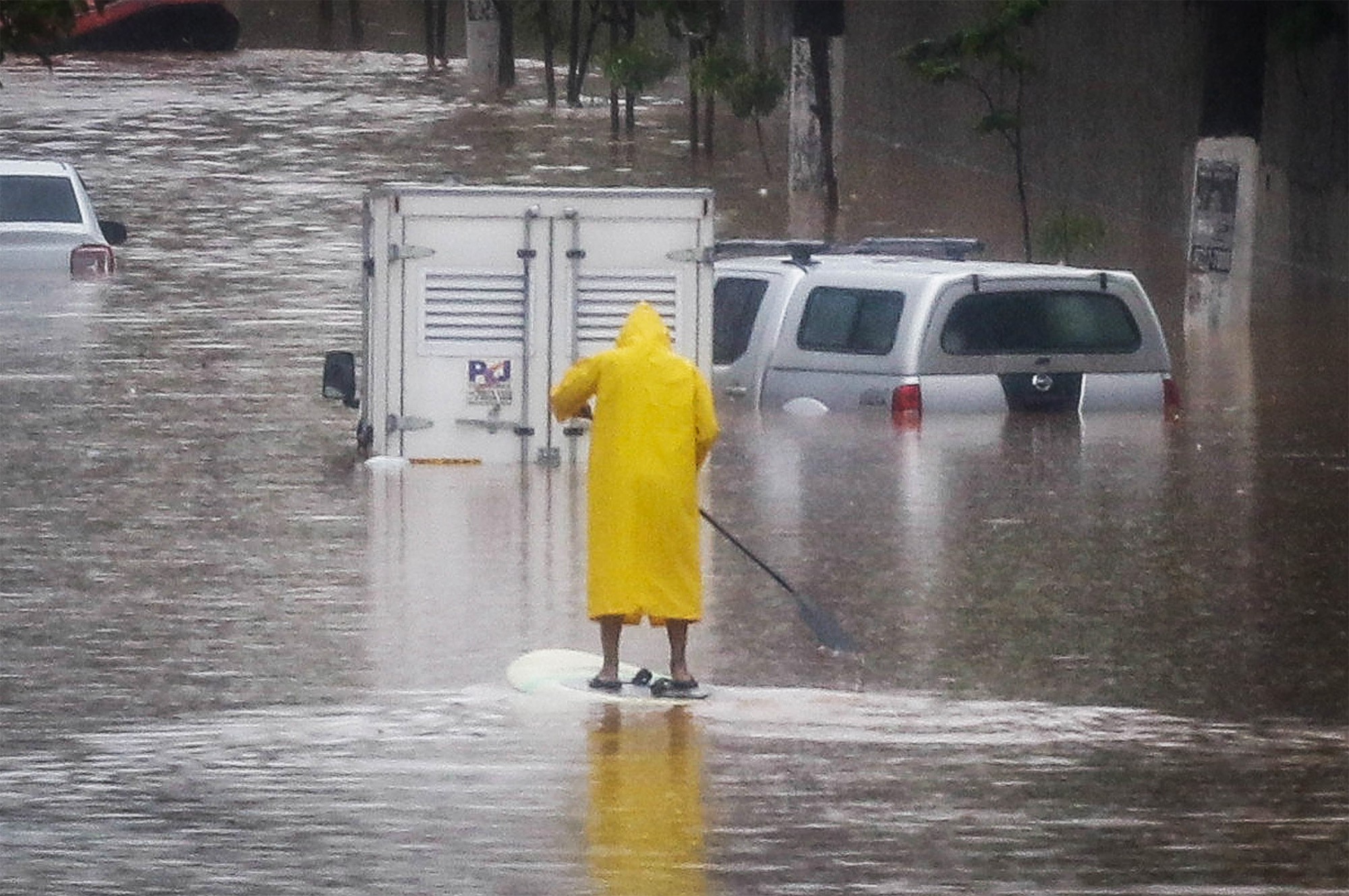
Hepatitis A, an infection transmitted primarily through fecal-oral routes due to poor hygiene and sanitation or sexual contact, is seeing this consistent growth, according to Alessandra Lucchesi, director of the State Health Secretariat's Division of Waterborne and Foodborne Diseases. Contributing factors include contaminated water from floods, consumption of tainted food and water, shared needles, and sexual practices that facilitate fecal-oral transmission. The current case numbers even surpass those recorded during the 2017 Hepatitis A epidemic in the state, prompting concerns of a potential epidemic year, though the situation is not yet classified as such statewide, with concentrated outbreaks in regions like Ribeirão Preto.
Guarulhos in the Greater São Paulo area has been a focus for health authorities due to a Hepatitis A outbreak, though recent data suggests a downward trend. The municipality is monitoring the situation, with water contamination suspected as a primary cause. Measures include intensified epidemiological surveillance, public awareness campaigns, case investigation, and selective vaccination. Prevention strategies emphasize vaccination, with the Hepatitis A vaccine part of the SUS infant calendar at 15 months and available for specific adult groups. Basic hygiene practices, such as handwashing and consuming water from known sources, are also crucial. During 'Julho Amarelo' (Yellow July), a campaign month for viral hepatitis awareness, various municipalities are intensifying prevention, vaccination, and testing efforts.
The sharp increase in Hepatitis A cases in São Paulo, particularly when contrasted with declining rates of Hepatitis B and C, highlights the impact of environmental and public health infrastructure on disease transmission. Factors such as contaminated water from extreme weather events and inadequate sanitation, as cited by health officials, suggest systemic vulnerabilities that require robust, long-term investment in water and sewage systems, alongside targeted public health interventions. The concentration of cases in specific regions and the identification of outbreaks in municipalities like Guarulhos underscore the need for localized, data-driven public health responses. While vaccination remains a key preventive measure, its effectiveness is amplified when coupled with improved living conditions and widespread access to clean water and sanitation, particularly in vulnerable communities. The situation prompts consideration of how climate change and urbanization may exacerbate such public health challenges in the coming decade, necessitating adaptive strategies that integrate environmental resilience with public health preparedness.
AI-generated to prompt reflection — not editorial opinion, not advice, not a statement of fact. How this works.