Hepatitis E and A Spread Through Contaminated Food and Water in Bangladesh
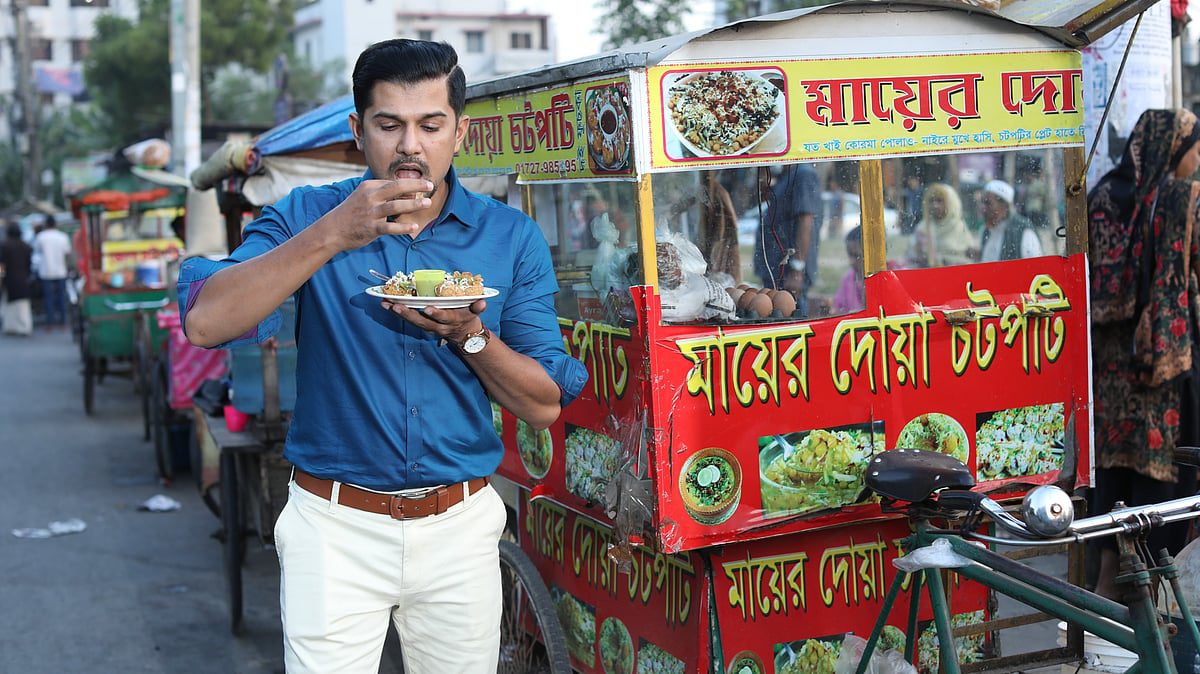
Hepatitis viruses are prevalent in the environment, particularly in food and water sources in Bangladesh, leading to jaundice with minimal carelessness. Hepatitis E accounts for 37% of waterborne jaundice hospitalizations in the country, while Hepatitis A affects approximately 27% of at-risk individuals. The high transmission rates of Hepatitis A and E are exacerbated during warmer months and the monsoon season. This surge is attributed to urban waterlogging during monsoons, which causes sewage lines to mix with water supply pipelines, contaminating drinking water. Additionally, increased consumption of unsafe street beverages like juices and sugarcane drinks by outdoor workers during hot weather contributes to the spread. Poor waste management and a lack of sanitary toilets in densely populated and impoverished areas further worsen the situation. Contrary to popular belief, Hepatitis A and E can have severe consequences, including liver failure and death, especially in pregnant women. A 2016 study identified Hepatitis E infection during pregnancy as a significant risk factor for maternal mortality in Bangladesh. To prevent infection, individuals should avoid open, unsafe beverages and always drink purified water. Water at home must be boiled, cooled, and stored in clean containers, with boiled water recommended for washing during monsoon season. Street vendors selling juices, sugarcane drinks, and other iced beverages are significant sources of infection, as are restaurants that may use contaminated water for washing dishes and produce. Consumers should also be cautious about the purity of bottled water. In flood-affected areas, providing safe drinking water or implementing water purification measures is crucial. Promoting good hygiene practices, such as regular handwashing with soap, from childhood and making hygiene education mandatory in schools are essential preventive measures.
The prevalence of Hepatitis A and E in Bangladesh highlights systemic challenges in public health infrastructure, particularly concerning water sanitation and waste management. The cyclical increase in infections during monsoon and hot seasons points to vulnerabilities in urban planning and disaster preparedness, where infrastructure failures like sewage-water line contamination become predictable risks. The disproportionate impact on pregnant women underscores the need for targeted public health interventions and emphasizes that seemingly common illnesses can have severe, life-threatening outcomes, necessitating a re-evaluation of public perception and healthcare priorities. Future strategies should focus on resilient infrastructure, robust waste disposal systems, and sustained public hygiene education campaigns to mitigate these recurring public health crises.
AI-generated to prompt reflection — not editorial opinion, not advice, not a statement of fact. How this works.