Herbal Teas: Benefits, Risks, and Safe Consumption
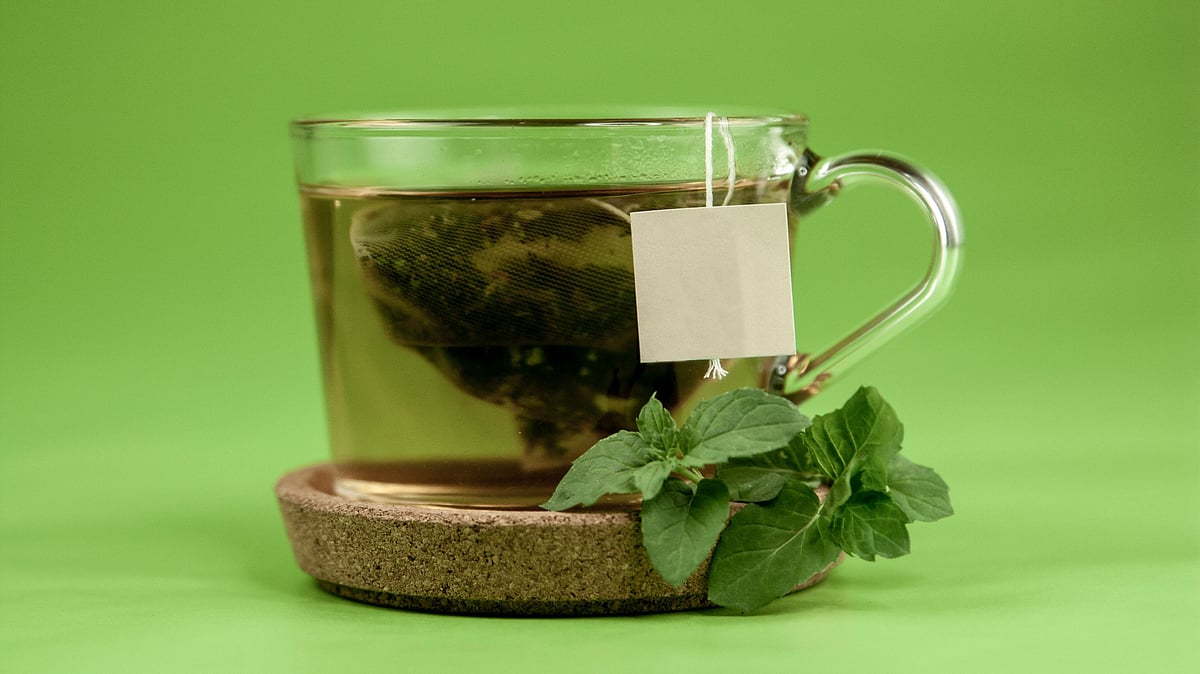
Herbal teas, once a niche beverage, have gained significant popularity among health-conscious individuals over the past decade, appearing in cafes and on social media. People consume them for various reasons, including weight management, improved sleep, and enhanced immunity. These teas are infusions made from various herbs, flowers, leaves, fruits, or spices, and often contain little to no caffeine, unlike traditional tea. Common varieties include ginger, peppermint, chamomile, lemongrass, hibiscus, tulsi, and cinnamon teas. Ginger tea may aid digestion and alleviate nausea, while peppermint tea is known for relieving indigestion. Chamomile tea is often consumed for its calming effects and to promote sleep, and hibiscus tea has been linked in some studies to blood pressure regulation. Tulsi and lemongrass teas are thought to boost freshness and overall well-being.
The growing popularity of herbal teas highlights a societal shift towards natural remedies and preventative health measures. While these beverages are often perceived as inherently safe due to their natural origins, it is crucial to acknowledge that herbal ingredients contain active compounds that can elicit physiological responses and potential side effects. This necessitates a nuanced approach, moving beyond a simplistic 'natural equals safe' heuristic. Consumers, particularly those with pre-existing health conditions or on medication, should consult healthcare professionals before incorporating significant amounts of herbal teas into their diet. The market for specialized teas, such as 'detox' or 'slimming' blends, warrants careful scrutiny regarding ingredient transparency and efficacy. Ultimately, herbal teas can be a beneficial addition to a healthy lifestyle, but they should be consumed mindfully, in moderation, and as part of a holistic approach to wellness that prioritizes balanced nutrition, hydration, exercise, and sleep, rather than being viewed as a singular solution.
AI-generated to prompt reflection — not editorial opinion, not advice, not a statement of fact. How this works.