Hero Dog Alerts Owner, Leading to Rescue of Canine Trapped in Jundiaí Sewer
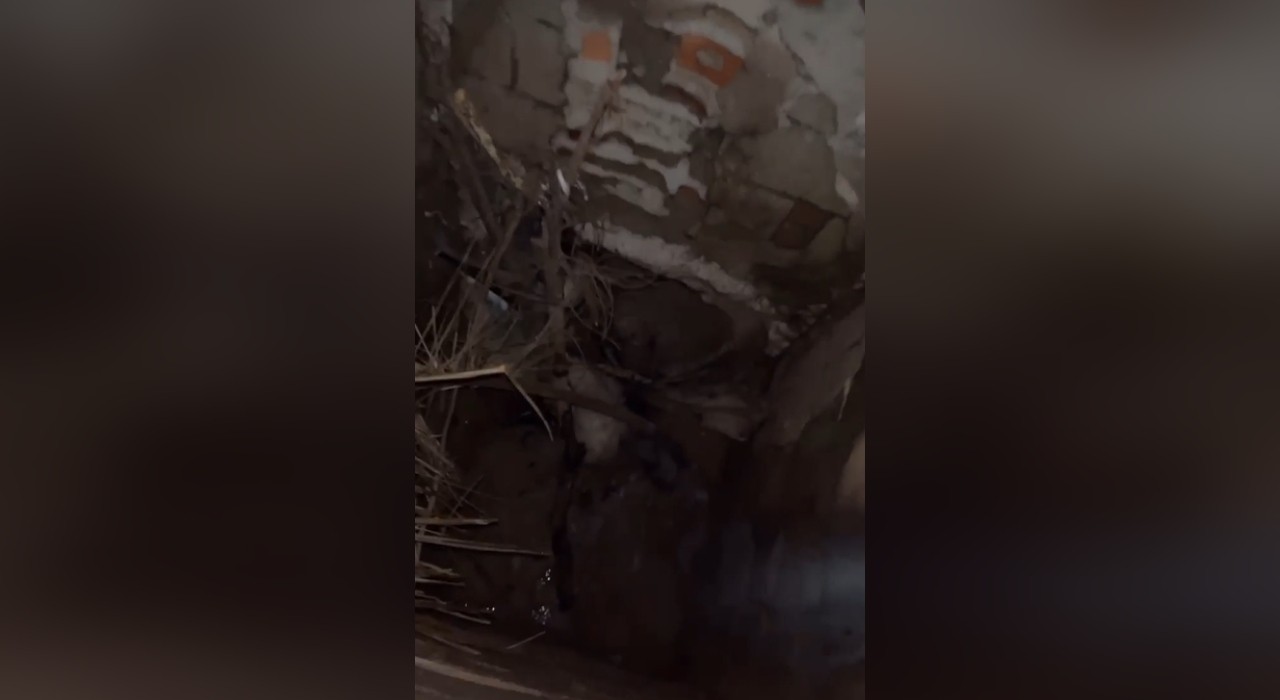
A routine evening walk in Jundiaí, São Paulo, turned into a remarkable rescue operation on Saturday, November 4th, thanks to the heroic actions of a dog named Bruce. Bruce persistently alerted his owner, Matheus Henrique Calixtro, to a distressed dog trapped inside a sewer grate in the Cidade Nova 1 neighborhood. Bruce refused to continue their walk until Calixtro investigated, ultimately discovering the trapped animal. The rescued dog was found covered in filth, emitting a strong odor, and confined within the sewage pipe. It showed signs of severe hunger, thirst, and exhaustion but thankfully no visible injuries. Firefighters were called to the scene and successfully extricated the trapped canine. Following the rescue, Calixtro temporarily took the dog into his care, providing it with a bath, food, water, and a sheltered place to rest. However, Calixtro stated that due to financial and space limitations, he cannot permanently adopt the dog. He also noted that municipal authorities informed him that Jundiaí's government does not offer an immediate shelter service for such cases. Consequently, Calixtro has launched a significant social media campaign to find a suitable permanent home for the rescued dog.
This incident highlights the remarkable sensory capabilities and social bonds within canine species, demonstrating how animal intuition can directly facilitate human intervention in emergencies. The situation also exposes potential gaps in municipal animal welfare infrastructure, specifically the absence of immediate shelter services for rescued strays. This presents a systemic challenge for local governments, balancing resource allocation with public safety and animal welfare mandates. The reliance on individual citizens and social media for post-rescue care and adoption underscores the evolving role of community engagement in addressing societal needs, while also raising questions about the sustainability and equity of such informal support systems in the long term. Future considerations could involve exploring public-private partnerships or community-led initiatives to bolster emergency animal rescue and sheltering capabilities.
AI-generated to prompt reflection — not editorial opinion, not advice, not a statement of fact. How this works.