Hesse Reports Lower Sick Leave Rates in First Half of Year, DAK Finds
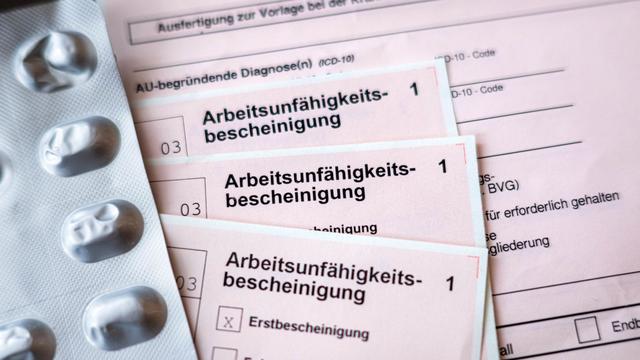
Health insurer DAK-Gesundheit has reported a decrease in sick leave days among employees in the German state of Hesse during the first half of 2023. The number of sick days per employee fell by 1.1% compared to the same period in the previous year. This trend indicates a potential improvement in employee health or a change in reporting practices. The DAK's report analyzes data from its insured members across Hesse, providing insights into the region's workforce health.
Specifically, the average number of sick days per insured person decreased to 8.5 days in the first six months of 2023, down from 9.4 days in the first half of 2022. This represents a significant, albeit small, reduction in overall absenteeism. The DAK attributes this decline to various factors, including a potential decrease in respiratory illnesses compared to the previous year, which was heavily impacted by COVID-19. The data suggests a return to pre-pandemic health patterns for some segments of the workforce.
The reported decrease in sick leave days in Hesse, as documented by DAK-Gesundheit, may reflect a normalization of health patterns following the acute phase of the COVID-19 pandemic. While a reduction in absenteeism is generally positive for productivity and employee well-being, it is crucial to analyze underlying causes. Factors such as improved public health measures, a potential decline in seasonal illnesses, or shifts in workplace culture regarding reporting minor ailments could contribute. Employers and policymakers should consider whether this trend indicates genuine improvements in workforce health or a potential underreporting of illnesses, which could have long-term consequences for employee health and productivity. Understanding these dynamics is key to fostering a sustainable and healthy work environment.
AI-generated to prompt reflection — not editorial opinion, not advice, not a statement of fact. How this works.