Hesse's High Stork Population: Understanding the Region's Density
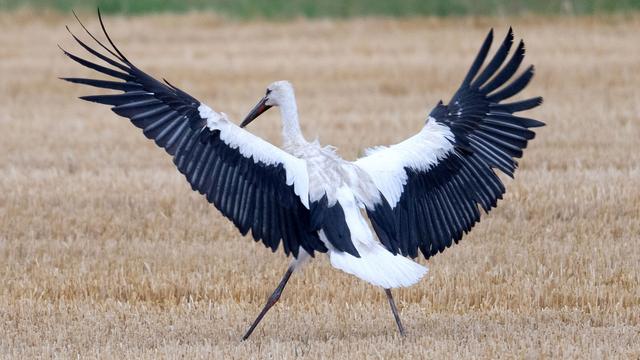
The German state of Hesse boasts a remarkably high density of storks, a phenomenon that has attracted considerable attention. This elevated population is attributed to a combination of favorable environmental factors and dedicated conservation efforts within the region. Hesse's landscape, characterized by diverse wetlands, meadows, and agricultural areas, provides an ideal habitat for these large birds. The availability of abundant food sources, such as amphibians, insects, and small mammals, is crucial for supporting a thriving stork population.
Furthermore, extensive conservation programs implemented by local authorities and environmental organizations have played a significant role. These initiatives often focus on protecting nesting sites, creating suitable breeding grounds, and ensuring the availability of water bodies. The success of these measures is evident in the continuously growing numbers of storks observed in Hesse. The region's commitment to preserving natural habitats and actively supporting wildlife has made it a sanctuary for these iconic birds, contributing to their overall population health and distribution across Germany.
Hesse's success in fostering a high stork population highlights the impact of targeted environmental stewardship and habitat management. The region's dense stork numbers suggest that specific ecological conditions, coupled with proactive conservation initiatives, can effectively reverse population declines and create thriving wildlife havens. This case study offers valuable insights into sustainable land-use practices and the importance of biodiversity corridors for species recovery. Examining the long-term viability of these conservation strategies, particularly in the context of climate change and evolving agricultural landscapes, will be crucial for ensuring the continued success of such ecological restoration efforts.
AI-generated to prompt reflection — not editorial opinion, not advice, not a statement of fact. How this works.