Hessen Care Home Residents Face Rising Personal Costs
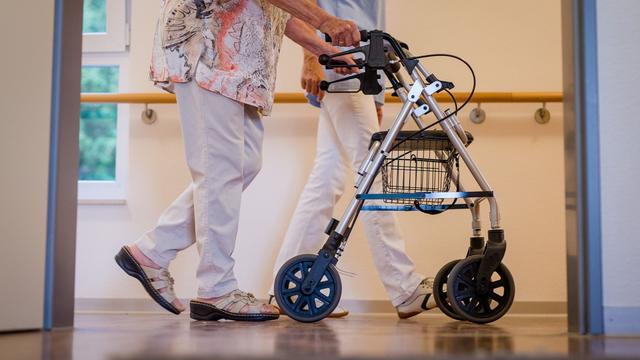
Residents in care homes across the German state of Hessen are experiencing increasing personal financial burdens. The self-paid portion of care costs is continuing to rise, placing a greater strain on individuals and their families. This trend indicates a growing challenge for long-term care affordability within the region. The specific figures and the rate of increase have not been detailed in the provided information, but the upward trajectory is clear. This development raises concerns about accessibility and sustainability of care services for the elderly and those requiring long-term support in Hessen. Further details on the contributing factors and potential policy responses are needed to fully understand the implications for residents and the care sector.
The escalating personal costs for care home residents in Hessen highlight a systemic challenge in funding long-term care. This trend may reflect a combination of rising operational expenses for care facilities and potentially insufficient public subsidies or evolving reimbursement models. As demographic shifts lead to an aging population, the sustainability of current care financing structures comes under pressure. Policymakers face the complex task of balancing the need for quality care with affordability, exploring options such as increased public investment, efficiency improvements within the care sector, or innovative funding mechanisms to ensure long-term care remains accessible without disproportionately burdening individuals.
AI-generated to prompt reflection — not editorial opinion, not advice, not a statement of fact. How this works.