Hezbollah Resists Disarmament Amidst Israeli Occupation Concerns in Southern Lebanon
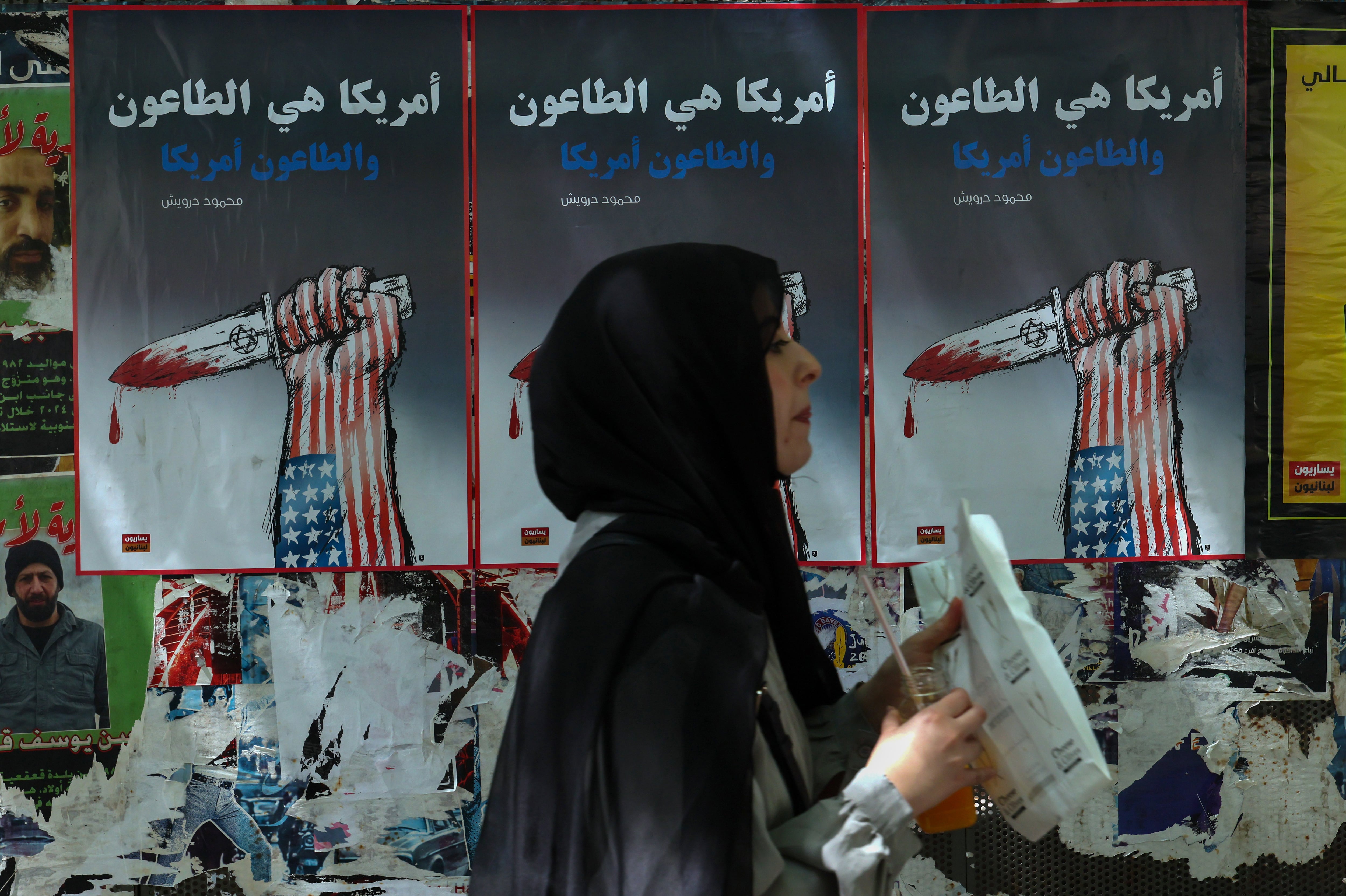
The powerful Lebanese militia Hezbollah is reportedly resisting calls for disarmament, a stance complicated by the Israeli government's insistence on occupying southern Lebanon. This situation directly impacts the potential for disarming the pro-Iranian movement. The ongoing tensions and the potential for continued Israeli military presence create a challenging environment for any disarmament initiatives. Hezbollah's control over its weaponry is seen as integral to its social and political influence within Lebanon. The Lebanese government faces a delicate balancing act, attempting to navigate the demands for disarmament while addressing security concerns related to its neighbor. The pro-Iranian movement's reluctance to relinquish its arms is a significant hurdle in achieving regional stability. The dynamics between Hezbollah, the Lebanese government, and the Israeli administration are crucial in understanding the future of the region. The outcome of these negotiations and military postures will likely shape the security landscape for years to come.
The reported resistance of Hezbollah to disarmament, linked to Israeli occupation concerns in southern Lebanon, highlights a complex geopolitical standoff. From a systems perspective, Hezbollah's arsenal serves as a critical component of its leverage and influence, both domestically and regionally. The Israeli government's actions, if perceived as a threat to Lebanese sovereignty or stability, could inadvertently reinforce the rationale for maintaining armed capacity among non-state actors. This dynamic suggests a potential feedback loop where security anxieties on both sides may impede diplomatic resolutions. Future analyses should consider the evolving regional power structures and the potential for technological advancements to alter the balance of deterrence, prompting a re-evaluation of conventional security paradigms.
AI-generated to prompt reflection — not editorial opinion, not advice, not a statement of fact. How this works.