Hidden Buddhist Symbols in Chinese Da A Fu Figurines
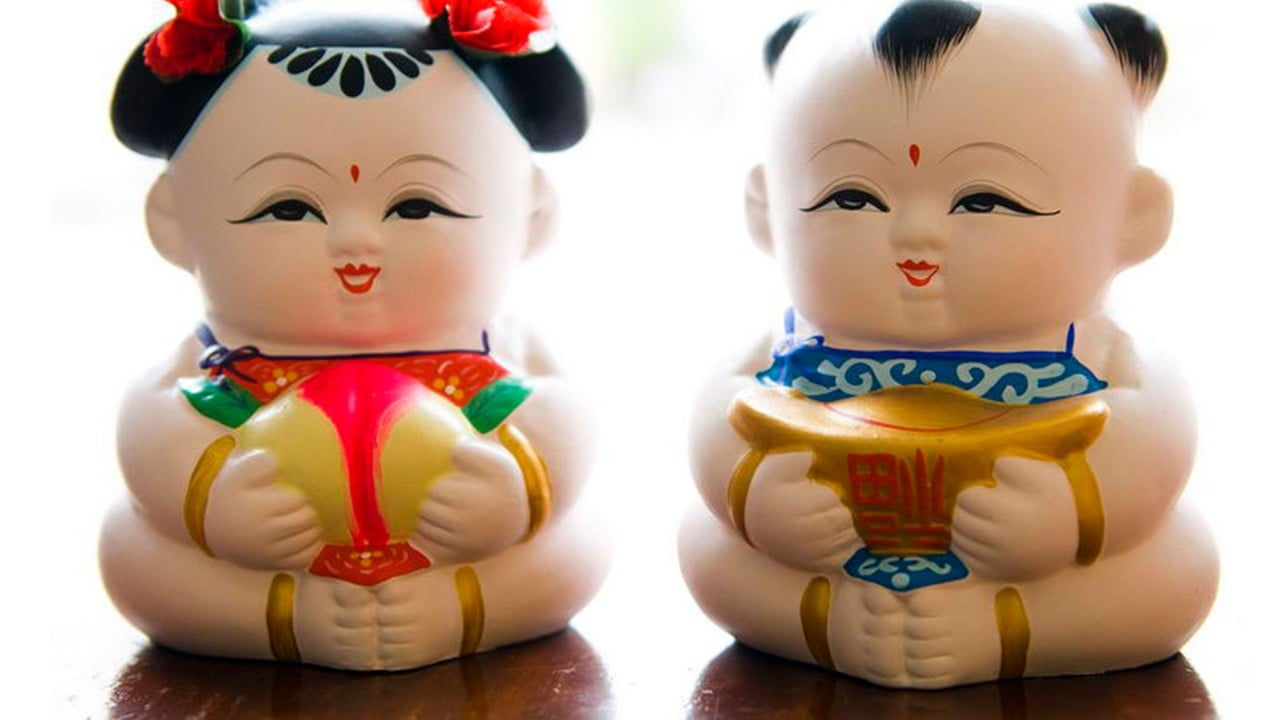
Da A Fu dolls, known for their cheerful appearance, are cherished symbols of good fortune and significant icons of Chinese cultural heritage. These figurines are traditionally made from clay, representing a prime example of Huishan claywork, an art form with roots in the Ming dynasty (1368–1644). The Huishan claywork tradition was among the first to be recognized on China's National List of Intangible Cultural Heritage, highlighting its historical and artistic importance. The article explores the less obvious Buddhist symbolism embedded within these popular figurines. While outwardly appearing as simple representations of joy and prosperity, the Da A Fu dolls carry deeper spiritual meanings connected to Buddhist iconography. These symbols, though not always apparent to the casual observer, reveal a rich layer of religious and philosophical thought integrated into Chinese folk art. The craftsmanship and enduring popularity of these figurines underscore their role as a vital link to China's past and its evolving cultural landscape.
The Da A Fu figurines serve as a fascinating intersection of folk art, cultural heritage, and religious symbolism. Their inclusion on China's National List of Intangible Cultural Heritage underscores the state's role in preserving and promoting cultural assets, potentially aligning with national identity narratives. The exploration of hidden Buddhist symbols within these figures suggests a complex interplay between popular culture and religious traditions, where spiritual concepts are integrated into secular iconography. This integration may reflect a societal tendency to absorb and adapt religious meanings into everyday life, or it could be a strategic element in cultural preservation efforts. Understanding these layered meanings offers insight into how cultural artifacts can simultaneously represent economic value, historical continuity, and evolving spiritual or philosophical underpinnings in contemporary China.
AI-generated to prompt reflection — not editorial opinion, not advice, not a statement of fact. How this works.