Hidden Dangers of Consuming Damaged Fruits and Vegetables
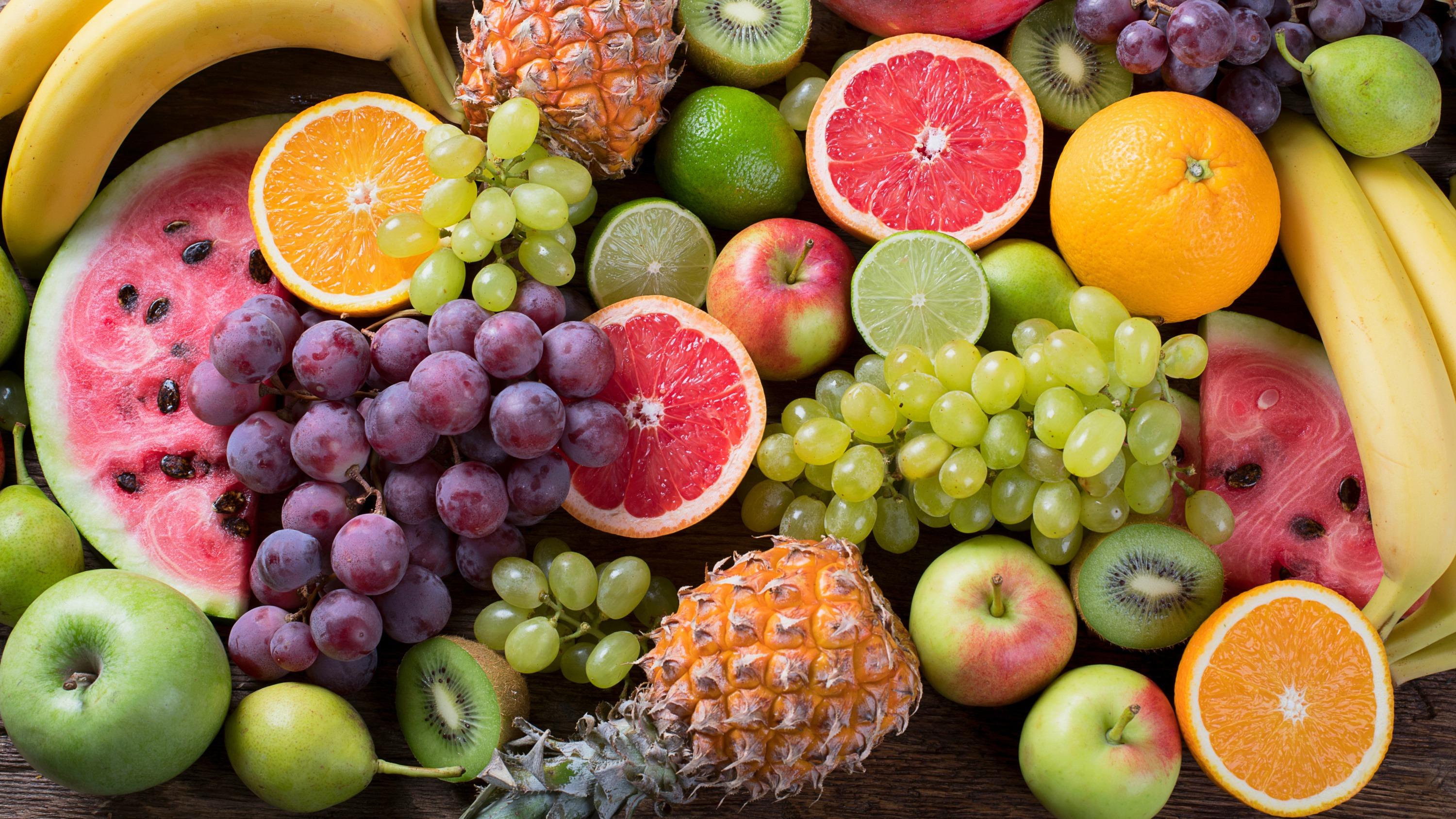
While the recommendation to eat five fruits and vegetables daily is widely known, it is crucial to ensure these items are healthy. Even minor blemishes on produce can conceal significant risks. Consuming damaged fruits and vegetables can lead to various health issues, including stomach pain, allergies, and potentially even cancers. These adverse effects stem from invisible dangers present in the spoiled parts of the food. Therefore, careful selection and inspection of fruits and vegetables are essential for maintaining good health. Prioritizing fresh, unblemished produce over damaged items is a vital step in preventing these unseen health threats. Consumers should be aware that the visual appearance of produce can be an indicator of underlying safety concerns.
The consumption of damaged produce highlights a critical intersection of food safety, public health recommendations, and consumer awareness. While dietary guidelines encourage fruit and vegetable intake, the potential for spoilage to introduce health risks necessitates a more nuanced approach to food selection. This situation underscores the importance of robust food supply chain oversight and consumer education regarding the identification and avoidance of contaminated or spoiled food items. Future food systems may benefit from enhanced spoilage detection technologies and clearer labeling standards to mitigate these invisible risks, ensuring that public health advice aligns with practical food safety realities.
AI-generated to prompt reflection — not editorial opinion, not advice, not a statement of fact. How this works.
