Hidden Kidney Danger: Over-reliance on Dipping Sauces During Meals
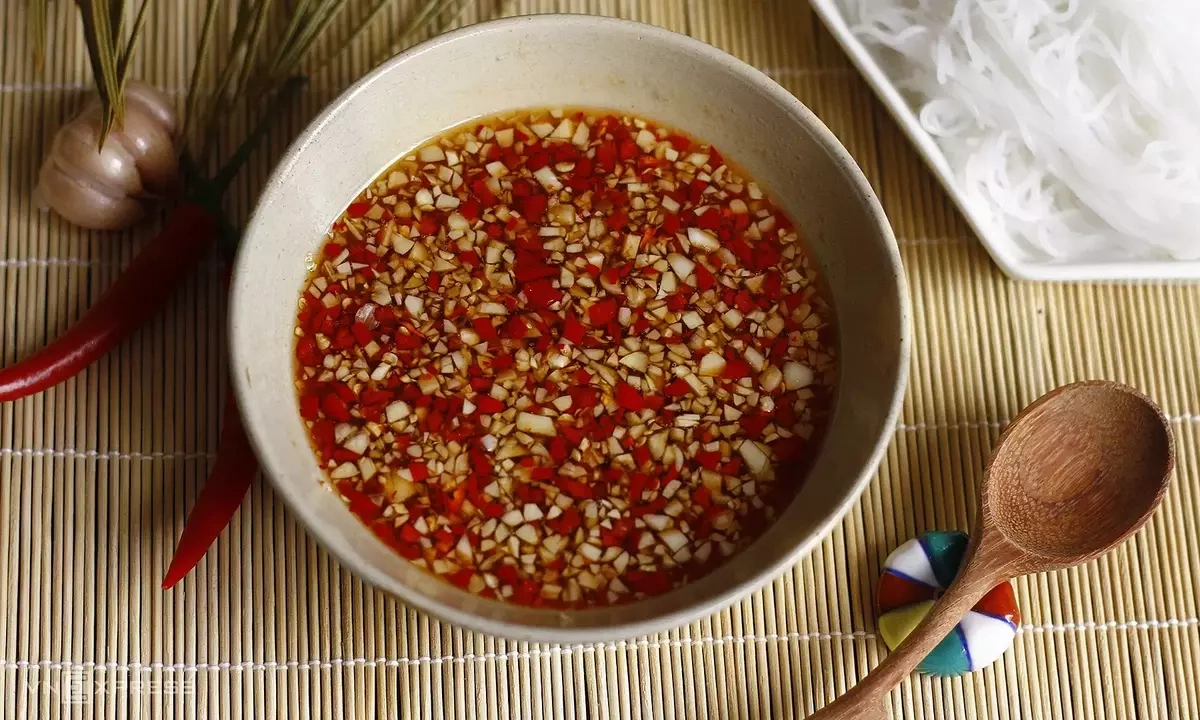
Many people habitually dip their food generously into sauces like fish sauce and soy sauce to enhance the flavor of their meals. However, this common practice can lead to excessive salt intake, placing an undue burden on the kidneys. The high sodium content in these popular condiments forces the kidneys to work overtime to filter and excrete the excess salt from the body. Over time, this sustained overexertion can significantly impair kidney function. Health experts advise moderation in the consumption of such sauces to protect kidney health. Awareness of the hidden salt content in everyday condiments is crucial for preventing long-term damage. Opting for lower-sodium alternatives or using sauces sparingly can make a substantial difference in maintaining healthy kidneys. This dietary habit, while seemingly innocuous, poses a serious risk to renal health if not managed.
The widespread cultural practice of heavily seasoning meals with dipping sauces, such as fish sauce and soy sauce, highlights a potential public health challenge. While intended to improve palatability, the high sodium content in these condiments can lead to chronic kidney strain. This situation presents a systemic issue where ingrained dietary habits may inadvertently contribute to long-term health consequences. Future public health initiatives could focus on educating consumers about the cumulative sodium load from such practices and promoting the availability and adoption of lower-sodium alternatives. Addressing this through a combination of consumer awareness campaigns and potentially industry-led reformulation could mitigate the risk of widespread renal impairment over the next decade, aligning with broader goals of preventative healthcare in an era increasingly focused on lifestyle-related diseases.
AI-generated to prompt reflection — not editorial opinion, not advice, not a statement of fact. How this works.