High-altitude national park features hundreds of bird species, guided-access areas
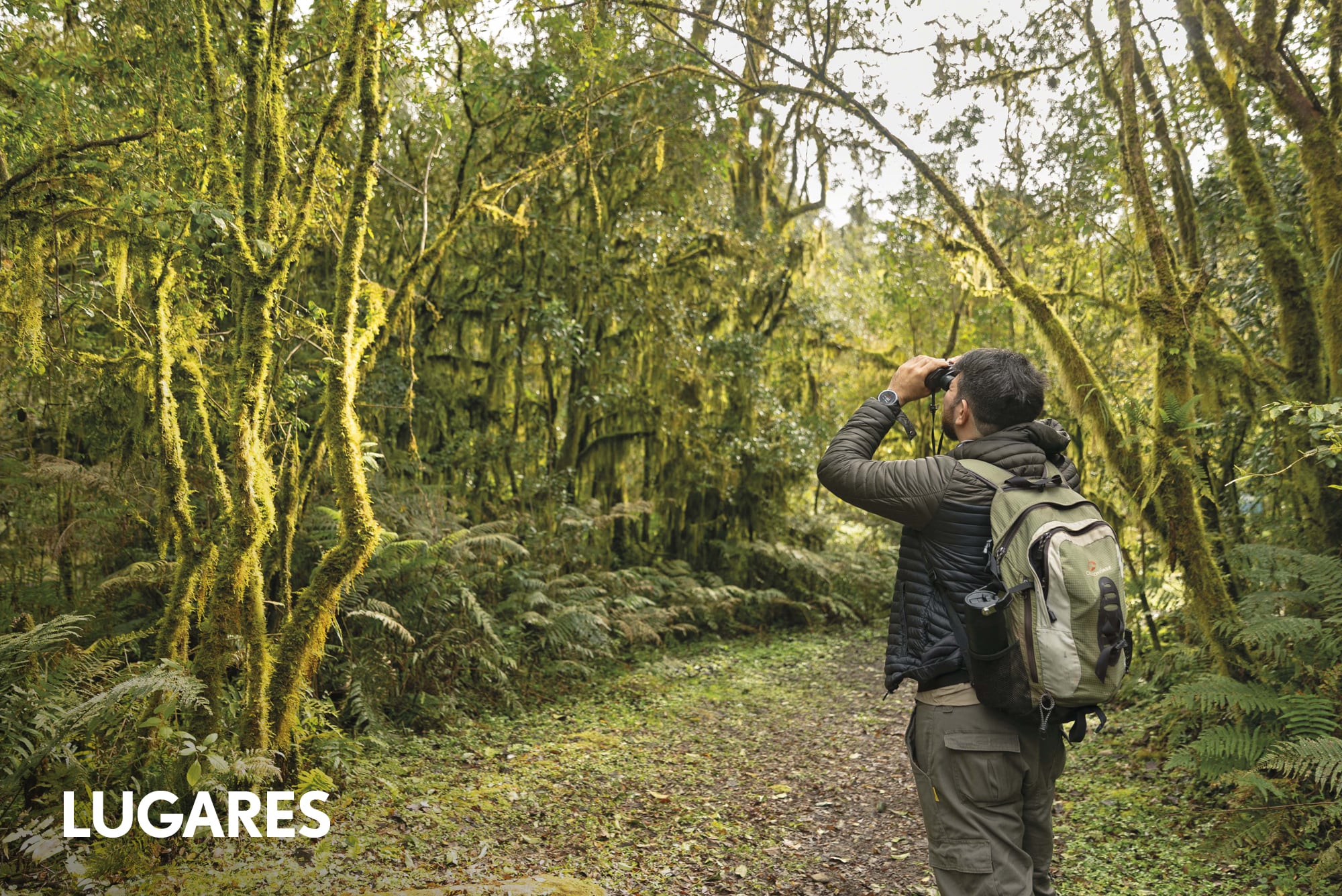
The Aconquija National Park, located in a high-altitude region, showcases an exuberant landscape guarded by snow-capped peaks. This protected area is home to hundreds of bird species, contributing to its rich biodiversity. Certain sectors within the park are accessible only with a guide, indicating areas that may require specialized knowledge or pose greater risks to navigate independently. The park's natural beauty and ecological significance are highlighted by its mountainous terrain and diverse avian population. These guided access zones likely serve to preserve fragile ecosystems or ensure visitor safety in challenging environments. The Aconquija National Park represents a significant natural reserve, emphasizing the importance of conservation efforts in such unique geographical settings. Its vastness and ecological richness offer opportunities for ecotourism and scientific research, while also necessitating careful management to protect its natural heritage. The presence of hundreds of bird species underscores the park's role as a vital habitat.
The designation of specific areas within Aconquija National Park as guide-only access suggests a deliberate strategy to balance conservation with public access. This approach likely stems from an assessment of environmental fragility or potential hazards in those zones. By requiring guides, park management can control visitor impact, ensure adherence to regulations, and provide educational context, thereby mitigating risks to both the ecosystem and individuals. Over the next decade, as climate change and increased tourism pressures potentially impact high-altitude environments, such managed access models may become increasingly crucial for preserving biodiversity and cultural landscapes. The park's governance will need to continuously adapt its strategies to address these evolving challenges, potentially leveraging technology for monitoring and visitor management while maintaining the integrity of its natural and cultural heritage.
AI-generated to prompt reflection — not editorial opinion, not advice, not a statement of fact. How this works.