High Court Criticizes Prosecutors for "Suppressing Evidence" in Retrial Murder Case
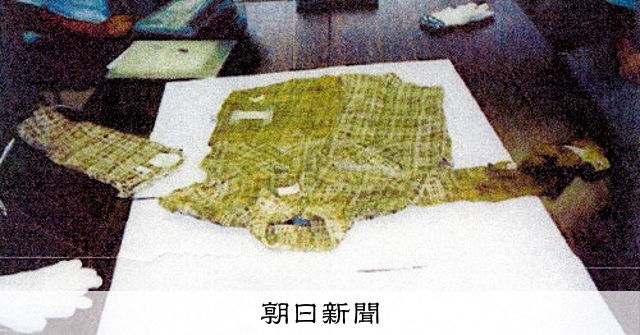
The Tokyo High Court has sharply criticized the prosecution for "suppressing evidence" in a murder case where the defendant was acquitted in a retrial. The court's ruling highlighted serious flaws in the original investigation and trial process. This criticism comes after the Tokyo High Court overturned the conviction of Iwao Hakamada, a former boxer, who had been on death row for 45 years.
During the retrial, new evidence emerged that cast significant doubt on Hakamada's guilt. The court found that the prosecution had withheld crucial evidence that could have exonerated him. This includes evidence related to the murder weapon and other forensic findings that were not presented during the initial trial. The high court's statement indicates a systemic failure within the justice system to ensure a fair trial.
The acquittal of Iwao Hakamada marks a historic moment in Japan's legal history, raising questions about the reliability of past convictions and the conduct of prosecutors. The court's strong rebuke underscores the importance of prosecutorial transparency and the duty to disclose all relevant evidence, especially in capital cases. This case is expected to lead to reforms aimed at preventing similar miscarriages of justice in the future.
The Tokyo High Court's strong rebuke of prosecutorial conduct in the Hakamada case highlights a critical tension between the state's pursuit of convictions and its fundamental duty to ensure justice. The alleged suppression of evidence, if proven, points to systemic vulnerabilities within the prosecution's office, potentially driven by institutional pressure to secure convictions or by individual misconduct. This event underscores the imperative for robust oversight mechanisms and a culture that prioritizes exculpatory evidence disclosure. Looking ahead, such incidents may accelerate reforms toward greater transparency in legal proceedings and potentially introduce more stringent accountability for prosecutorial offices, particularly in high-stakes cases. The long-term implications could involve a re-evaluation of evidence handling protocols and a strengthened role for defense counsel in ensuring due process.
AI-generated to prompt reflection — not editorial opinion, not advice, not a statement of fact. How this works.