High Court Questions Rules Allowing Local Representatives as School Governing Body Heads
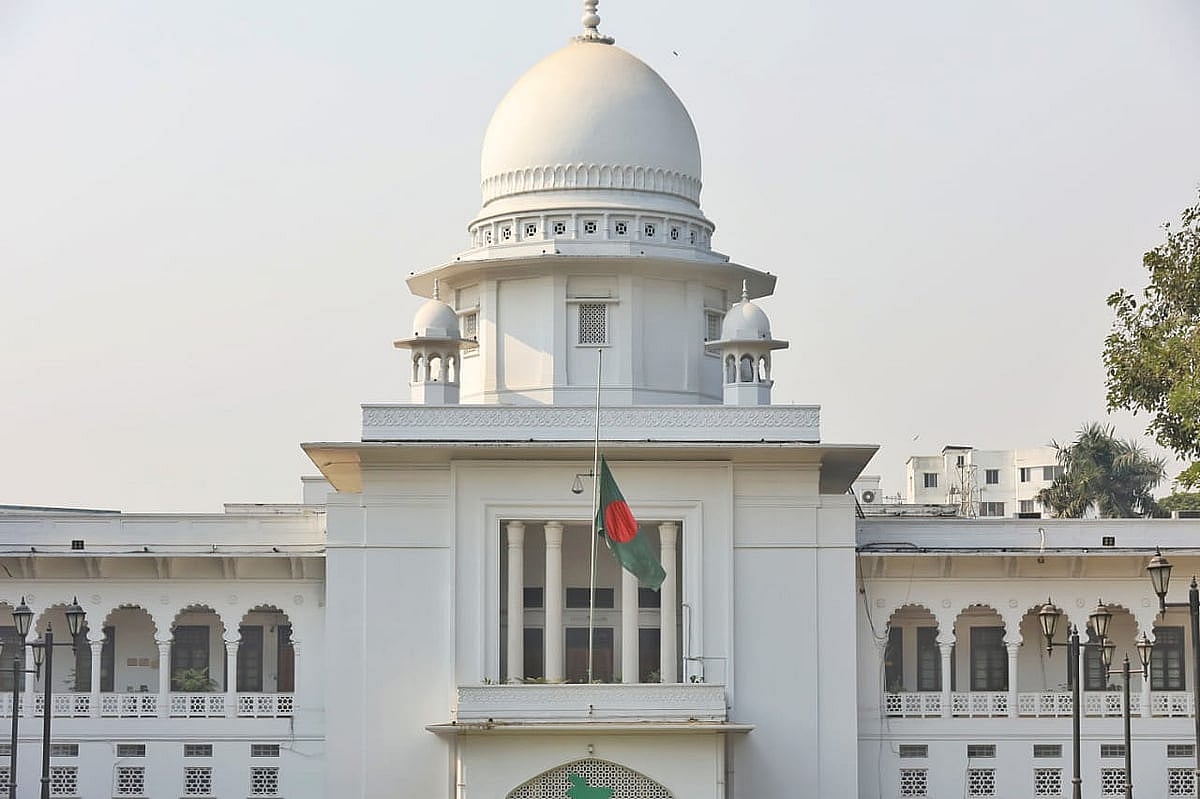
The High Court of Bangladesh has issued a rule questioning the legality of provisions that allow local elected representatives to be nominated as chairpersons of governing bodies for private educational institutions. The court asked why the existing rules, specifically Rule 7 of the 2024 regulations for governing bodies and managing committees, should not be amended or new regulations created to prevent individuals affiliated with political parties or holding political office from serving in these positions. The rule was issued by a bench comprising Justice Ahmed Sohel and Justice Fatema Anwar following an initial hearing on a writ petition filed by an aggrieved parent. The court seeks to understand why individuals with political ties should be disqualified from nomination or approval as chairpersons. Simultaneously, the High Court inquired why provisions should not be made to ensure the inclusion of recognized education enthusiasts, retired teachers, reputable social workers, freedom fighters, academics, lawyers, doctors, and other distinguished citizens in these committees. The existing Rule 7, formulated in 2024 for various education boards, mandates that the head of an educational institution consult with the local Member of Parliament to propose three names from categories including local representatives, first-class government or retired employees, education enthusiasts, or local renowned social workers to the education board. However, the order of names proposed does not confer any priority. The education board then selects one nominee as the chairperson. The writ petition challenging Rule 7 was filed last month by Md. Rubel Mia, a resident of Jamalpur and guardian of a ninth-grade student. The petitioner's legal counsel argued that the nomination of politically involved individuals as chairpersons often creates complications in the normal academic and administrative operations of institutions, raising concerns about transparency, accountability, and impartiality. The lawyer emphasized the need for measures to ensure the inclusion of acceptable and neutral individuals, free from political influence, to safeguard the institutions' integrity.
This legal challenge highlights a systemic tension between political representation and educational governance in Bangladesh's private sector. The court's inquiry probes whether current regulations adequately balance the desire for local input with the imperative of maintaining an impartial and effective educational environment, free from partisan influence. The core issue revolves around incentive structures: does the current nomination process, which permits political figures, inadvertently create conflicts of interest or detract from educational priorities? The analysis should consider the long-term implications for institutional autonomy and meritocracy in education, particularly in an era where governance models are increasingly scrutinized for their capacity to foster equitable development and adapt to evolving societal needs. The judiciary's role here is to prompt a review of the regulatory framework, encouraging a design that prioritizes educational outcomes and stakeholder trust over political expediency.
AI-generated to prompt reflection — not editorial opinion, not advice, not a statement of fact. How this works.