High Court Restricts Reporting in Utumishi Girls Murder Case
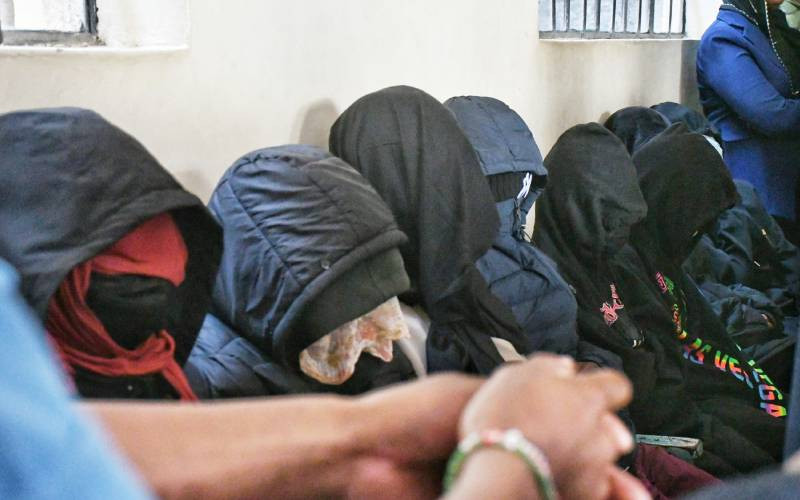
The High Court has implemented stringent media and courtroom reporting regulations for the ongoing Utumishi Girls murder trial. These measures are specifically designed to safeguard the privacy and well-being of the eight individuals implicated as child suspects. Additionally, the restrictions aim to protect the identities and welfare of child witnesses involved in the proceedings. The court's decision underscores a commitment to ensuring a fair trial while prioritizing the protection of minors within the justice system. This move reflects a growing awareness of the potential impact of media coverage on young individuals participating in high-profile legal cases. The specific details of the reporting restrictions have not been fully disclosed, but their primary objective is to prevent any undue harm or prejudice to the children involved.
The High Court's imposition of strict reporting rules in the Utumishi Girls murder trial highlights the complex interplay between public interest in criminal proceedings and the imperative to protect vulnerable minors. This judicial action seeks to balance the principles of open justice with the ethical obligations to shield child suspects and witnesses from potential harm, such as reputational damage or psychological distress. Such measures are increasingly relevant in the digital age, where information can spread rapidly and irreversibly. The long-term implications involve setting precedents for how the justice system navigates media access in cases involving children, potentially influencing future legal frameworks and journalistic practices to better accommodate the welfare of young individuals within the adversarial process.
AI-generated to prompt reflection — not editorial opinion, not advice, not a statement of fact. How this works.