High-Current Connectors: The Debate Over Soldering vs. Crimping
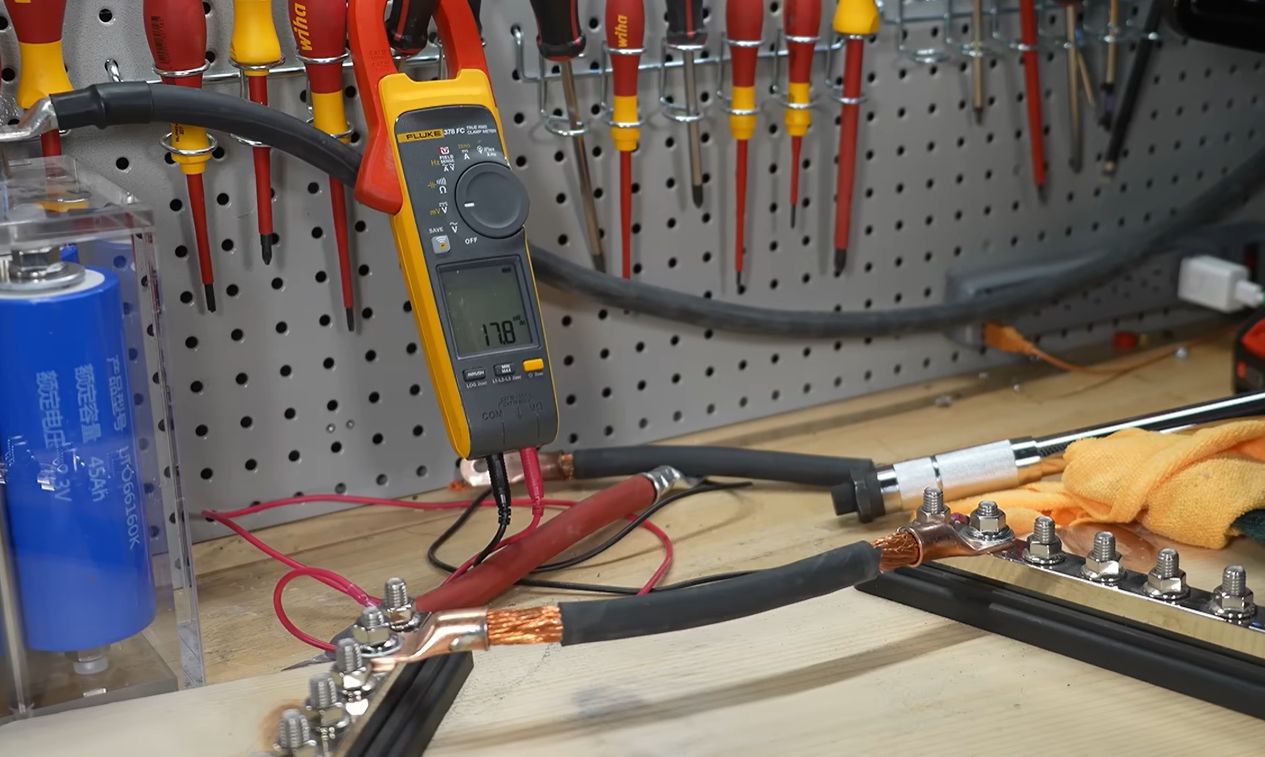
A discussion is ongoing regarding the best method for connecting high-current wiring, specifically whether to use crimped or soldered connections. Despite this debate, the established industry standard clearly favors crimped connections. This preference is rooted in the superior performance and reliability that crimping offers for high-amperage applications. Soldering, while sometimes perceived as a more robust method, presents significant drawbacks when dealing with the substantial heat generated by high currents. The expansion and contraction cycles caused by temperature fluctuations can lead to solder joint fatigue and eventual failure, compromising the integrity of the electrical connection. Crimped connections, on the other hand, create a mechanically strong bond that is more resilient to vibration and thermal stress. This makes them a safer and more dependable choice for applications where significant electrical current is involved. The industry's adherence to crimping reflects a consensus built on extensive testing and practical experience, prioritizing safety and long-term performance over less suitable alternatives.
The persistent debate over soldered versus crimped high-current connectors, despite a clear industry standard favoring crimping, highlights a potential disconnect between perception and established best practices. While soldering might intuitively seem more secure, its limitations under high thermal loads are well-documented. The industry's reliance on crimping suggests a pragmatic approach prioritizing mechanical integrity and thermal resilience, crucial factors for safety and longevity in high-power systems. This situation underscores the importance of adhering to standardized engineering principles, especially as electrical demands increase with evolving technologies. Future advancements may offer new connection methods, but current best practices, validated by industry experience, remain the benchmark for reliable high-current applications.
AI-generated to prompt reflection — not editorial opinion, not advice, not a statement of fact. How this works.