High-end condominium investigated for energy fraud in Brazil; one suspect arrested
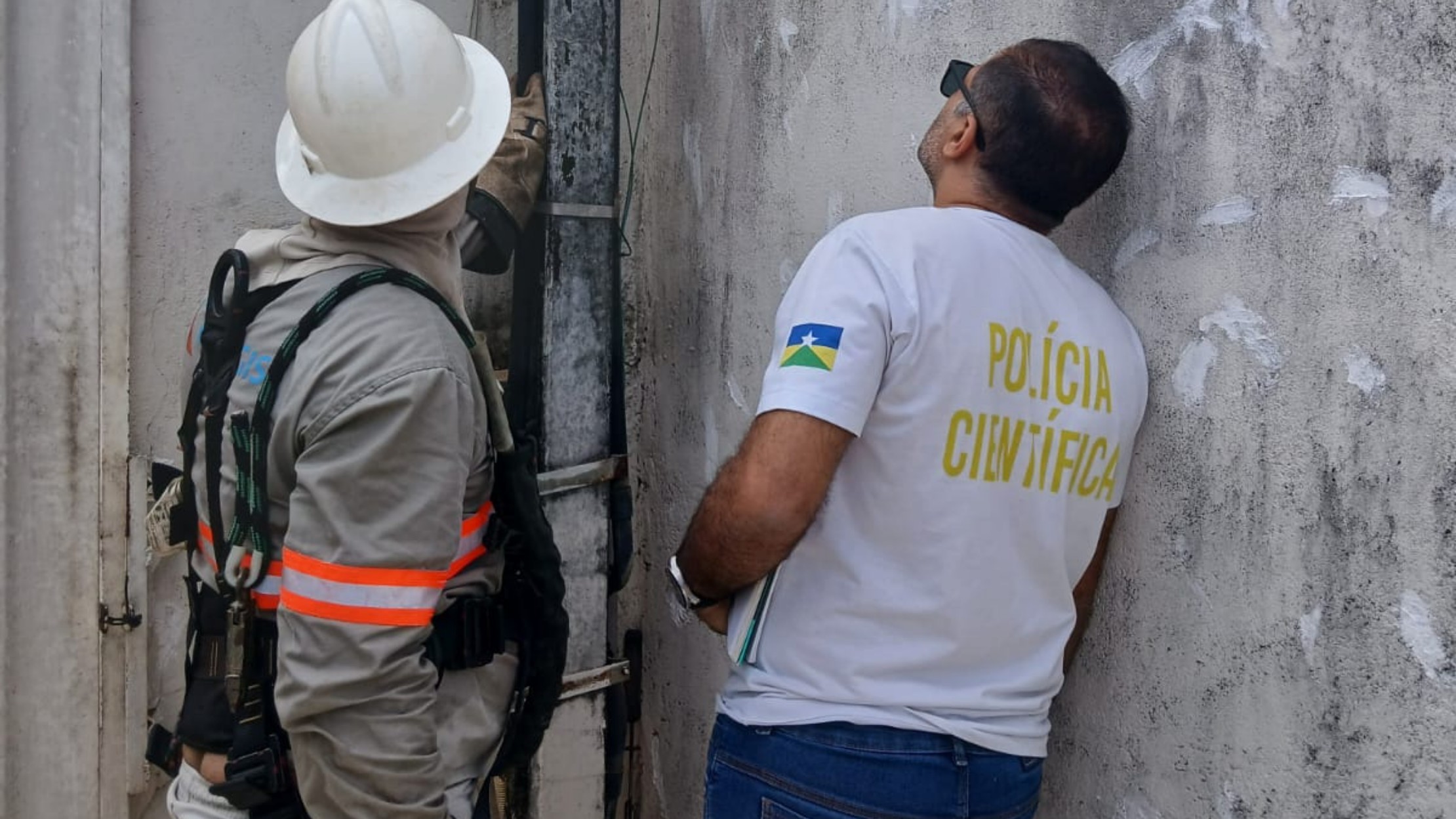
A police operation on Friday, November 10th, in Ji-Paraná, Rondônia (RO), Brazil, led to the arrest of one suspect for energy theft. The operation also targeted a high-end residential condominium for alleged energy consumption fraud. Authorities have not released the identity of the arrested suspect or the name of the condominium. The incident occurred in the Boa Esperança neighborhood. Energy company Energisa's teams detected an irregular connection at a property and alerted the Military Police and Technical-Scientific Police (Politec). Politec confirmed the fraud, and the suspect was taken to the Integrated Public Safety Unit (Unisp). During the operation, investigators also discovered irregularities within a condominium in the southern part of the city. In this complex, over 300 lighting points were found to be connected in a manner that bypassed the energy meter, meaning their consumption was not being registered. Politec conducted an inspection and verified the illegality. A police report was filed against the condominium. Energisa stated that clandestine connections and other forms of electricity fraud can lead to overloads, short circuits, fires, and accidents, in addition to being a criminal offense.
This event highlights the systemic risks associated with energy theft and fraud, particularly within affluent residential areas. The discovery of over 300 unmetered lighting points suggests a potentially widespread and organized bypass of legitimate energy consumption tracking. Such practices not only deprive the utility of revenue but also create significant safety hazards, including fire and electrical accidents, due to unmonitored loads. From a governance perspective, the investigation into the condominium points to potential failures in oversight or complicity within the property management structure. Looking ahead, the increasing sophistication of smart grid technologies and advanced metering infrastructure could offer more robust solutions for detecting and preventing such illicit activities, thereby ensuring grid stability and equitable cost distribution among consumers.
AI-generated to prompt reflection — not editorial opinion, not advice, not a statement of fact. How this works.