High ETF Fees Eat Into Investor Returns at Korean Banks
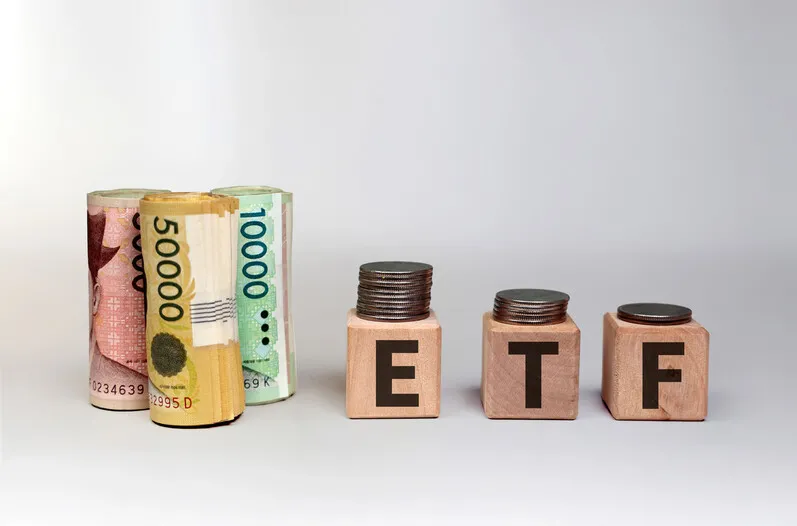
Investors in South Korea are expressing frustration over the substantial fees charged by banks for Exchange Traded Funds (ETFs). One investor reportedly earned 78 million won on an investment of 100 million won, but found that 17 million won of their profits were consumed by fees. This situation has led to questions about why bank-offered ETFs incur such high charges. The article highlights a significant discrepancy between the returns generated and the costs associated with managing these investments through traditional banking channels. Many investors are now questioning the value proposition of using banks for ETF investments given the substantial fee structure. The high fees are impacting the net gains for individuals who are actively trying to grow their wealth through the stock market. This concern is becoming a widespread issue among retail investors in South Korea.
The high fees associated with ETF products offered by traditional banks in South Korea suggest a potential misalignment between the banks' business models and the cost-effectiveness expected by retail investors in the current market. While banks provide a familiar and accessible platform, their operational overheads and fee structures may not be competitive compared to direct investment platforms or specialized ETF providers. This situation prompts an examination of the incentive structures for financial intermediaries; banks may be prioritizing revenue generation from service fees over maximizing net returns for their clients. As the financial landscape evolves with increasing digitalization and competition, traditional institutions face pressure to adapt their fee models to remain attractive to investors seeking greater value and transparency. Investors are increasingly empowered to seek out lower-cost alternatives, which could lead to a strategic re-evaluation of product offerings and fee strategies by banks in the coming years.
AI-generated to prompt reflection — not editorial opinion, not advice, not a statement of fact. How this works.