High-Scoring Matches Elevate World Cup Spectacle
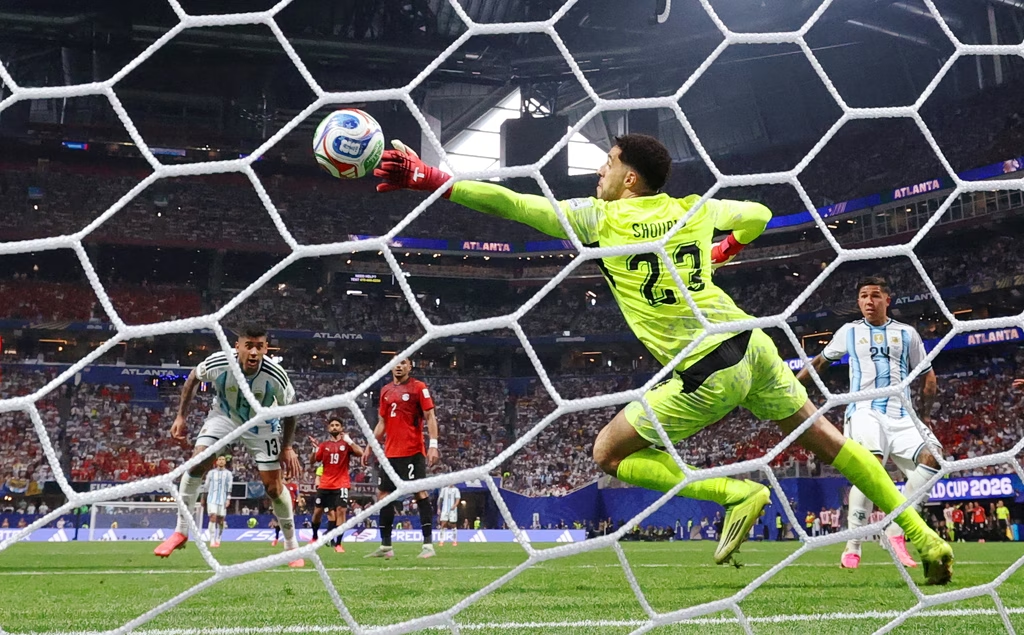
As the World Cup approaches its climax, football fans globally have been treated to a high number of goals and considerable excitement, embodying the essence of the sport. Across 96 of the 104 matches played so far, excluding the recent France vs. Morocco game, spectators have witnessed a significant goal tally. This abundance of scoring has contributed to the overall spectacle and enjoyment of the tournament. The tournament's progression indicates a trend of engaging and high-octane football. Fans have consistently seen attacking play leading to numerous goals. The current statistics suggest a World Cup that has delivered on entertainment value through prolific scoring. The remaining matches are anticipated to continue this trend of exciting gameplay. The high goal count is a key factor in the tournament's success in captivating audiences worldwide. This World Cup has been characterized by its offensive prowess and the resulting goal-scoring opportunities.
The high number of goals observed in the World Cup suggests a potential shift in tactical approaches across participating teams, possibly favoring offensive strategies or indicating a reduction in defensive solidity compared to previous tournaments. This trend, while enhancing spectator entertainment, may also reflect evolving player athleticism and the impact of modern training methodologies. From a long-term perspective, sustained high-scoring matches could influence future player development and coaching philosophies, potentially prioritizing attacking skill sets. It also raises questions about the balance between defensive organization and offensive expression in elite football, a dynamic that will likely continue to be debated and refined in the coming years as the sport adapts to new technological and performance advancements.
AI-generated to prompt reflection — not editorial opinion, not advice, not a statement of fact. How this works.