High-speed rail struggles to overcome its worst crisis
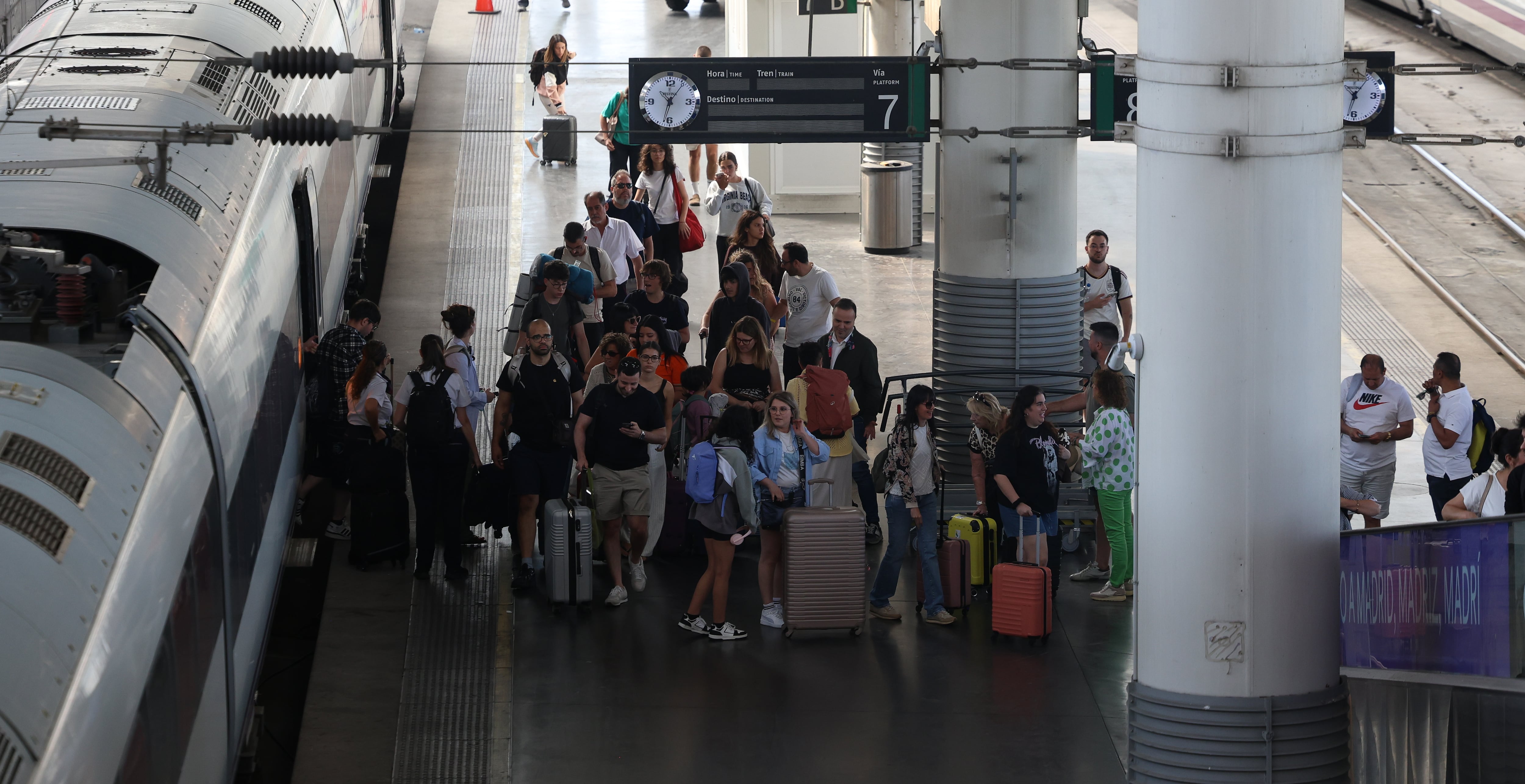
The high-speed rail sector, particularly the Madrid-Barcelona route, is still grappling with the severe repercussions of a recent incident in Adamuz. This event continues to significantly impact major operators including Renfe, Iryo, and Ouigo. The ongoing crisis is partly attributed to the current state of the infrastructure, which is causing longer travel times for passengers. The incident has exposed vulnerabilities within the network, leading to operational challenges and a decline in service efficiency. All three companies are facing increased scrutiny and pressure to address the underlying issues. The prolonged impact suggests that a swift resolution is proving difficult, highlighting the complex interplay between operational safety, infrastructure maintenance, and service reliability in the high-speed rail industry. The situation demands comprehensive solutions to restore confidence and ensure the long-term stability of these critical transport links.
The Adamuz incident has exposed systemic vulnerabilities within Spain's high-speed rail network, affecting major operators like Renfe, Iryo, and Ouigo. The prolonged disruption on the crucial Madrid-Barcelona corridor underscores the critical need for robust infrastructure investment and stringent safety protocols. In the context of an increasingly interconnected world reliant on efficient transport, such incidents pose significant economic and social risks. Future resilience will depend on proactive maintenance, advanced monitoring technologies, and collaborative governance among operators to ensure passenger safety and service continuity, thereby safeguarding the sector's long-term viability against unforeseen challenges.
AI-generated to prompt reflection — not editorial opinion, not advice, not a statement of fact. How this works.