High Winds Cause Disruptions Across Rio Grande do Sul, Brazil
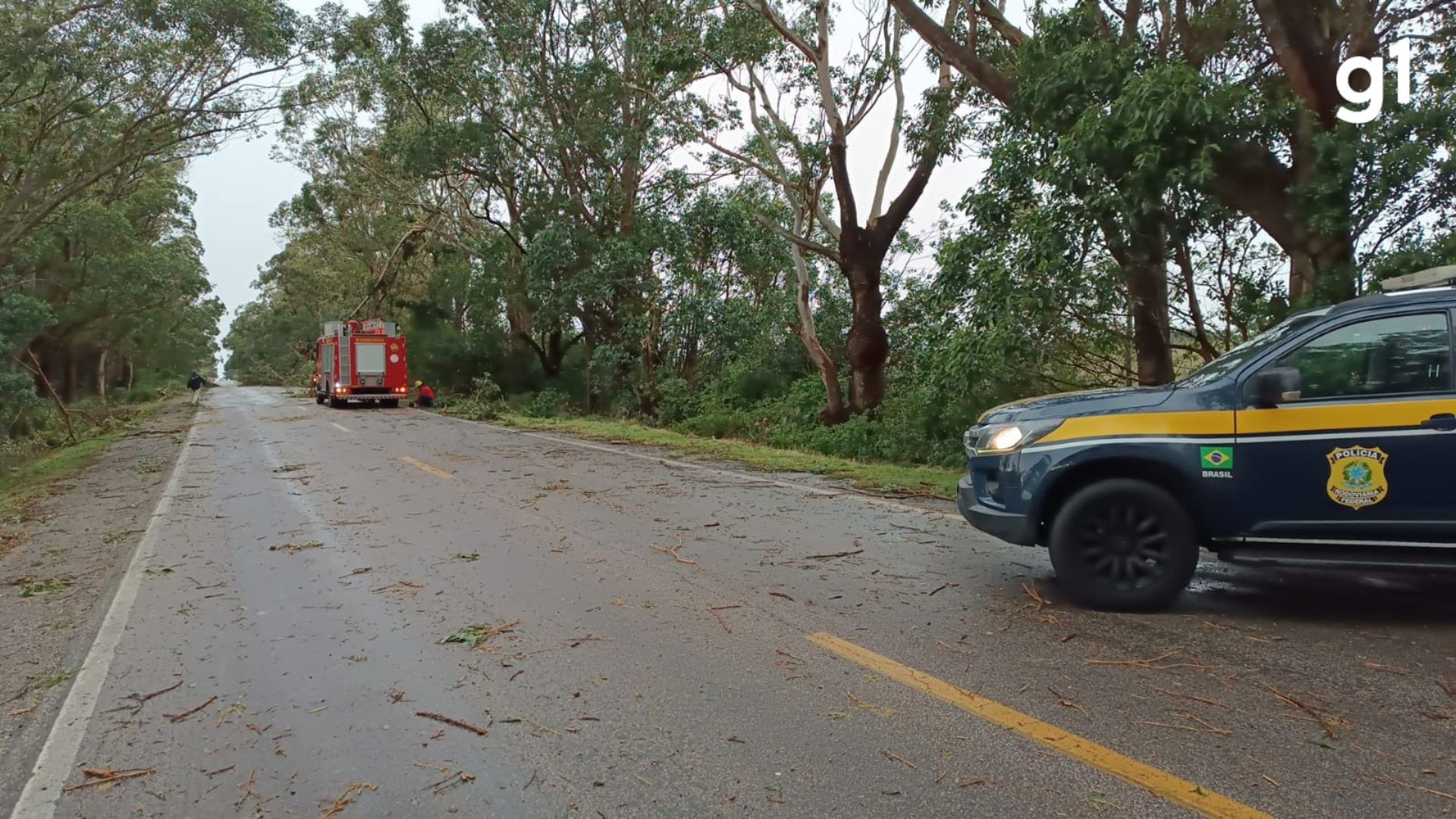
Strong wind gusts, reaching up to 97.9 km/h in Santa Vitória do Palmar, have caused significant disruptions across 16 municipalities in Rio Grande do Sul, Brazil, since Friday, November 17th. The high winds have led to damaged roofs on over 45 homes, with Santa Maria reporting damage to 19 residences, Alegrete to ten, and São Martinho da Serra to six homes and a cultural center. Other structures, including a church and a pharmacy in São Francisco de Assis, and a school in São Pedro do Sul, also sustained roof damage. In São Borja, a residence was damaged, displacing three people, and trees fell on a public street and a home's recreational area. The falling trees and vegetation also caused road blockages, including a partial closure on BR-471 near Rio Grande due to trees falling across the highway. Power outages occurred in Bagé due to fallen trees and poles. The Civil Defense is monitoring the situation, with forecasts predicting severe thunderstorms, hail, microbursts, and a possibility of isolated tornadoes. Wind gusts are expected to range between 70 and 90 km/h, potentially causing further damage to trees and power lines. Heavy rainfall is also anticipated, with volumes potentially exceeding 150 millimeters in southern areas and over 300 millimeters in western and central regions between Saturday and Sunday. The instability is expected to persist into the early week, with wind speeds gradually decreasing.
The severe weather event in Rio Grande do Sul highlights the vulnerability of regional infrastructure to extreme meteorological phenomena. The repeated damage to residential roofs, public roads, and essential services underscores the need for resilient urban planning and building codes that account for increasingly volatile weather patterns. Future investments in infrastructure and disaster preparedness should consider advanced forecasting and early warning systems, particularly in light of climate change projections that suggest a rise in the frequency and intensity of such events. Evaluating the efficacy of current emergency response protocols and resource allocation will be crucial for mitigating future impacts and ensuring community safety and economic stability.
AI-generated to prompt reflection — not editorial opinion, not advice, not a statement of fact. How this works.