High Winds Over 100 km/h Cause Fatalities and Damage in Brazil's Itapetininga Region
Severe wind gusts exceeding 100 km/h swept through the Itapetininga region of São Paulo, Brazil, on Wednesday, October 29th, resulting in deaths, injuries, and widespread damage including fallen trees and roofs being torn off. By Thursday, October 30th, municipal Civil Defense teams were working to clear debris from roadways. Eight cities in the region experienced significant wind speeds following a severe alert from the Civil Defense. The highest recorded wind speed was 124.9 km/h in Itaporanga, with other notable speeds including 104.8 km/h in Itaberá and 113 km/h in Paranapanema.
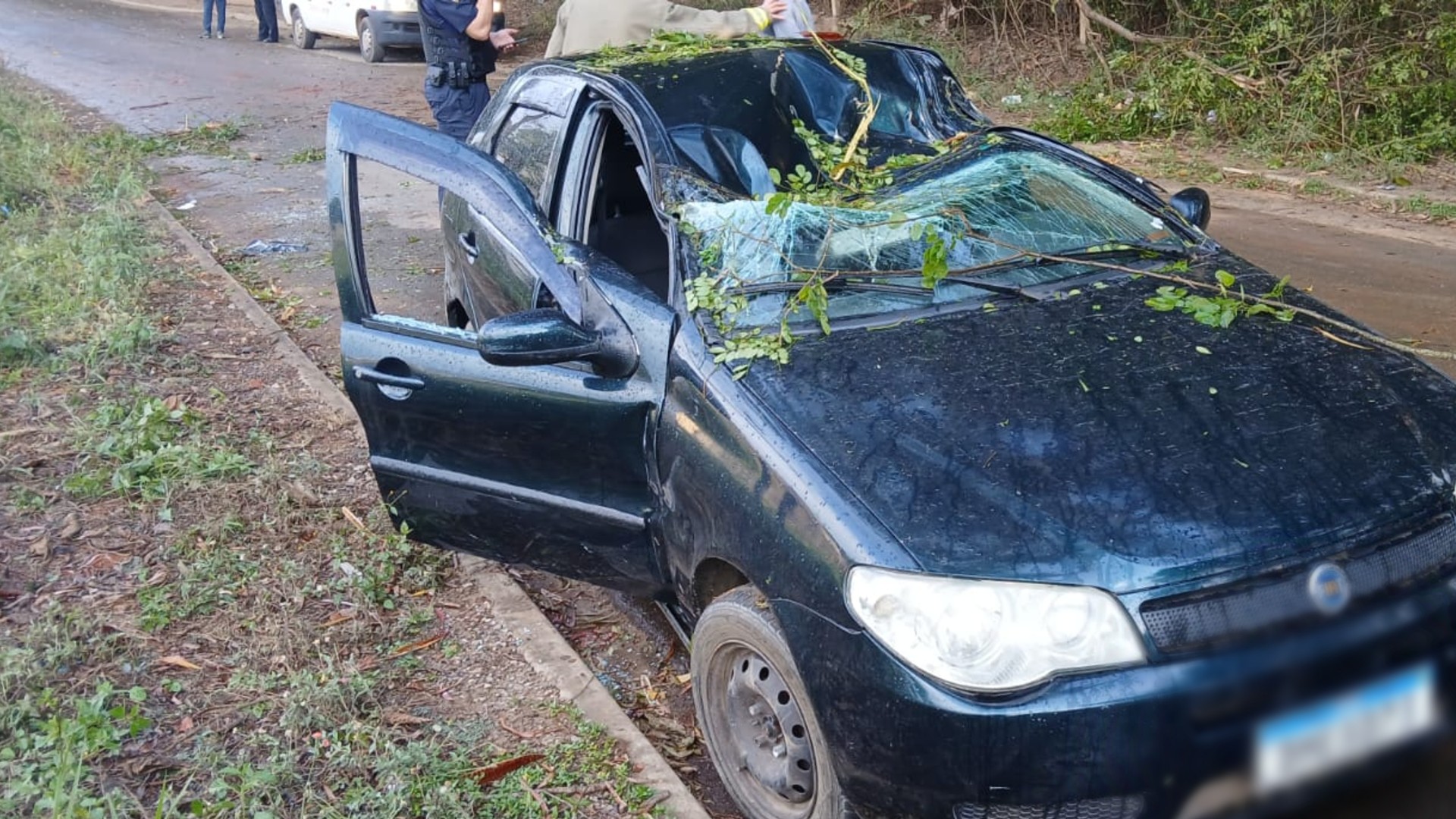
In Cesário Lange, a 62-year-old man, identified as Wilmar Bastos de Souza, died when a large tree fell on his car as he was leaving work. The wind speed in this city reached 62 km/h. Preliminary assessments by the municipal government suggest the tree fell due to severe weather conditions, with no indications of human intervention. In Laranjal Paulista's Maristela district, a large tree fell, injuring an elderly woman and her caregiver; the elderly woman was hospitalized with a fractured knee. A municipal gymnasium in Guareí was also damaged and had to be closed due to roof damage from winds recorded at 50 km/h, along with fallen trees in the Vitória do Cerro neighborhood.
The extreme weather event highlights the vulnerability of infrastructure and communities to meteorological phenomena, particularly in areas with mature trees near public spaces and roadways. While the immediate response focuses on recovery and clearing, a longer-term perspective is warranted. Evaluating urban planning and tree management strategies in light of increasing climate volatility is crucial. This includes assessing the risk posed by large trees in proximity to populated areas and transportation routes, and developing proactive maintenance and removal protocols. Furthermore, understanding the correlation between such events and broader climate patterns could inform more resilient infrastructure development and public safety measures for the future.
AI-generated to prompt reflection — not editorial opinion, not advice, not a statement of fact. How this works.