Higher education policy fails arts students, critics say
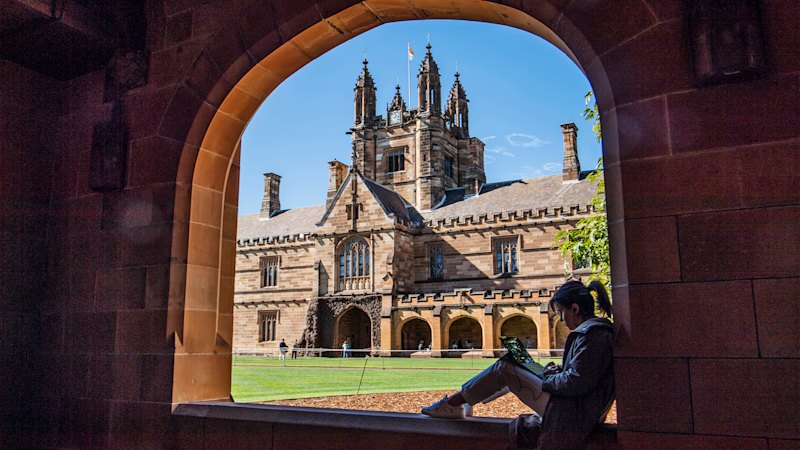
Critics argue that the current Labor government's failure to dismantle the "Job-ready Graduate" scheme is making university degrees unaffordable for many deserving students, particularly those pursuing arts degrees. This policy, which was introduced by the previous government, has been blamed for increasing the cost of higher education. The scheme has been a point of contention, with opponents suggesting it disproportionately affects students in fields deemed less directly aligned with immediate job market demands. Despite the government's stated intentions, the policy's continuation is seen by some as a significant barrier to access for aspiring students. The dilemma highlights a broader debate about the value and accessibility of arts education within the current economic and political climate. Many believe that a well-educated ministry should be able to address this issue effectively. The concern is that without intervention, a generation of potential artists and thinkers may be priced out of higher education.
The continuation of the "Job-ready Graduate" scheme suggests a potential tension between immediate economic priorities and broader educational access. While the policy may aim to steer students towards perceived high-demand fields, its impact on arts and humanities disciplines raises questions about the long-term societal and cultural benefits of a diverse graduate pool. Future policy decisions may need to balance workforce needs with the intrinsic value of a liberal arts education. This approach could foster a more adaptable and critically thinking populace, even if direct employment outcomes are less immediately quantifiable. Examining the incentive structures within higher education funding is crucial for ensuring equitable access and supporting a wide range of academic pursuits.
AI-generated to prompt reflection — not editorial opinion, not advice, not a statement of fact. How this works.