Higher Mortgage Rates Slowing Dutch House Price Growth, ABN Amro Predicts
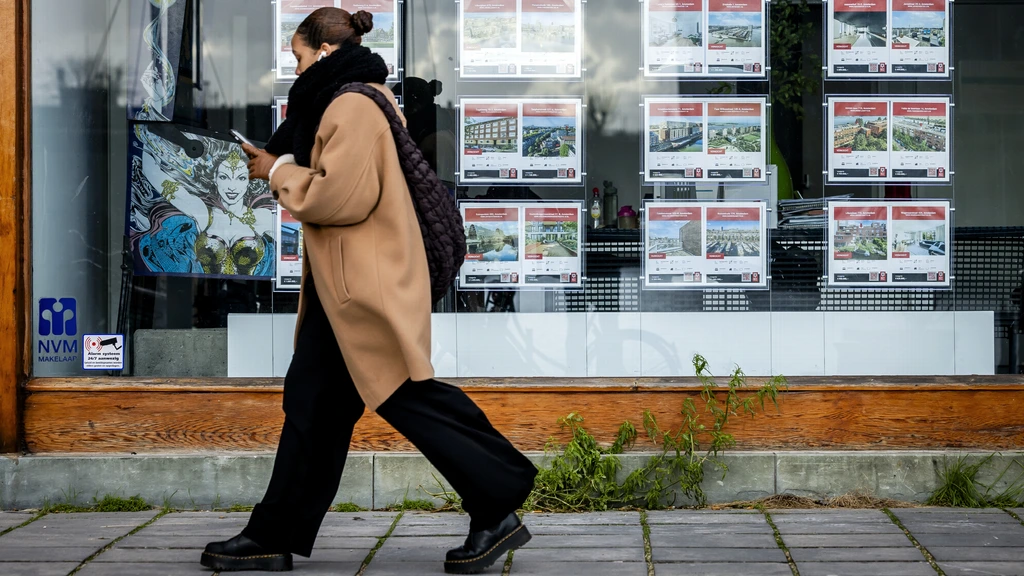
ABN Amro forecasts that Dutch house prices will rise by only 3 percent this year, a significant slowdown attributed primarily to increased mortgage interest rates. The bank anticipates a 4 percent price increase for the following year. Since 2022, borrowing money has become progressively more expensive, causing potential buyers to frequently approach the maximum loan amounts they can secure. Despite these challenges, the persistent shortage of new housing construction continues to fuel demand, keeping property prices elevated as many individuals still seek suitable homes. Hypotheker, a mortgage advisor, observes a general decrease in mortgage applications across the board compared to last year. However, a notable exception is buyers under 25, who have nearly doubled their mortgage applications in early 2024 compared to the previous year. This surge is partly explained by financial assistance from affluent parents. Homeowners are also showing less enthusiasm for borrowing for renovations or energy efficiency upgrades, with applications for home improvement mortgages down 13 percent at the start of this year. The average mortgage amount currently stands at 365,850 euros, a modest 1 percent increase year-over-year. Mortgage amounts saw the largest rises in Utrecht (+9 percent) and Drenthe (+6 percent), while borrowers in Groningen, Overijssel, Zeeland, and South Holland are borrowing less for new homes.
The Dutch housing market is experiencing a cooling effect due to rising mortgage rates, which are constraining buyer affordability and slowing price appreciation. While supply shortages continue to provide a floor for prices, the increasing cost of borrowing is a critical factor influencing market dynamics. The notable increase in mortgage applications among young buyers, supported by parental financial aid, highlights intergenerational wealth transfer as a significant, albeit potentially unsustainable, mechanism for market participation. The reduced appetite for renovation and sustainability mortgages suggests a broader caution among homeowners regarding long-term financial commitments in an uncertain economic climate. Future market trajectories will likely depend on the interplay between interest rate policies, housing supply initiatives, and evolving economic conditions that impact household borrowing capacity and confidence.
AI-generated to prompt reflection — not editorial opinion, not advice, not a statement of fact. How this works.