Highly Educated Youth Compete for Peon Jobs in Bangladesh
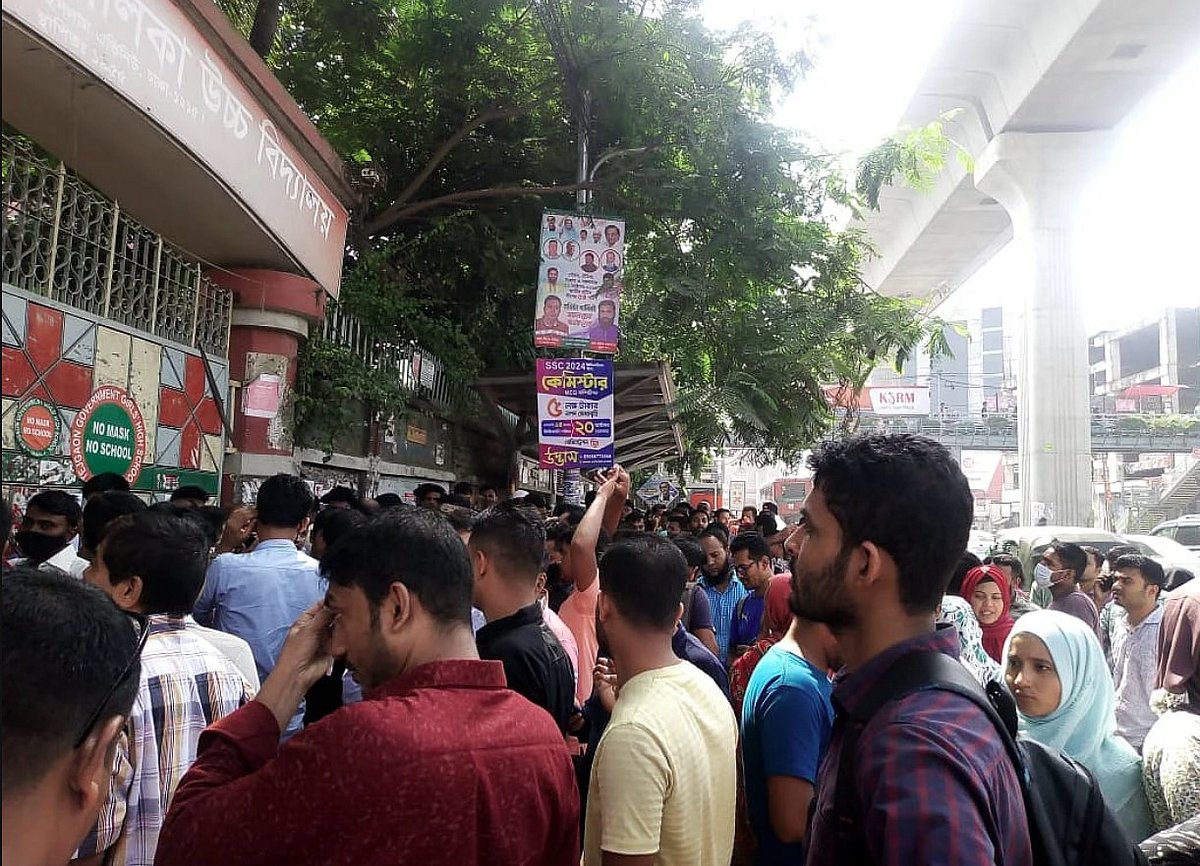
Highly educated young individuals in Bangladesh are increasingly finding themselves in a desperate struggle for low-skilled positions, such as that of a peon. This competition highlights a severe mismatch between the educational output and the available employment opportunities in the country. The situation has become so acute that graduates are willing to take up jobs far below their qualifications. This trend suggests a significant crisis in the job market, where even entry-level, non-specialized roles are highly sought after. The desperation underscores the lack of adequate higher-paying or skilled positions that can absorb the large number of graduates entering the workforce annually. This phenomenon points to systemic issues within the education and employment sectors, necessitating a re-evaluation of both curriculum relevance and economic growth strategies.
The intense competition for low-skilled government positions among highly educated youth in Bangladesh signals a critical imbalance in the nation's socio-economic structure. This situation reflects a potential oversupply of graduates in fields not aligned with market demands, coupled with insufficient creation of higher-skilled employment opportunities. The struggle for a peon's job by individuals with advanced degrees suggests that the perceived stability and benefits of government employment, even at the lowest rungs, are highly valued. This dynamic may incentivize further pursuit of degrees without clear career pathways, exacerbating the problem. Future policy considerations should focus on aligning educational outputs with industry needs and fostering economic growth that generates diverse, skilled employment to prevent such widespread underemployment.
AI-generated to prompt reflection — not editorial opinion, not advice, not a statement of fact. How this works.