Highway Concessionaire Launches 100-Day Plan for BR-116 and BR-251 Road Repairs
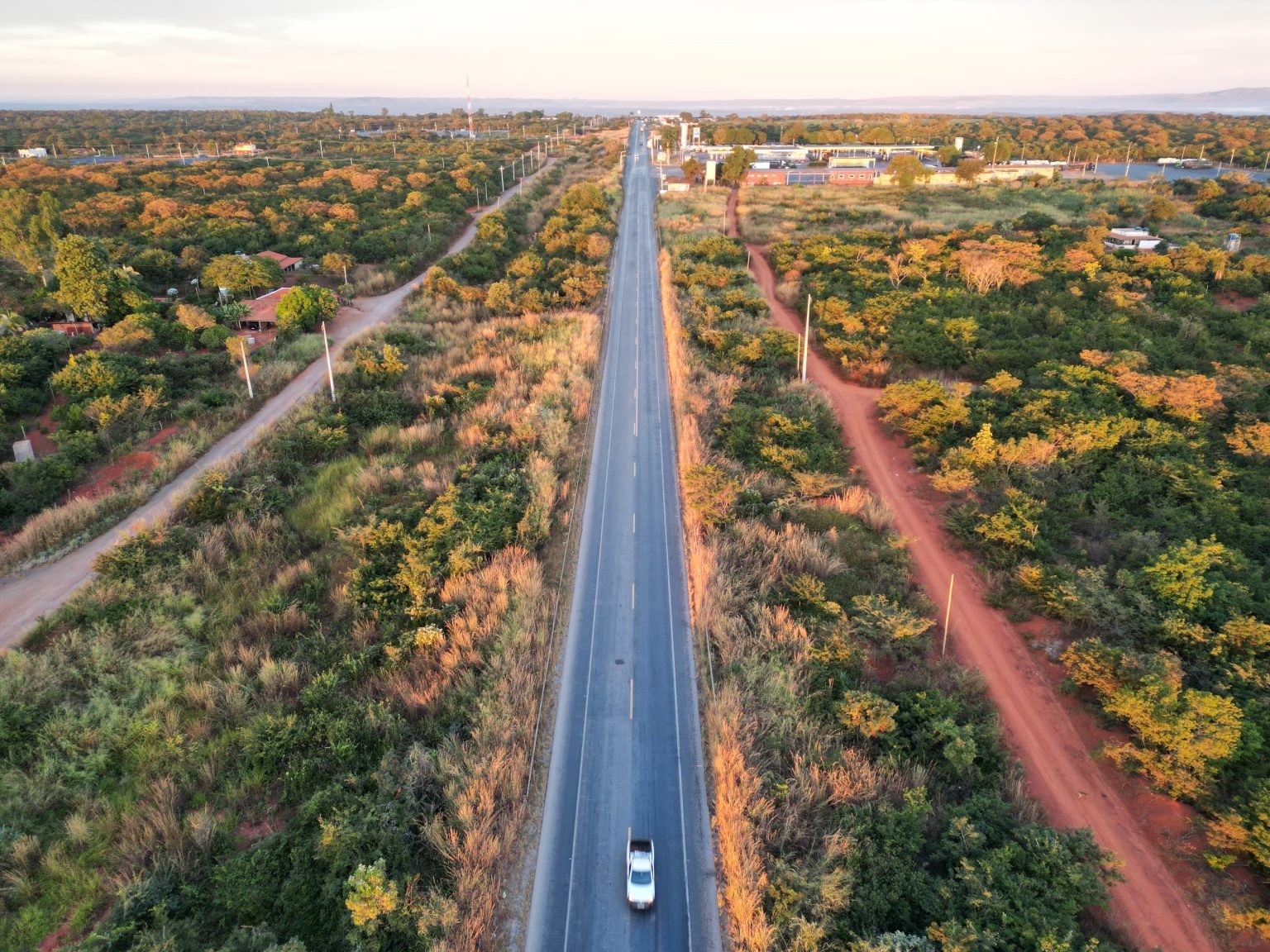
Ecovias das Gerais, the concessionaire awarded the bid for managing sections of highways BR-116 and BR-251, has initiated its "100-Day Plan." This emergency program, launched on Friday, March 3rd, aims to enhance road safety by focusing on immediate repairs to pavement and signage. The company will prioritize areas with a history of accidents, particularly curves and descents, to improve conditions on this vital national corridor. The plan includes essential maintenance like vegetation clearing, improving visibility, reinforcing road markings, and replacing damaged signs and reflective markers. Additionally, it will implement rapid safety solutions in critical segments, such as barrier and guardrail corrections. The initiative was presented at a ceremony attended by the Minister of Transport, George Santoro, and representatives from the National Land Transport Agency (ANTT), Federal Highway Police, and other government bodies. The concession covers 734.9 kilometers across 26 municipalities, with a R$13 billion investment over 30 years, 70% of which will be spent in the first decade. Planned works include 187 km of road duplications, 160 km of additional lanes, a 17 km bypass around Teófilo Otoni, 21 pedestrian overpasses, 11 km of service roads, 101 new intersections, and 2 truck rest stops. User services, including 14 ambulances, 10 tow trucks, and 17 inspection vehicles, will begin operating in November. Toll collection, using a free-flow system, is expected to commence in mid-December, following verification of contract compliance by ANTT and an independent auditor. The contract also outlines discounts for electronic payments and frequent users, and toll exemptions for motorcycles, with a tariff model designed to minimize impact on light vehicles.
The launch of the "100-Day Plan" by Ecovias das Gerais signifies a critical phase in the public-private partnership for the BR-116 and BR-251 highways. The immediate focus on emergency repairs and safety enhancements addresses pressing concerns for road users, particularly given the high volume of heavy-duty, long-distance traffic. The substantial R$13 billion investment over 30 years, with a significant portion allocated to the initial decade, signals a commitment to long-term infrastructure development. However, the success of this concession will hinge on the effective execution of these plans and transparent oversight by regulatory bodies like ANTT. The transition to a free-flow toll system, coupled with various discount structures, aims to balance revenue generation with user affordability. Future challenges may involve managing the pace of major construction projects, adapting to evolving traffic patterns, and ensuring that the promised economic development benefits are equitably distributed across the affected regions.
AI-generated to prompt reflection — not editorial opinion, not advice, not a statement of fact. How this works.