Hijacked Plane Crashes into Indian Ocean, Killing 126
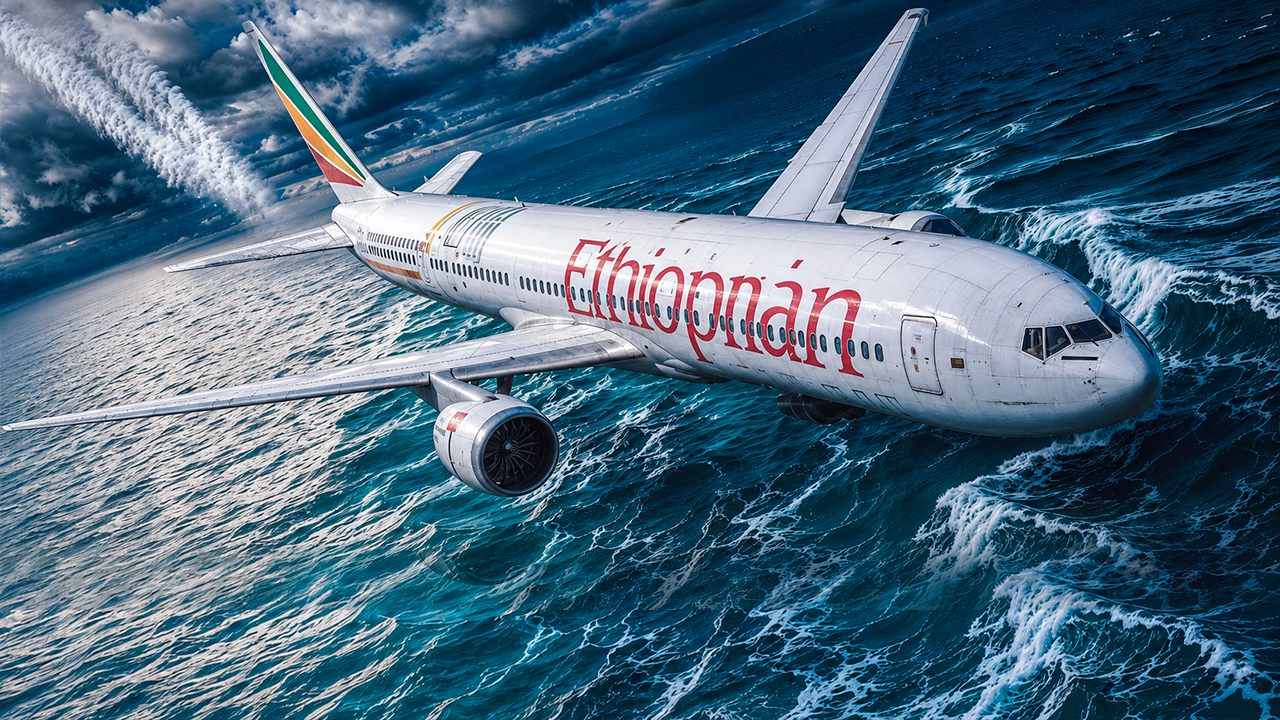
In 1996, a Boeing-767 en route from Ethiopia to Côte d'Ivoire was forced to crash-land in the Indian Ocean near the Comoros Islands due to running out of fuel. The tragic incident resulted in the deaths of over 100 people. The aircraft was on a flight path towards West Africa when it ultimately fell into the ocean. The exact circumstances leading to the fuel depletion and the subsequent crash are central to understanding this disaster. This event highlights the critical importance of flight planning, fuel management, and security protocols in aviation. The loss of 126 lives underscores the severe consequences of failures in these areas. Investigations into the incident likely focused on the reasons for the fuel shortage and the aircraft's deviation from its intended course. The crash near the Comoros Islands remains a somber reminder of the potential dangers in air travel.
The 1996 crash of a Boeing-767 near the Comoros Islands, resulting in the loss of 126 lives, serves as a critical case study in aviation safety and security. The stated cause of fuel exhaustion, leading to a forced landing in the Indian Ocean, points to potential systemic failures in flight management and operational oversight. This incident predates widespread adoption of advanced monitoring technologies, emphasizing the reliance on human judgment and established protocols. The event underscores the imperative for robust fuel planning, real-time monitoring of fuel levels, and stringent adherence to flight paths. Furthermore, the mention of a potential hijacking scenario, though not explicitly detailed in the provided text, raises questions about security vulnerabilities at the time and the procedures for handling such emergencies. Examining this event through a contemporary lens highlights the evolution of aviation security measures and the continuous need for vigilance against evolving threats, ensuring that lessons learned from such tragedies inform future safety standards and prevent recurrence.
AI-generated to prompt reflection — not editorial opinion, not advice, not a statement of fact. How this works.